
24/7 全天候客户支持

免费退货

当日/次日达

品质保障

开启新人专享福利: 全场免邮 | 低至 2 折 | 免费试用 30 天 JoyPlus 会员
下载 Joybuy
Managing blood sugar is a daily reality for many in the UK. A reliable home blood glucose monitor is an essential tool, but navigating the market can be confusing. With so many models available, it's easy to fall into common purchasing traps that lead to frustration and wasted money. As a Joybuy Product Recommendation Officer, my role is to help you sidestep the marketing clutter and focus on what truly matters for accurate and comfortable daily monitoring.
This guide will break down the key considerations for selecting a blood glucose monitor, helping you find a device that fits your needs and budget without any hidden surprises.
Before looking at features, it's crucial to be aware of a few frequent pitfalls. Understanding these can save you significant expense and hassle in the long run.
diabetes testing kit can be deceptive. Many affordable monitors lock you into using proprietary blood glucose test strips and lancets that are expensive to replace. The real cost of ownership is the monitor's price plus the ongoing expense of these essential supplies. Always check the price and availability of refills before committing to a device.glucometer that directly measures a blood sample is the required standard. Relying on non-medical devices for treatment decisions can be misleading.home blood sugar test process and reduces the risk of user error.To make an informed choice, focus on these non-negotiable specifications. They determine the device's reliability, comfort and long-term usability.
In the UK and Europe, personal-use blood glucose monitors should ideally meet the ISO 15197:2015 standard. This is an international benchmark for accuracy and performance. Devices that are certified to this standard have undergone specific evaluations to ensure their readings are within an acceptable range of laboratory results. While no home device can be 100% perfect, choosing one that adheres to this standard provides a strong baseline of confidence in your daily readings.
For those who test frequently, comfort is key. Two factors greatly influence the testing experience:
blood sugar monitor makes the process quicker and more convenient, which is a significant benefit for daily management.As mentioned in the pitfalls, the relationship between a glucometer and its consumables is critical. Test strips are not interchangeable between different brands or even different models from the same brand. Before purchasing a monitor, confirm that its specific blood glucose test strips and lancets are readily available and fit within your budget.
To help you find a suitable match, here are several options aligned with different user needs and priorities.
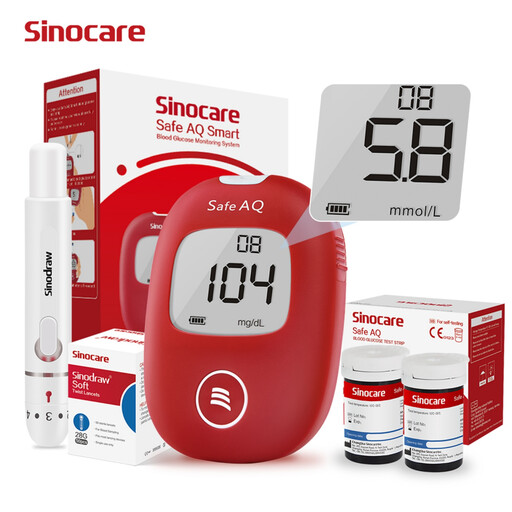
Why This Fits Their Persona: This all-in-one kit is ideal for individuals who are newly diagnosed or need a no-fuss, complete setup. It includes the monitor, 50 test strips and 50 lancets, providing everything required to begin monitoring immediately without needing to make separate purchases.
It directly counters the "hidden costs" pitfall by providing a generous starter supply of consumables. The 'no-coding' feature also eliminates the risk of operational errors, making it very beginner-friendly.
Complete starter kit with 50 tests included. Fast 5-second results and a small 0.6 μL blood sample requirement.
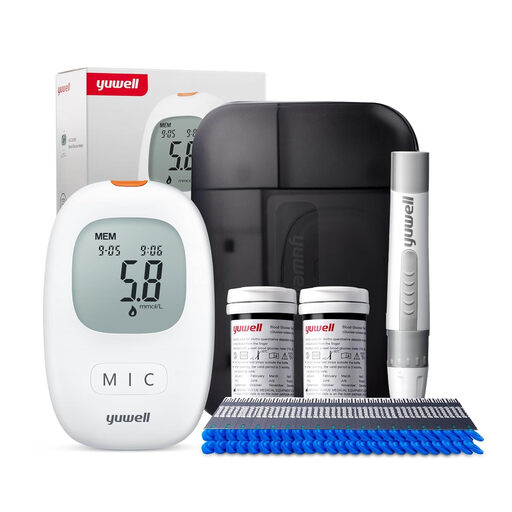
Why This Fits Their Persona: For those who test multiple times a day, comfort is paramount. This kit's lancing device features 5 intensity settings, allowing users to adjust the puncture depth to suit their skin type and minimise discomfort. This is a significant quality-of-life feature for long-term management.
It addresses a "hidden" usability issue: the pain of frequent testing. By focusing on a more comfortable lancing experience, it provides value beyond just the monitor itself. It is also certified to ISO 15197:2015 standards.
Adjustable lancing device with 5 depth settings for user comfort. Stores up to 250 readings with date and time for easy tracking.
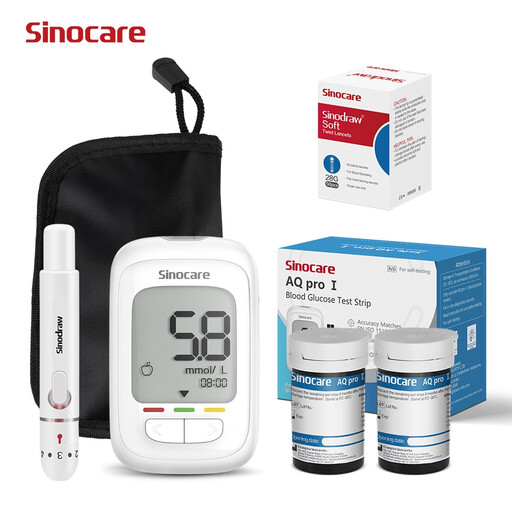
Why This Fits Their Persona: This monitor is suited for users who want more than just a number. The colour-coded indicators (red, green, yellow) provide an immediate visual cue about the reading, while its wider hematocrit range (10%-70%) is designed to improve accuracy for a broader range of individuals.
It avoids the trap of oversimplification by providing useful, context-rich features. Instead of just a number, the colour-coding helps users interpret their results instantly, and the technical specification of a wider hematocrit range points to a focus on accuracy.
Colour-coded result indicators for at-a-glance understanding. A wide hematocrit compatibility (10%-70%) enhances accuracy across different users.

Why This Fits Their Persona: This is not a monitor, but a refill pack for the Sinocare Safe AQ Smart monitor. It's for the user who has already chosen their device and wants to proactively manage their supplies. Buying consumables in packs of 50 is a practical way to ensure you don't run out unexpectedly.
This directly tackles the "hidden cost of consumables" trap head-on. By planning ahead and purchasing dedicated refill packs, users can better manage their long-term budget and ensure they are always using the correct, compatible strips for their device.
Ensures perfect compatibility with the Sinocare Safe AQ Smart monitor. A cost-effective way to stock up on essential supplies.
We have compiled a complete, real-time list of products that fully satisfy these strict selection criteria and UK safety regulations.
No. This is a critical safety and accuracy point. Blood glucose test strips are designed to work only with a specific make and model of monitor. Using incompatible strips will fail to produce a reading or, more dangerously, provide a highly inaccurate one. Always purchase the exact strips specified for your device, such as the Sinocare 50 Blood Glucose Test Strips for the Safe AQ Smart monitor.
As of 2026, consumer smartwatches are not approved medical devices for diagnosing or managing diabetes. Some models may offer non-invasive estimations for wellness tracking, but their product warnings explicitly state: "Data is for reference only and should not replace professional medical advice." For treatment decisions, you must use a dedicated blood glucose monitor that analyses a physical blood sample.
This depends on the model and your frequency of use. Many monitors use common batteries, like CR2032 coin cells or AAA batteries. A single set of batteries can typically last for several hundred to a thousand tests. It is always a good idea to keep a spare set of batteries, such as Ochama AAA Batteries, on hand to avoid being caught out when you need to perform a test.