
24/7 全天候客户支持

免费退货

当日/次日达

品质保障

开启新人专享福利: 全场免邮 | 低至 2 折 | 免费试用 30 天 JoyPlus 会员
下载 Joybuy
Buying blood glucose test strips should be straightforward, but compatibility, storage and pack contents can make a significant difference to everyday home testing. A low-priced box is not necessarily economical if the strips do not work with your meter, expire before use or require additional supplies.
This guide explains the key details to check before buying diabetes test strips, blood sugar test strips or a complete blood sugar monitoring kit in the UK.
Blood glucose meters generally accept only designated strips. Even products that look similar may use different connectors, calibration systems or sample ports. For example, the AILE strips listed here are specified for AILE A608, A601, A606, A616 and W33 meters. Yuwell strips are described as suitable for the same brand and designated model, rather than universal use.
Always match:
If you are unsure, check the packaging or contact the seller before ordering. Buying a large pack of incompatible strips creates unnecessary waste and expense.
Many current glucose meter strips list a result in around five seconds, while other systems may take longer. Speed can be useful when testing before meals, after meals or while travelling, but it should not be the only selection factor.
A fast result still depends on using the strip correctly, applying enough blood and storing the strips according to the instructions. Look for practical features such as automatic sample uptake, a clearly marked application area and a blood volume requirement that you can comfortably provide.
Moisture, heat and an incorrectly closed vial can affect strip condition. Some products must be used within a specified period after opening. One Sinocare Safe Accu2 listing states that the strips should be used within three months after opening, while Sinocare Safe AQ Smart strips state six months.
Before purchasing, consider how frequently you test. A 50-strip pack may offer better value for regular users, but a smaller supply may be more suitable if testing is occasional. Keep strips in their original container, close the lid promptly and check the expiry information before use.
The most important specification is not the enzyme type or the number of strips in the box: it is whether the product is designed for your meter. Look for terms such as compatible glucometer test strips, “for Model 710 only” or “for Safe AQ Pro I monitor”.
A complete kit can be more convenient for a new user, but replacement strips are usually the more sensible choice when you already own the correct meter.
Blood volume is often listed in microlitres, such as 0.6 μL, 0.8 μL or 1 μL. A smaller stated sample requirement may make the process easier for some users, but correct hand preparation and application remain essential.
Several products use capillary or siphon-style sample uptake, drawing blood into the reaction area when the edge touches the sample. This can simplify testing, particularly for older adults, carers or people who find precise placement difficult.
Wash and dry your hands before testing, follow the meter instructions and do not rely on a result that appears inconsistent with how you feel. Follow your healthcare professional’s advice about when to retest or seek help.
No-code glucose test strips remove the need for manual code entry, which may reduce one operating step. Other systems use automatic coding when the strip is inserted. Confirm that the meter displays mmol/L if that is your preferred or prescribed unit.
Also compare what is included:
Some listings provide strips only, while others combine glucose test strips with lancets to create a more complete set of diabetes testing supplies.
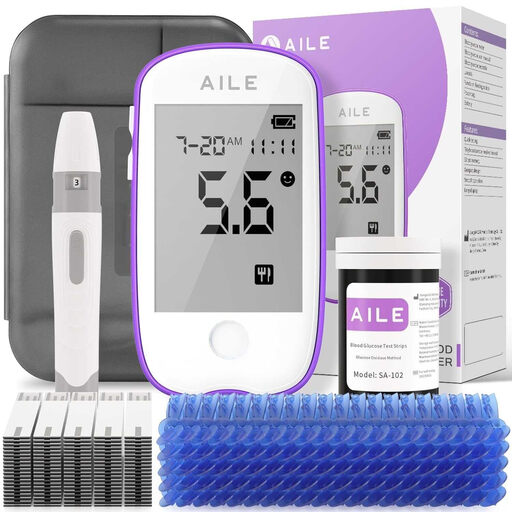
Why This Fits Their Persona: A practical starting point for someone who needs a meter, strips and lancets together for home blood glucose testing.
The set makes the included components clear and uses a no-code design, avoiding separate purchases and manual code entry.
Includes 50 strips, 50 lancets, a lancing device and storage box; the listing states a five-second result time and selectable mmol/L or mg/dL display.
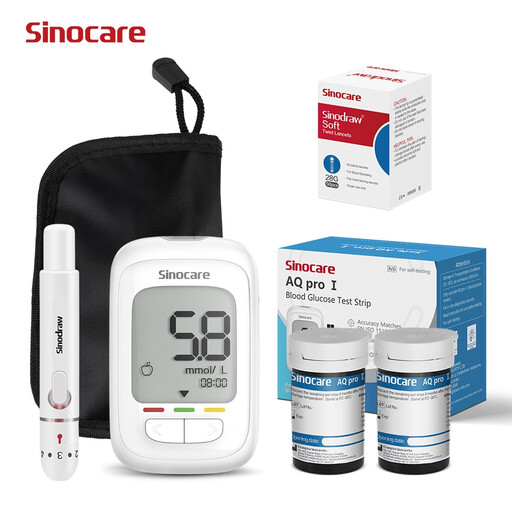
Why This Fits Their Persona: Suitable for users who want a bundled mmol/L monitoring system with a larger supply for routine testing.
The listing clearly identifies the designated Safe AQ Pro I monitor, helping prevent the compatibility mistake associated with generic-looking strips.
The pack contains 50 strips, 50 lancets, a lancing device and carrying bag; the listed test time is five seconds with automatic coding.
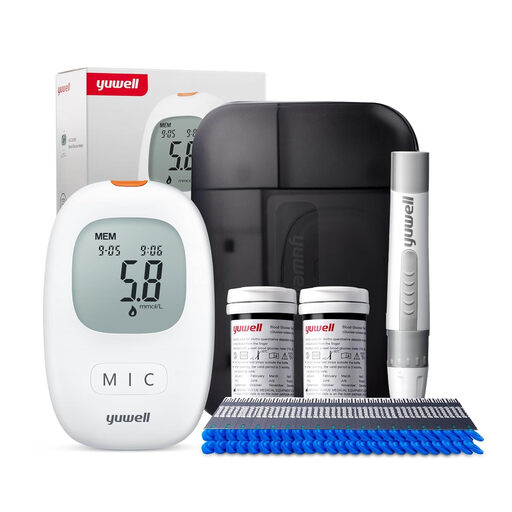
Why This Fits Their Persona: A useful option for frequent testers, carers or households that value stored readings and a compact kit for home or travel.
The product information states that the meter accepts designated strips only, making the model restriction visible before purchase.
Includes 50 strips, 50 lancets, a lancing device, battery and case; the meter stores up to 250 readings and provides multi-day averages.
We have compiled a complete, real-time list of products that fully satisfy these strict selection criteria and UK safety regulations.
No. Use only the strips specified for your exact meter model. Different brands and models are not generally interchangeable. Check the product listing, packaging and user manual before ordering.
The period varies by product. Some listings specify three months and others six months after opening. Follow the instructions supplied with your particular strips, keep the container tightly closed and do not use strips beyond the stated expiry or opening period.
The ongoing cost depends on testing frequency, pack size and whether lancets are included. Compare the number of strips with your usual monthly use, then check whether the product is a strips-only pack or a complete set. A larger pack may be practical for regular testing, provided it can be used before its opening deadline.
For in vitro diagnostic use only, where stated. Test results are for reference and personal monitoring; they do not replace medical advice. Follow your healthcare professional’s instructions for interpreting readings and managing your condition.