
24/7 Customer Support

Free returns

Same-day & Next-day Delivery

Quality Guaranteed

Unlock Your Welcome Offers: FREE Delivery | Up to 80% OFF | Free 30-day JoyPlus trial
Download the APP
Blood orange gin offers a lively alternative to traditional juniper-led spirits, combining citrus aroma with the botanical character expected from gin. It can work in a simple gin and tonic, a longer highball or more involved gin cocktails, but choosing the right bottle requires more than comparing labels and bottle designs.
For UK shoppers, the main buying pitfalls are often hidden in the details:
Blood orange gin generally sits within the wider orange gin and fruit gin category, but bottles can taste quite different. Look for descriptions indicating whether the profile is:
A citrus gin with a strong sugar content may taste softer, while a drier expression can allow juniper and coriander to remain prominent. Product descriptions are useful guides, but they should not be treated as identical to tasting notes from every drinker.
Check both the alcohol percentage and the stated UK units. For example, a 70cl bottle at 41.3% ABV contains approximately 28.9 UK units, according to the supplied product information. A 70cl bottle at 37.5% ABV contains approximately 26.3 units.
These figures matter when planning a gathering or comparing a single bottle with a pack of 2 gin. A standard 25ml measure of spirits is around one unit, although the exact figure depends on the ABV. Measuring servings with a spirit measure helps maintain consistency.
The UK Chief Medical Officers advise adults not to regularly exceed 14 units per week. Alcohol is for adults aged 18 and over; do not drink during pregnancy, and never drink and drive.
A 70cl gin is a practical size for home bars, casual entertaining and gifting. A single bottle is easier to trial, while a twin pack can be suitable for:
Also check whether the product listing refers to one 70cl bottle or a pack of two 70cl bottles. This distinction affects the total volume, price per bottle and storage space required.
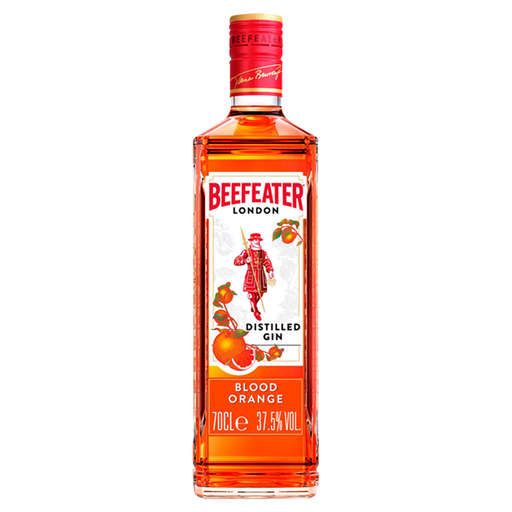
Why This Fits Their Persona: A single 70cl bottle offers an accessible way to try blood orange gin without committing to a twin pack. Its London dry gin base makes it familiar for shoppers who already enjoy juniper-led serves.
The listing clearly states 37.5% ABV and identifies the product as a 70cl bottle, making comparison with stronger expressions more straightforward.
London production; 37.5% ABV; suitable for a blood orange G&T, highball or mixed drink.
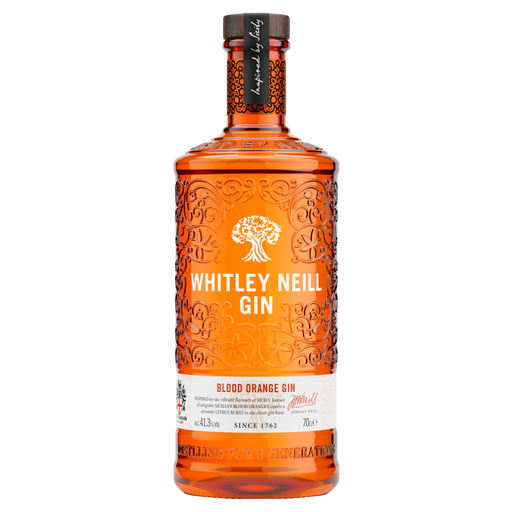
Why This Fits Their Persona: This English gin suits shoppers seeking a stronger, citrus-led bottle for neat pours, a refined gin and tonic or cocktail making at home.
The product information specifies natural blood orange flavourings, a grain neutral spirit base and 41.3% ABV, rather than relying only on broad “premium” language.
70cl format; 41.3% ABV; juniper, botanical and zesty citrus notes are described in the listing.
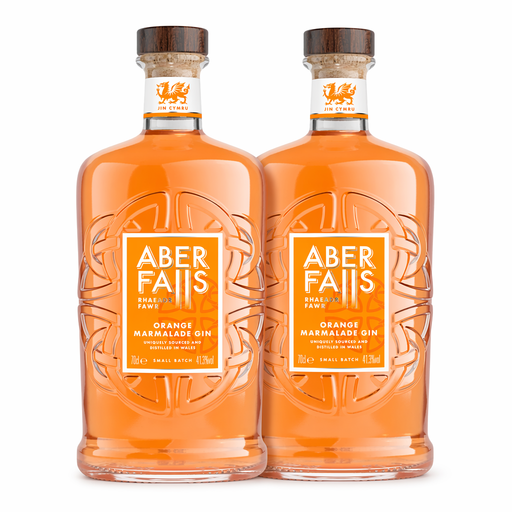
Why This Fits Their Persona: Two 70cl bottles are practical for hosts, regular cocktail makers and shoppers preparing for dinners, celebrations or shared serves.
The twin-pack format is clearly stated, while the listing provides the 41.3% ABV and approximate 28.9 units per bottle for planning servings.
Welsh gin; sweet and bitter orange flavours; warming aftertaste; two 70cl bottles for entertaining or gifting.
We have compiled a complete, real-time list of products that fully satisfy these strict selection criteria and UK safety regulations.
A simple serve helps reveal the flavour without adding unnecessary sweetness:
For cocktails, blood orange gin can work in a spritz with sparkling wine, a citrus highball with soda or a sour-style drink with lemon. A sweeter orange marmalade gin may need less sugary mixer, while a drier expression can take lemonade or a fruit cordial.
Store opened bottles upright in a cool, dry place away from direct sunlight and heat. Gin does not mature in the bottle, so storage is about preserving its flavour rather than improving it. Keep products securely away from children and consume responsibly.
It depends on the recipe. Some bottles emphasise tart, bittersweet citrus and juniper, while others include sweeter orange or marmalade notes. Check the listed flavour profile and ingredients before choosing a mixer.
A neutral or lightly flavoured tonic lets the citrus character remain clear. Mediterranean tonic can complement sweeter bottles, while a dry tonic is a useful match for juniper-led London dry or English gin.
It can be useful for hosts or households that regularly serve gin cocktails, but check the total bottle size, ABV, units and packaging before purchasing. For an individual gift, one well-presented 70cl bottle may be easier to store and transport.