
24/7 Customer Support

Free returns

Same-day & Next-day Delivery

Quality Guaranteed

Unlock Your Welcome Offers: FREE Delivery | Up to 80% OFF | Free 30-day JoyPlus trial
Download the APP
Buying Bluetooth earbuds and headphones can look straightforward until you compare battery figures, fit styles, water-resistance ratings and noise-control claims. A pair that suits a daily train commute may be uncomfortable for a video call, while sports earbuds designed to resist sweat may not provide the isolation needed for office work.
This guide explains the specifications that matter, highlights common buying traps and matches several options to distinct listening habits.
“Up to” playback figures are usually measured under specific conditions, such as moderate volume with noise cancellation switched off. Noise-cancelling earbuds generally use more power when ANC is active and phone calls may reduce runtime further.
For true wireless earbuds, check both figures:
Over-ear models can offer longer continuous playback because they have larger internal batteries. However, their size may be less convenient for a coat pocket or small bag.
Water-resistance ratings have specific limits. An IPX4 rating generally indicates resistance to splashes and sweat, while IPX5 is intended for water projected by a nozzle. An IP55 rating adds dust protection and IP67 or IP57 products may tolerate temporary immersion under stated test conditions.
These ratings do not automatically protect the charging case. Always dry earbuds before placing them in the case or connecting a USB-C cable. Products without a stated IP rating should be kept away from rain, heavy perspiration and damp gym bags.
A large driver or Hi-Res compatibility does not guarantee that the sound will suit your ears. In-ear headphones depend on a suitable ear-tip seal, while open-ear and bone conduction designs allow more ambient sound but provide less passive isolation.
Also consider the microphone arrangement. A pair of earbuds with microphone may work well in a quiet room but struggle outdoors unless it has multiple microphones and noise-reduction processing.
Choose the construction around your main use:
Compare single-charge runtime rather than relying only on the case total. A quick-charge figure can be useful before a commute, but check how many minutes of playback it provides and whether ANC is enabled.
USB-C headphones and earbuds are convenient if your phone, tablet and laptop already use USB-C cables. Some larger headphones also support wired listening, which can be useful when travelling by plane or conserving battery.
Bluetooth 5.3, 5.4 or later can support stable connections, but real-world performance also depends on the phone, laptop and surrounding wireless traffic. If you move between a work laptop and mobile, look for multipoint or dual-device connection.
For work calls, check the number and position of microphones, call-noise reduction and whether the product is designed for platforms such as Microsoft Teams or Zoom. A microphone boom can place the pickup closer to your mouth than stem-style earbuds.
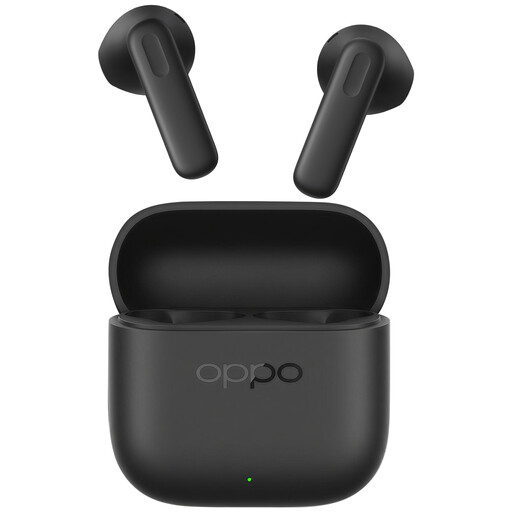
Why This Fits Their Persona: A compact option for listeners who want everyday wireless earbuds for music, calls and commuting without moving to a larger over-ear design.
The specification lists Bluetooth 5.4, touch controls and USB-C charging, so key connection and charging details are clear before purchase.
Dynamic drivers, a 450 mAh charging case and a stated 50 g net weight.
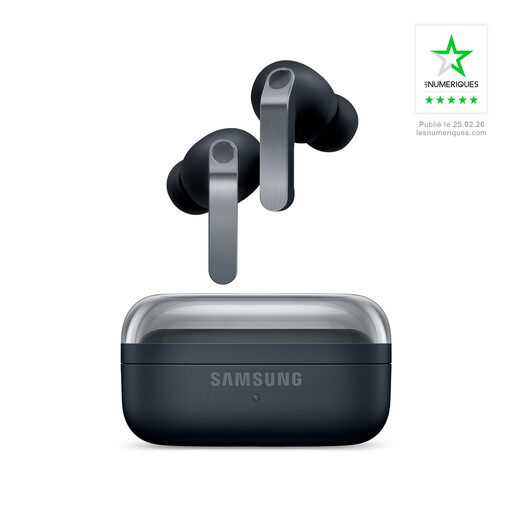
Why This Fits Their Persona: Suited to listeners who value advanced audio formats, adaptive ANC and integration with compatible Samsung devices.
The stated battery figures separate ANC-on and ANC-off use, while the IP57 information clarifies the protection level.
Dual speakers and amplifiers, adaptive ANC, six microphones and wireless charging support.
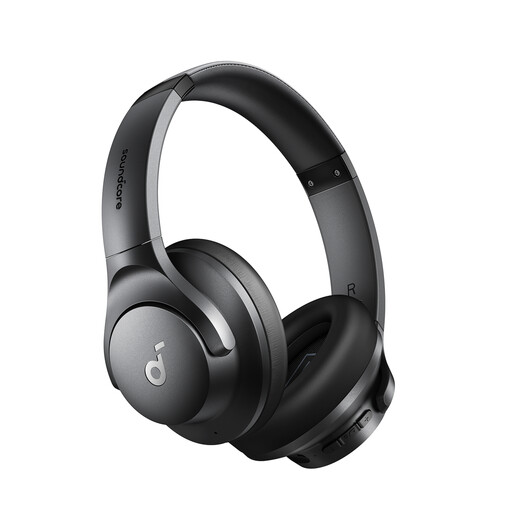
Why This Fits Their Persona: A practical match for long train journeys, home working and travel where ear-cup comfort and extended battery life are priorities.
The product information gives separate 40-hour ANC and 60-hour standard playback figures, rather than presenting one unqualified number.
Hybrid ANC, 40 mm drivers, dual-device connection and USB-C fast charging.
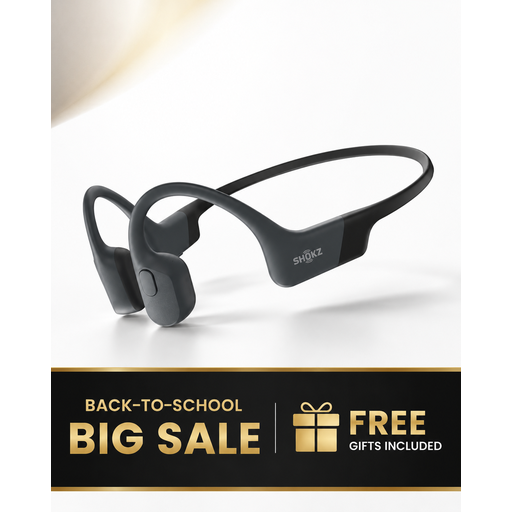
Why This Fits Their Persona: Designed for runners and outdoor users who want to hear podcasts or music while remaining aware of surrounding sounds.
Its open-ear format does not promise the isolation of ANC earbuds, making the intended listening environment clearer.
IP67 rating, up to 8 hours of playback and a quick-charge feature stated as 1.5 hours from 10 minutes.
We have compiled a complete, real-time list of products that fully satisfy these strict selection criteria and UK safety regulations.
They can be, provided the earbuds support hands-free calling and have a suitable microphone system. For frequent work calls, a headset with a boom microphone, such as the HP Poly Voyager Legend 50-M UC, may offer a more direct microphone position and UC-focused controls.
Battery capacity gradually decreases with charging cycles, while physical lifespan depends on hinge, cable, case and moisture exposure. Keeping charging ports dry, avoiding extreme heat and storing earbuds in their case can help preserve everyday usability. Check the retailer’s warranty and returns information before purchase.
Usually, yes. ANC requires additional processing, so manufacturers commonly publish different figures for ANC-on and ANC-off use. If you need long battery life headphones for travel, compare the ANC-on figure and check whether a quick-charge function is included.