
24/7 Customer Support

Free returns

Same-day & Next-day Delivery

Quality Guaranteed

Unlock Your Welcome Offers: FREE Delivery | Up to 80% OFF | Free 30-day JoyPlus trial
Download the APP
Sending important documents, certificates or art prints through the post can be a source of anxiety. There is little more frustrating for a business or seller than a customer receiving a creased contract or a bent photograph. Standard paper envelopes simply do not offer the rigidity needed to protect flat items in transit.
This is where board back envelopes provide a simple and effective solution. This guide will walk you through the key features to consider when choosing the right protective mailers for your needs. We will also share our recommendations to help you post your items with confidence, ensuring they arrive in the pristine condition you sent them.
Choosing the right hard back envelopes involves more than just picking a size. To ensure your items are protected and your postage is cost-effective, consider these three key factors.
The primary purpose of a cardboard backed envelope is to prevent bending. The level of protection is determined by two main specifications:
Many of these mailers are also known as do not bend envelopes because they feature a clear, pre-printed warning on the front, alerting postal workers to handle the contents with care.
Using the correct envelope size is crucial. An envelope that is too large allows the contents to slide around, increasing the risk of corner damage, while one that is too small can cause bowing or damage the item during insertion. The standard UK sizing system makes this straightforward:
Always choose the corresponding 'C' size for your 'A' sized paper to ensure a snug and secure fit.
For businesses and high-volume sellers, efficiency is key. A peel and seal closure is a significant time-saver. This feature uses a simple adhesive strip with a protective paper covering, eliminating the need for licking gummed edges or using separate tape. It provides a strong, tamper-evident seal.
Furthermore, many modern recycled document mailers are made from 100% recycled materials and are fully biodegradable. Choosing an eco-conscious option allows you to protect your items and the environment simultaneously.
Based on features that offer protection, convenience and value, here are our recommendations for reliable document and photo mailers.
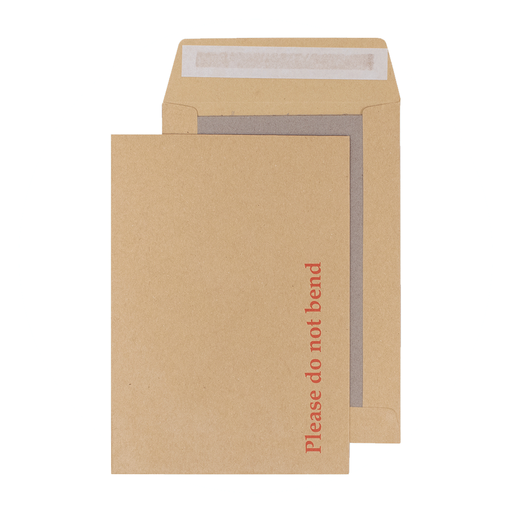
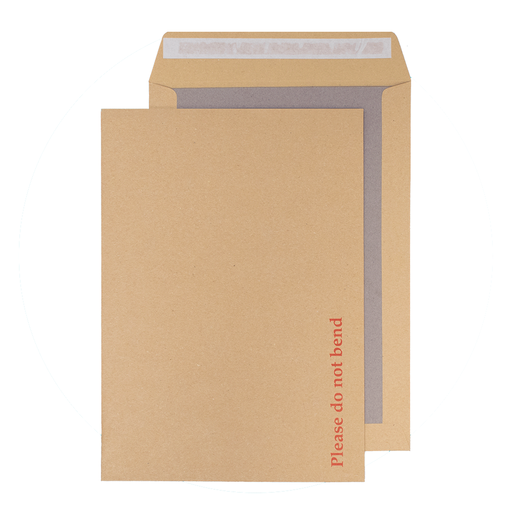
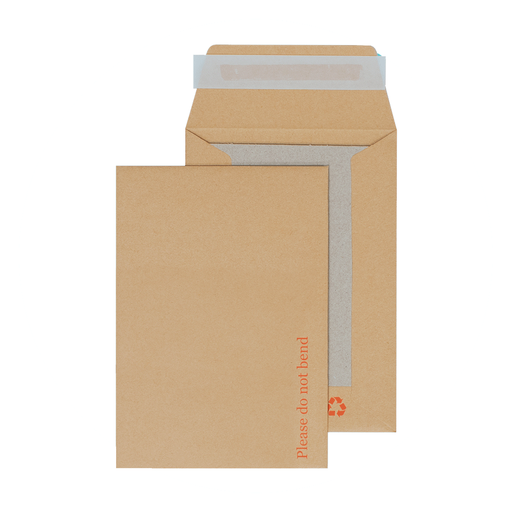
While these recommendations cover the most common needs for protecting flat items, your requirements might call for different sizes, quantities or styles. If you need to explore a wider variety of mailing solutions, you can browse our full collection of brown envelope options to find the perfect match.
1. What are board back envelopes used for? Board back envelopes are specifically designed for mailing items that must remain flat. Common uses include sending photographs, art prints, certificates, legal documents, contracts, calendars and any other paper or card-based item that would be ruined by folding or creasing.
2. Are cardboard backed envelopes recyclable? Yes, in most cases. The products recommended here are made from 100% recycled content and are also fully kerbside recyclable and biodegradable. The front is paper and the back is cardboard, both of which are widely accepted in UK household recycling collections. It is always a good practice to check with your local council's specific guidelines.
3. Can you write directly on manilla envelopes? Absolutely. The kraft paper front on these manilla envelopes provides a smooth, uncoated surface that is ideal for writing on with a biro, marker or fountain pen. You can also easily affix printed address labels for a more formal, professional appearance.