
24/7 Customer Support

Free returns

Same-day & Next-day Delivery

Quality Guaranteed

Unlock Your Welcome Offers: FREE Delivery | Up to 80% OFF | Free 30-day JoyPlus trial
Download the APP
Choosing entertaining board games and card games for a UK household is not simply a case of picking the most familiar box. A game can look impressive online yet spend most of its time in a cupboard because it takes too long to set up, needs a very specific number of players or is unsuitable for younger family members.
The right choice depends on who will play, where it will be used and how much complexity the group genuinely enjoys. This guide highlights common buying traps, explains the specifications worth checking and matches selected games to different households and occasions.
A big package does not necessarily mean more replay value. Some games include a large board but rely on a limited set of questions or scenarios. Before buying, check whether the box contains varied cards, multiple modes or enough content for repeated sessions.
For example, a cooperative mystery game with hundreds of cases may offer more variety than a visually large game with only one format.
Many family board games are advertised for groups, but some are designed primarily for two players. Others become less enjoyable with only two participants. Always check the recommended number of players and the minimum age.
Small pieces also matter. Products with code pegs, tokens, cards or miniature accessories may carry small-parts choking warnings. Follow the stated age guidance and remove packaging before giving a game to a child.
“Party game” can cover very different experiences. A drawing game may work well with mixed-age relatives, while an adult party game with inappropriate language is unsuitable for children or formal occasions. Check the content, age rating and expected group size before purchasing gifts for gamers or planning a social evening.
Look for whether a game supports two players, teams, cooperative play or larger groups. A two-player deduction game may be ideal for quiet evenings but less practical for a family gathering. Conversely, a team quiz or party game may need five or more participants to work as intended.
Consider how your household usually plays:
Age labels indicate more than reading ability. They may reflect small parts, mature themes or the complexity of the rules. For children aged six and over, look for clearly marked cards, short turns and themes they already enjoy. For teenagers and adults, strategy games, trivia games and deduction formats can offer more involved play.
Check the packaging for safety warnings, age suitability and battery requirements. The products featured here do not require batteries, although some sets include magnets or other components that require additional care. Keep all pieces stored securely after play.
Cards should be easy to shuffle and store, while boards and tokens need to fit back into the original box without damage. Portable plastic cases are useful for travel and day trips, whereas larger boxes may suit a dedicated games cupboard.
Replay value can come from different sources: changing secret codes, varied questions, multiple game modes, rotating team roles or a large collection of scenarios. A game that matches your regular routine is usually a more practical purchase than one with features your group is unlikely to use.
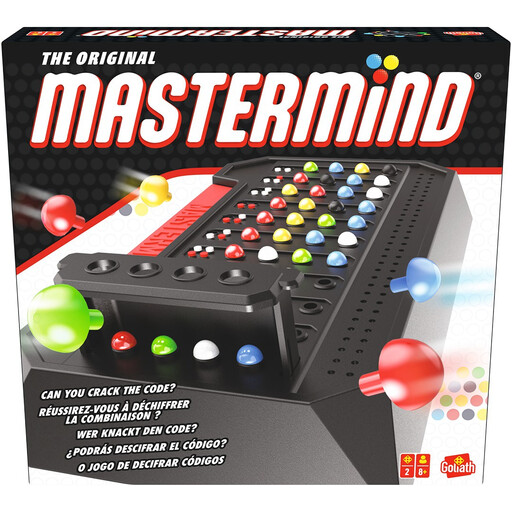
Why This Fits Their Persona: A focused two-player format suits couples, siblings or a parent and child looking for a straightforward evening game without a large setup.
The player count is clear: it is a one-on-one code-cracking game, so buyers are less likely to expect a large-group experience.
Includes a board, code pegs and evaluation pegs; listed playtime is approximately 20–40 minutes and it requires no batteries.
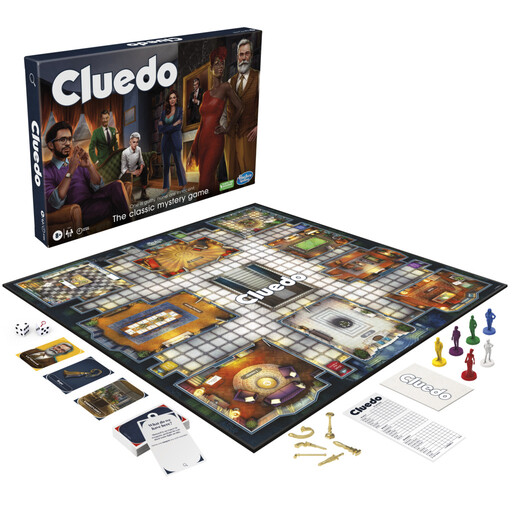
Why This Fits Their Persona: This reimagined mystery game is suited to households that value themed presentation and a more involved deduction experience for players aged eight and over.
The game combines familiar deduction with clue cards and hidden passages, adding variation beyond a basic roll-and-move format.
Includes six suspects, sculpted character movers, gold-coloured weapon tokens and an illustrated Tudor Mansion board.

Why This Fits Their Persona: The compact card format works for holidays, train journeys and quick play at home, with a stated age suitability from six years.
Its portable plastic case helps keep the deck together, reducing the storage problem common with loose travel cards.
Supports two or more players, compares character statistics and requires no batteries.
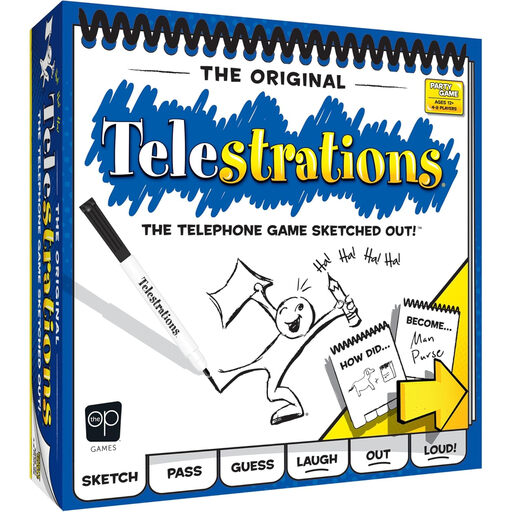
Why This Fits Their Persona: Hosts who regularly organise gatherings can use simultaneous drawing and guessing to keep a group involved, even when artistic ability varies.
Everyone draws and guesses at the same time, so players are not left waiting through long individual turns.
Includes erasable sketch books and dry-erase markers; the stated format is suitable for players aged eight and over.
We have compiled a complete, real-time list of products that fully satisfy these strict selection criteria and UK safety regulations.
Most require no ongoing running cost and no batteries. The main long-term considerations are lost cards, damaged components and replacement availability. Store small pieces in resealable bags and keep cards dry and flat to extend their usable life.
Choose a game whose minimum age matches the youngest intended player. Compact Top Trumps packs can suit quick rounds, while a cooperative mystery game may work for families that prefer shared objectives. Avoid adult party games and products with small parts when the age guidance is not suitable.
Prioritise games with simultaneous turns, team play or flexible player numbers. Drawing games, survey quizzes and bluffing formats generally involve more people than a two-player deduction game. For a mixed group, confirm the rules are easy to explain and check whether the theme and content suit everyone attending.