
24/7 Customer Support

Free returns

Same-day & Next-day Delivery

Quality Guaranteed

Unlock Your Welcome Offers: FREE Delivery | Up to 80% OFF | Free 30-day JoyPlus trial
Download the APP
Board games can turn a rainy afternoon, family gathering or holiday journey into shared entertainment. However, attractive artwork and familiar licences do not always mean a game will suit your household. The right choice depends on age suitability, playing time, group size, storage and how much adult support is needed.
Licensed themes such as Harry Potter, Bluey and FIFA can make a game appealing, but the underlying format matters more than the artwork. A themed strategy game may involve reading, trading or deduction, while a children’s version may use much simpler rules. Check the recommended age, player count and gameplay description before buying.
A large board game may require a long session, which is not ideal for younger children or casual gatherings. Conversely, a quick card game may feel too brief for adults looking for a full evening activity. Look for stated playing times where available, and consider whether players can pause, reset or complete a round within your available time.
Many board games contain dice, tokens, cards or other small components. These can present a choking hazard for younger children, even when the box design looks family-friendly. Battery-powered games also need extra supervision and replacement batteries. Before ordering, check the product warnings, battery requirements and packaging dimensions so you know where the game can be stored.
The age on the box is an important starting point, not just a marketing suggestion. For example, several games in this guide are marked for children aged 8 and over because they contain small parts or more involved rules. Games for ages 3–18 vary considerably, so match the product to the youngest intended player.
For children under three, avoid games containing small detachable pieces unless the manufacturer clearly states that they are suitable. In the UK, check the packaging for relevant CE or UKCA marking, the manufacturer or importer details and clear safety warnings. Always remove packaging before giving a game to a child, and supervise play where the instructions recommend it.
A game for two players will create a different experience from a party game for six or more. Consider the people who will normally play:
A sturdy board and well-made pieces are useful when a game will be played frequently. Wooden components, such as those in giant domino sets, may be easier to handle outdoors or by players with limited dexterity. For travel, measure the packaging and check whether the contents fit securely in a tin or compact case.
Battery-free games generally have fewer running costs, although electronic toys may offer music or interactive play. If batteries are included, check the type and follow safe storage and disposal guidance. Products containing magnets require particular care, as swallowed magnets can cause serious injury.
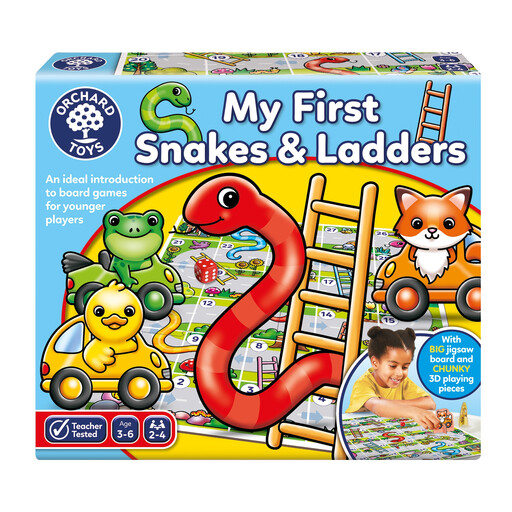
Why This Fits Their Persona: This is a straightforward introduction to tabletop play for children aged 3 and over, with simple turns and a compact package for home visits or playdates.
The age guidance and simplified rules make it easier to avoid buying an advanced game that a young child cannot follow.
Battery-free play; large pieces and dice; supports counting and turn-taking.
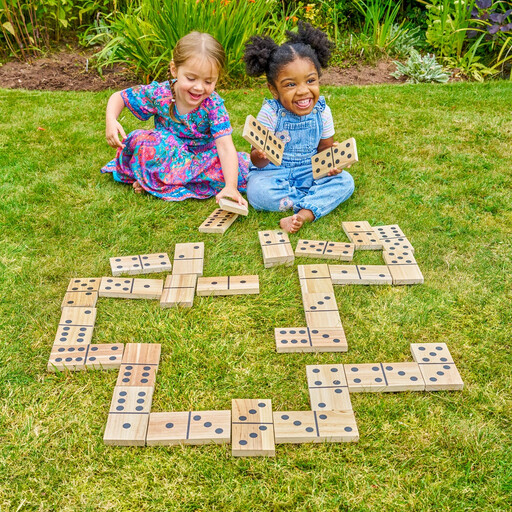
Why This Fits Their Persona: Families wanting a tactile, reusable set for indoor gatherings, picnics or garden parties may value the oversized wooden format.
The stated tile measurements of 15 cm by 7.5 cm by 1.5 cm make the scale clear, rather than leaving buyers to guess from photographs.
Includes 28 FSC-certified wooden dominoes; supports blocking, scoring and draw formats; suitable from age 3.
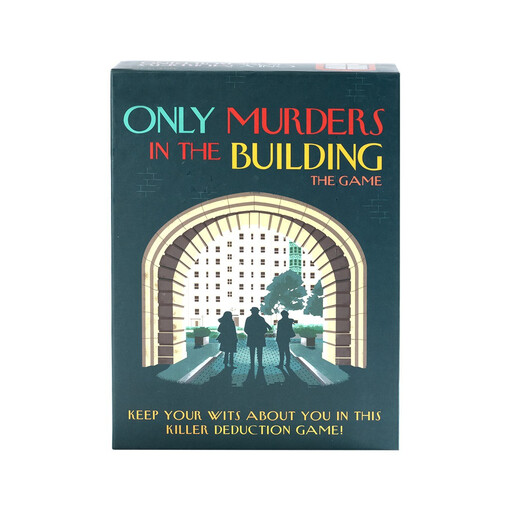
Why This Fits Their Persona: Fans of cooperative mystery games can work together to gather clues and identify the killer in sessions lasting about 45 minutes.
The player range, approximate duration and five-minute setup time are stated, helping you assess whether it suits a planned game night.
Cooperative play for 2–4 players; includes a board, cards, tiles and clue tracker; suitable from age 8.
We have compiled a complete, real-time list of products that fully satisfy these strict selection criteria and UK safety regulations.
For a traditional family game night, Classic Monopoly Board Game offers property trading, dice, cards and money for players aged 8 and over. A themed alternative is Monopoly HARRY POTTER, which replaces standard properties with locations including Hogwarts, Diagon Alley and Hogsmeade.
For quick social play, Dobble Classic Game includes 55 circular cards, five mini-games and a travel tin. Perudo Dice Game in a Tin uses hidden dice, bluffing and deduction for 2–6 players, making it practical for holidays or after-dinner play.
Younger children may enjoy Orchard Toys Bus Stop Game, which uses matching, counting and turn-taking from age 4. For active party play, Bluey Pass The Parcel includes three modes, a 20 cm interactive plush and 12 parcel tiles, with batteries included. Check the battery and button-cell safety information carefully before use.
Teenagers and adults who enjoy trivia can consider Trivial Pursuit Updated Version, which includes 1,200 questions across six categories and supports individual, team or cooperative formats. For older players, Sherlock Holmes vs. Jack The Ripper Mystery Game Box is marked for ages 16 and over and includes story materials, clue letters, maps and puzzle tools.
Choose a game with a low minimum age, clear instructions and a flexible pace. Simple matching or counting games work for younger children, while classic games, card games and cooperative mystery formats can involve older children and adults. If the age gap is wide, consider having an adult or older child support the youngest player.
Playing time varies from roughly 15 minutes for some card games to 45 minutes or longer for mystery and property-trading games. Always check the product description and plan around attention spans. Shorter games are often easier to replay and more suitable for weeknight entertainment.
Many board games require no batteries and have no running costs beyond the initial purchase. Electronic plush games may need replacement batteries, while games with consumable or single-use clues may offer less repeat play. For frequent use, choose a set with durable components, reusable cards and rules that support multiple game formats.