
24/7 Customer Support

Free returns

Same-day & Next-day Delivery

Quality Guaranteed

Unlock Your Welcome Offers: FREE Delivery | Up to 80% OFF | Free 30-day JoyPlus trial
Download the APP
Choosing board games can look simple until you compare player counts, age ratings, play times and component quality. A game that seems suitable for a family gathering may be too competitive for younger children, too lengthy for a weekday evening or too bulky to take on holiday.
This guide focuses on practical details rather than marketing language, helping UK households choose games that match how they actually play.
A familiar TV series or classic title can attract attention, but the theme does not tell you whether the game is cooperative, competitive, luck-based or heavily strategic. Check the central activity first: deduction, drawing, trading, bluffing, quizzes or code-breaking.
Many family board games contain small cards, tokens, pegs or dice. Always check the stated minimum age and read the product warning. Games marked not suitable for children under 8 should not be given to younger children, even if they can understand the basic instructions. Adult supervision may also be recommended.
A game listed as suitable for family game nights may still require 45 minutes or more. A two-player strategy game will not work well at a party, while a large multiplayer game may be inconvenient for a quiet evening with one child. Match the published player range and approximate duration to your household’s routine.
For games for adults and children, look for a player range that reflects your usual group. Cooperative games allow players to work together, while competitive games may involve bluffing, negotiation or direct comparison. Party games generally suit larger groups, whereas code-breaking and some strategy board games are designed for two players.
Check the recommended age, small-parts warning and whether the set contains magnets, batteries or other accessories. The age guidance is not only about reading ability; it can also relate to component size, game complexity and safe handling.
For UK shoppers, check the packaging and listing for relevant toy safety information, including CE or UKCA marking where applicable, and follow the manufacturer’s instructions. Keep packaging away from children and store loose pieces securely after play.
A five-minute setup can make a noticeable difference to how often a game is used. Also consider package dimensions, the number of loose pieces and whether the box includes a tray, pouch or tin. Travel games such as dice games can be easier to carry than a full board with multiple tokens and cards.
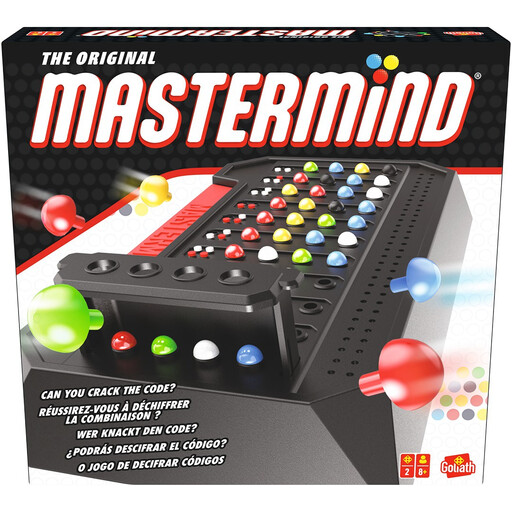
Why This Fits Their Persona: A two-player format and an estimated 20–40-minute play time make this a manageable introduction to strategy board games for households that usually play in pairs.
The fixed two-player structure avoids buying a game that cannot accommodate the intended group, while the clearly defined code-breaking objective is easy to explain before play.
Includes a board, code pegs and evaluation pegs; suitable from age 8 and requires no batteries.
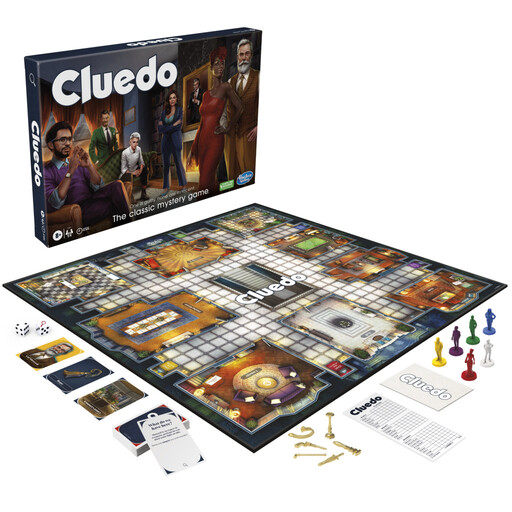
Why This Fits Their Persona: This reimagined mystery board game suits households looking for a recognisable format with more detailed presentation for family evenings and social play.
The listing identifies the six suspects, mansion setting and clue-card system, so shoppers can assess the actual deduction mechanics rather than choosing on appearance alone.
Includes sculpted character movers, gold-coloured weapon tokens and clue cards; suitable from age 8.
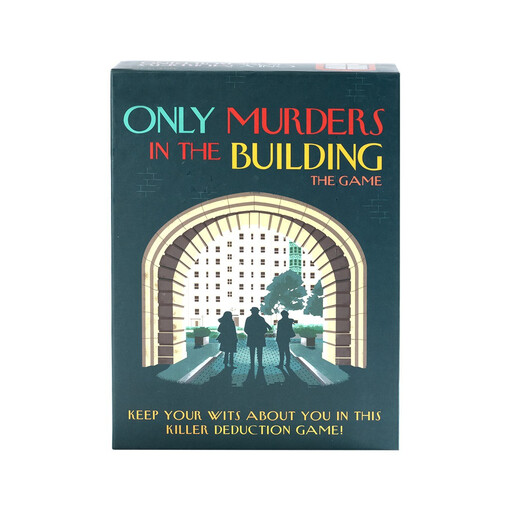
Why This Fits Their Persona: Fans of mystery stories and cooperative play can work in a group of 2–4, making this suitable for planned family game nights or gatherings with friends.
Its cooperative structure is stated clearly, reducing the risk of buying a competitive title for players who prefer solving a case together.
Approximately 45 minutes of play and about five minutes of setup; includes a board, movers, cards, tiles and clue trackers.
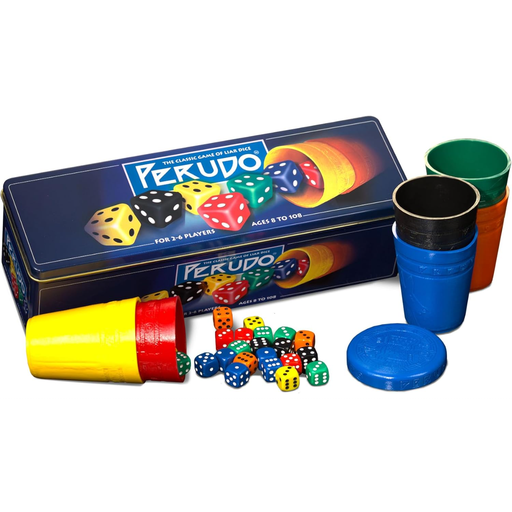
Why This Fits Their Persona: This compact dice game works for 2–6 players and can be taken on trips, used after dinner or brought out at an informal gathering.
There is no board and no lengthy setup, addressing the common problem of buying a travel game that still needs considerable table space.
Includes six cups, 30 dice, a cloth pouch and rule book in a tin; suitable from age 8 and requires no batteries.
We have compiled a complete, real-time list of products that fully satisfy these strict selection criteria and UK safety regulations.
Classic board games such as Monopoly can suit players who enjoy trading, property decisions and longer competitive sessions. Drawing games, party games and dice games may be more suitable when the group wants quick rounds and frequent interaction.
It depends on the design. Games with a board, cards, tokens and trackers usually need more preparation than dice games. For example, the Only Murders in The Building Game lists setup at approximately five minutes, while Perudo has no board setup.
Most traditional board games have no ongoing running cost and do not require batteries. The main consideration is replacement if pieces are lost or damaged. Store cards, dice and tokens in separate bags or compartments to help preserve a complete set.
Start with the minimum age, player count, estimated play time and interaction style. Cooperative deduction games can suit groups that prefer a shared objective, while classic strategy games may appeal to players who enjoy negotiation and competition. Always check whether the game’s small parts are suitable for the children who will be playing.