
24/7 全天候客户支持

免费退货

当日/次日达

品质保障

开启新人专享福利: 全场免邮 | 低至 2 折 | 免费试用 30 天 JoyPlus 会员
下载 Joybuy
Dry, tight or flaky skin can make everyday body care frustrating, particularly during colder UK months, after hot showers or when indoor heating reduces humidity. Yet choosing a body cream for dry skin is not simply a matter of selecting the richest-looking tub.
Marketing language can make products appear interchangeable, while important details such as fragrance, texture and barrier-supporting ingredients are easy to overlook. This guide explains what to check before buying and matches several options to different shopping needs.
Claims such as “24-hour”, “48-hour” or “100-hour” hydration describe the brand’s stated performance under particular conditions. They do not guarantee that every user will experience the same result. Application amount, shower habits, weather, clothing friction and skin condition all affect how long skin feels comfortable.
Look beyond the headline and check whether the formula contains useful humectants, such as glycerin or sodium hyaluronate, alongside emollients and occlusives that help reduce moisture loss.
An intensive body cream may be rich, buttery or balm-like. That can suit very dry elbows, knees and heels, but a dense texture may feel uncomfortable under clothing or encourage you to skip daily application.
A lighter body lotion for dry skin may be more practical for full-body use, while a rich cream or moisturising body butter can be reserved for areas that need extra nourishment.
Scented products can make a routine more enjoyable, but fragrance is a potential irritation concern for some sensitive users. Ingredients such as limonene, linalool, citral and citronellol may appear separately on the label.
If your skin is reactive, compare the full ingredient list rather than relying only on phrases such as “gentle” or “natural”. A patch test on a small area is a sensible precaution, and products should not be applied to broken or inflamed skin.
For everyday hydration, look for combinations rather than one headline ingredient:
A formula containing alcohol denat. high in the ingredient list may feel fast-absorbing, but could be less comfortable for particularly dry or sensitive users.
Choose according to when and where you will use the product:
Body products are used over large areas, so a 200–400 ml container may offer better day-to-day practicality than a small premium face cream. However, a smaller size can be useful for travel or for trying a strongly scented formula before committing to a larger purchase.
Check the recommended use, packaging and current ingredient list supplied with the product. Formulations can change, and people with allergies or intolerances should always read the label before use.
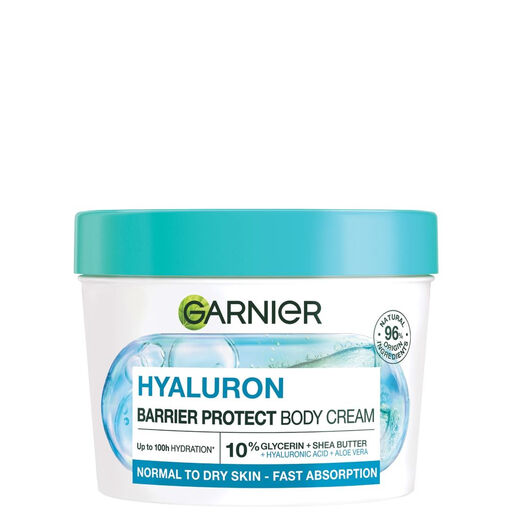
Why This Fits Their Persona: The 380 ml tub is suited to shoppers wanting a generous daily supply for normal to dry skin without choosing a small luxury format. Its fast-absorbing texture is convenient for busy mornings.
The product details identify aloe vera, glycerin, shea butter and sodium hyaluronate, allowing shoppers to assess the formula beyond its hydration headline.
380 ml size; vegan formula; 96% natural origin ingredients stated in the product information; quick-absorbing format.
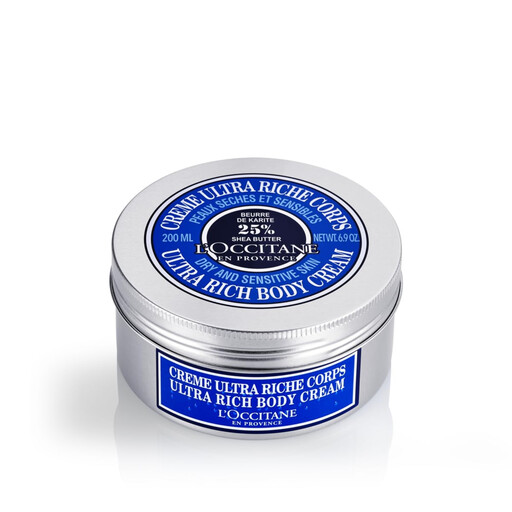
Why This Fits Their Persona: This rich 200 ml cream suits shoppers who prefer a more substantial ritual after bathing, particularly when arms, legs, elbows and knees feel persistently dry.
Its listed ingredients make the rich texture understandable: shea butter appears near the beginning, with glycerin, sunflower seed oil, dimethicone and sodium PCA also included.
High-shea-butter formula; rich creamy texture; suitable for dry and sensitive body skin according to the supplied product information.
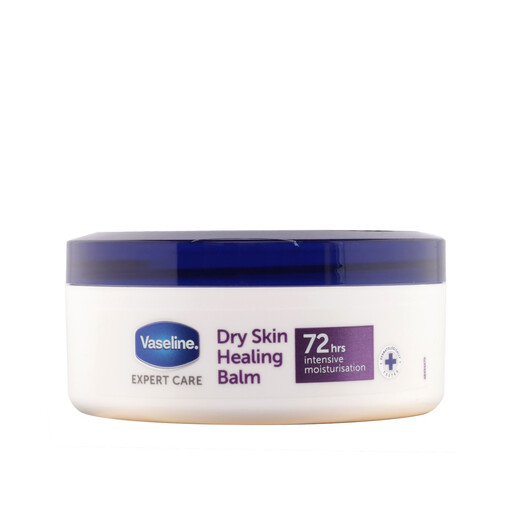
Why This Fits Their Persona: A fragrance-free option for shoppers prioritising intensive care on very dry areas or who prefer to avoid added scent in their daily body routine.
It does not rely on fragrance or a sensory scent story. The listed formula includes glycerin, petrolatum, dimethicone and pro-lipids for a protective, balm-like approach.
Fragrance-free; 250 ml size; designed for extremely dry or cracked-feeling skin; fast-absorbing format stated by the product information.
We have compiled a complete, real-time list of products that fully satisfy these strict selection criteria and UK safety regulations.
Apply your chosen hydrating body cream or lotion to clean skin shortly after bathing, while it is still slightly damp. This can help reduce the tight feeling that often follows towel drying.
Use enough product to create an even layer, paying extra attention to elbows, knees, shins, hands and feet. Massage gently rather than rubbing harshly. If a product feels sticky, pills under clothing or causes stinging, it may not be suitable for your routine even if its marketing claims sound appealing.
Those seeking long-lasting body hydration may find it more practical to apply a lighter product daily and use an intensive cream on dry areas at night.
Body lotion usually has a lighter, more fluid texture and is convenient for larger areas or daytime use. Body cream generally contains more oils, butters or occlusive ingredients, making it better suited to tight or rough-feeling skin. The right choice depends on both dryness level and whether you will use it consistently.
Fragrance-free products can reduce exposure to added perfume ingredients, which may be useful if your skin is sensitive or prone to irritation. They are not automatically suitable for everyone, so check the complete ingredient list and stop using the product if redness, itching or discomfort develops.
Usage varies according to body size, application area and frequency. A 250 ml product may last several weeks with targeted use, while a 380–400 ml tub or bottle is more practical for daily full-body application. Comparing price per 100 ml can give a clearer view of value than comparing the shelf price alone.