
24/7 Customer Support

Free returns

Same-day & Next-day Delivery

Quality Guaranteed

Unlock Your Welcome Offers: FREE Delivery | Up to 80% OFF | Free 30-day JoyPlus trial
Download the APP
A good body cream should make daily skincare easier, not leave you guessing between bold hydration claims, unfamiliar ingredients and unsuitable textures. UK shoppers also need to consider changing weather, indoor heating, fragrance preferences and how quickly a product absorbs before getting dressed.
The right choice depends less on impressive packaging and more on matching the formula to your skin, routine and ethical priorities.
Statements such as “48-hour” or “100-hour” hydration describe a brand’s specified performance conditions, not necessarily how your skin will feel after washing, exercising or spending time in cold weather. A rich formula may be more appropriate for very dry areas, while a lighter body moisturiser can be easier to use every day.
Check the texture, key emollients and directions rather than relying on a duration claim alone.
A dense body butter can feel comforting on elbows, knees and heels, but may be inconvenient if you need to dress immediately after a shower. Look for terms such as fast-absorbing body cream, lightweight lotion or non-greasy texture if speed matters.
Fragrance can make a body-care routine more enjoyable, but scented formulas may not suit everyone. Review the full ingredient list for parfum and named fragrance allergens such as limonene, linalool, geraniol or benzyl alcohol. Those with known allergies or intolerances should always check the product packaging before use.
Likewise, “natural origin”, “vegan” and “cruelty-free” are not interchangeable. Check the specific product information and certification details rather than assuming one label covers all three.
For normal to mildly dry skin, a moisturising body lotion or lightweight cream can provide comfortable everyday care. Ingredients commonly found in these formulas include glycerin, which helps attract water, and oils or butters that help reduce moisture loss.
Very dry or rough skin may benefit from a more substantial nourishing body cream containing shea butter, cocoa butter, plant oils or occlusive ingredients. A balm with a high butter or wax content can be useful for targeted areas, although it may feel heavier across the entire body.
A skin barrier cream should offer more than a pleasant scent. Look for a combination of humectants, emollients and occlusive ingredients. Glycerin and sodium hyaluronate are examples of humectant ingredients; shea butter, sunflower oil and olive oil provide emollient qualities; mineral oil, waxes and silicones can help form a protective layer.
No ingredient guarantees the same result for every person. Patch testing a small area is sensible, particularly when trying an intensive body moisturiser or a product containing fragrance.
A 380ml tub or 400ml bottle may be practical for full-body daily use, while a 75ml or 100ml product is easier to carry or trial. Compare the amount with how generously you apply cream and whether the packaging allows clean, convenient dispensing.
For a regular post-shower routine, apply moisturiser to clean, slightly damp skin and allow a short time for absorption before dressing. Avoid applying products to broken or inflamed skin unless advised by a healthcare professional.
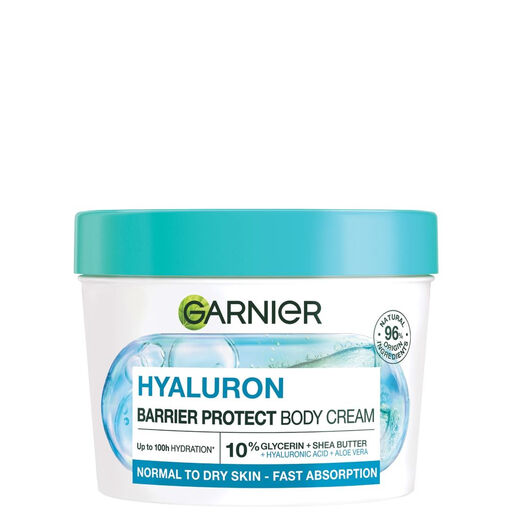
Why This Fits Their Persona: The 380ml tub suits shoppers beginning a consistent full-body routine and wanting a vegan formula with a quick-absorbing feel.
Its stated fast-absorbing format avoids the inconvenience of a very dense butter when used after a morning shower.
Vegan formula; includes glycerin, aloe vera, shea butter and sodium hyaluronate; 380ml size.
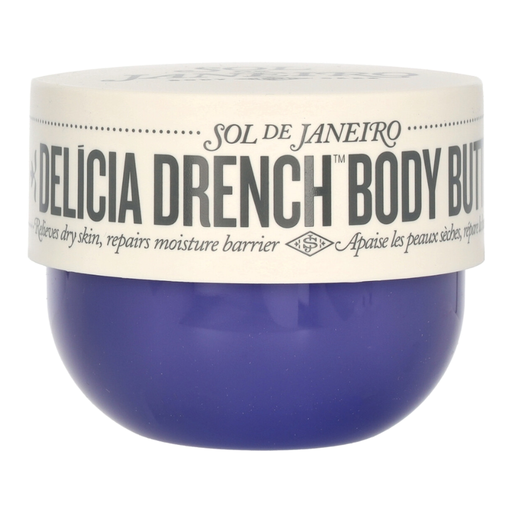
Why This Fits Their Persona: A whipped, ultra-rich texture and distinctive fragrance suit shoppers who view body care as a sensory evening ritual.
The product is clearly positioned as a rich body butter, so shoppers can make an informed choice rather than expecting a light lotion.
Contains shea butter, coconut oil, squalane and plant butters; 240ml size; vegan-friendly according to the supplied product information.
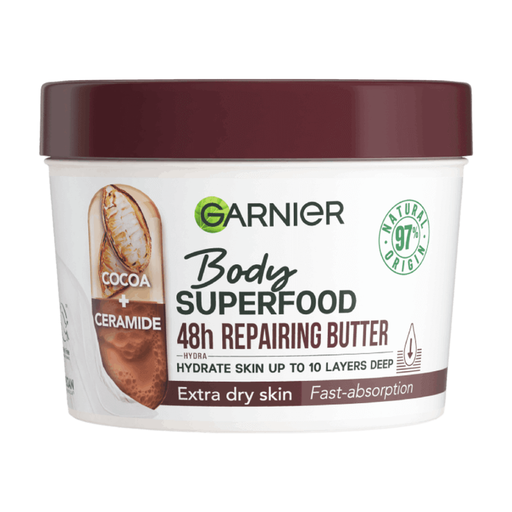
Why This Fits Their Persona: Its richer positioning is suitable for shoppers dealing with very dry-feeling skin and prioritising barrier-focused ingredients.
The cocoa and ceramide formula is presented for very dry skin, making its heavier care profile clearer than a standard lotion.
Contains cocoa butter, shea butter and a ceramide-related ingredient; vegan formula; 380ml tub.
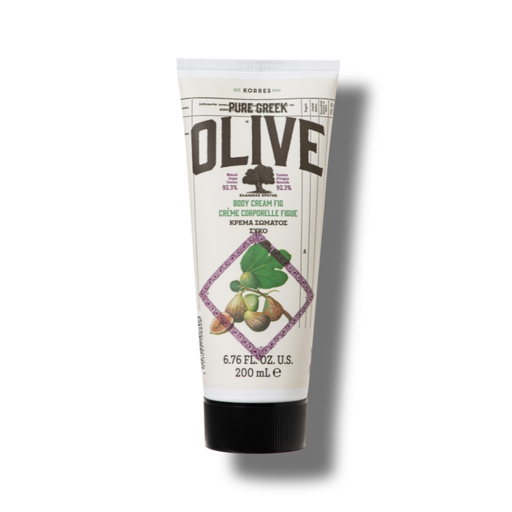
Why This Fits Their Persona: The lightweight texture, warm honey scent and post-shower directions suit shoppers who want moisturisation with a noticeable sensory element.
Its stated fast-absorbing texture sets a practical expectation for daily use rather than intensive overnight balm care.
Includes olive oil, olive leaf extract, glycerin, sweet almond oil and shea butter; 200ml format.
We have compiled a complete, real-time list of products that fully satisfy these strict selection criteria and UK safety regulations.
Neither is automatically preferable. Lotion usually has a lighter consistency and can be convenient for larger areas or warmer weather. A body cream or body butter generally feels richer and may be more suitable for very dry or rough patches. Choose according to texture, ingredients and how often you are willing to apply it.
This depends on the product size, the area covered and application frequency. A 380ml tub may suit daily full-body use, whereas a 75ml travel-size body butter may be more appropriate for handbags, holidays or targeted testing. Follow the packaging guidance for shelf life and storage.
Some people with sensitive skin prefer fragrance-free products, while others tolerate scented formulas. Always read the complete ingredient list, pay attention to fragrance allergens and patch test a small area first. Do not apply body cream to broken, irritated or inflamed skin.