
24/7 Customer Support

Free returns

Same-day & Next-day Delivery

Quality Guaranteed

Unlock Your Welcome Offers: FREE Delivery | Up to 80% OFF | Free 30-day JoyPlus trial
Download the APP
Dry, tight or rough-feeling skin can make an ordinary shower routine uncomfortable, particularly during colder UK months. Choosing a body lotion for dry skin is not simply a matter of selecting the richest-looking bottle. Texture, fragrance, ingredients, pack size and how consistently you will use it all affect whether a product suits your household.
This guide explains the practical details worth checking before buying, then matches selected lotions to different shopping needs.
A warm cocoa, vanilla, jasmine or lavender scent can make a lotion more enjoyable to apply, but fragrance does not indicate how well the formula supports dry skin. Fragrance can also be unsuitable for people with sensitivities.
If your skin is easily irritated, look for a fragrance-free body lotion and check the full ingredient list rather than relying only on front-label wording. Products described as “natural” may still contain fragrance allergens from essential oils or perfume blends.
A deep moisturising body cream may feel comfortable on very dry patches, but a thick formula can be inconvenient if it remains sticky under clothing. Conversely, a light gel may absorb quickly but feel insufficient on rough elbows, knees or heels.
For a daily body moisturiser, consider when and where you will apply it. Fast-absorbing lotions are practical after a morning shower, while richer creams may be more suitable at night or for targeted areas.
A 400ml family-size bottle may offer more applications, but it is poor value if the fragrance or texture discourages regular use. Smaller sizes can also be useful for handbags, holidays or testing a formula before committing to a larger pack.
Always compare price per 100ml, not only the headline price. Also check whether the product is intended for the body, face, babies or a particular skin type.
Useful formula categories include:
A cocoa butter body lotion can provide a richer, more nourishing feel, while an oat body lotion may appeal to shoppers seeking a simple, soothing routine. Ingredient order matters: ingredients listed nearer the beginning generally make up a larger proportion of the formula, although the list alone cannot predict how your skin will respond.
For sensitive or eczema-prone skin, fragrance-free products are often a practical starting point. However, “hypoallergenic”, “dermatologist tested” and similar descriptions are not guarantees that every individual will tolerate a formula.
Check for fragrance, essential oils and listed fragrance allergens such as limonene, linalool or benzyl alcohol. Patch testing a small area is sensible, particularly when trying a new product. Do not apply lotion to broken or infected skin unless advised by a healthcare professional.
A hydrating body lotion should fit your lifestyle as well as your skin. Consider:
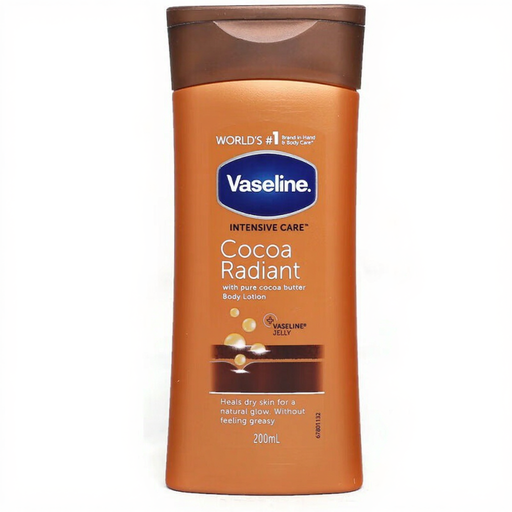
Why This Fits Their Persona: A compact 200ml option for shoppers wanting to start a simple daily moisturising routine without buying a large bottle. Its cocoa butter formula has a warm fragrance and is designed for use after bathing.
The smaller size limits waste if you are unsure about the cocoa fragrance or richer feel.
Contains cocoa butter and petrolatum; the listing describes a fast-absorbing, non-greasy finish.
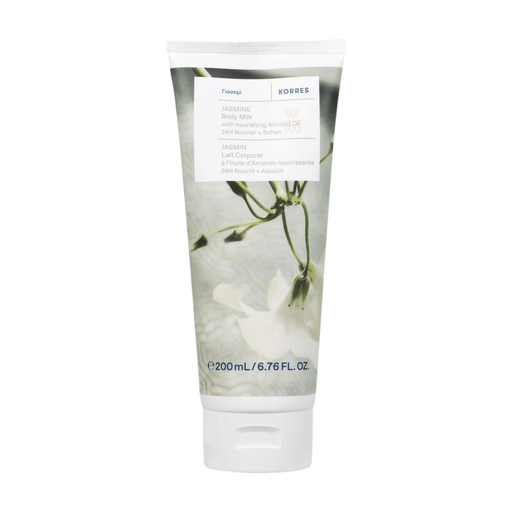
Why This Fits Their Persona: Suits shoppers who value a lighter body milk texture, botanical oils and a fragranced, more sensorial application experience.
The product details clearly identify jasmine fragrance, so shoppers who need fragrance-free care can rule it out before buying.
Includes almond oil, shea butter, jojoba oil and panthenol; the stated natural-origin content is 93.5%.
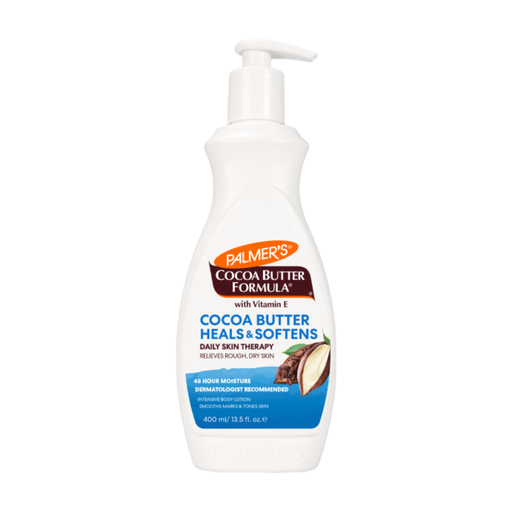
Why This Fits Their Persona: The 400ml format is practical for frequent full-body use or households sharing a moisturising body lotion.
The pack size supports regular use, while the ingredient list lets shoppers assess its fragrance and richer cocoa-based formula in advance.
Contains cocoa butter, vitamin E, glycerin and petrolatum; the product is marketed as free from parabens and phthalates.
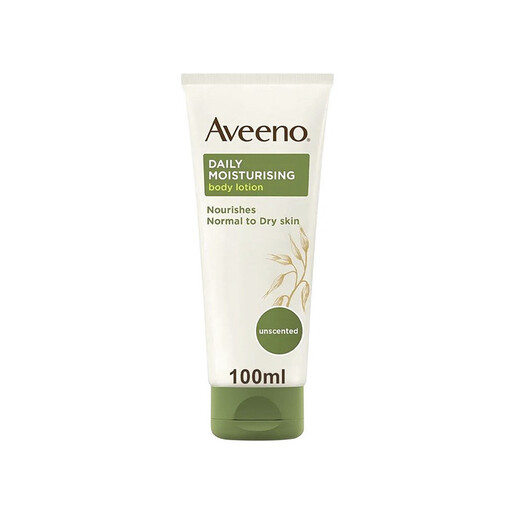
Why This Fits Their Persona: A 100ml fragrance-free option for people who prefer a simple formula or want to assess compatibility before purchasing a larger bottle.
It avoids added fragrance, dyes and parabens according to the listing, helping shoppers narrow their options when scent is a concern.
Contains colloidal oatmeal, glycerin and petrolatum; the formula is described as fast-absorbing and suitable for normal to dry sensitive skin.
We have compiled a complete, real-time list of products that fully satisfy these strict selection criteria and UK safety regulations.
Apply your daily body moisturiser to clean, slightly damp skin after bathing or showering. This can make spreading easier and helps reduce the tight feeling that often follows hot water. Use enough to cover the area without vigorous rubbing, paying extra attention to hands, elbows, knees, shins and heels.
If a product feels sticky, try using less and applying it in sections. For particularly rough areas, a deep moisturising body cream may be more comfortable at night. Stop using a product if burning, swelling, rash or persistent irritation develops, and seek medical advice for ongoing or severe skin symptoms.
Once daily is a practical starting point, especially after bathing. Very dry areas may need reapplication according to the product instructions. Consistency is generally more useful than applying a large amount occasionally.
Fragrance-free products can be a sensible choice for people who are sensitive to perfume, but no lotion suits every person with eczema. Check the complete label, patch test where appropriate and follow advice from a pharmacist or healthcare professional if symptoms persist.
Lotions usually spread and absorb more easily, making them convenient for all-over daily use. Creams are generally denser and may feel more protective on rough patches. Your preferred finish matters because a product you will apply regularly is more useful than one that feels uncomfortable or inconvenient.