
24/7 Customer Support

Free returns

Same-day & Next-day Delivery

Quality Guaranteed

Unlock Your Welcome Offers: FREE Delivery | Up to 80% OFF | Free 30-day JoyPlus trial
Download the APP
Choosing a body lotion can seem straightforward until you compare fragrance, ingredients, hydration claims and skin-type guidance. A low-priced bottle may feel appealing, while a premium-looking formula may contain ingredients that do not suit your routine.
For UK shoppers, the practical choice usually comes down to three questions: what does your skin need, how often will you apply it and which claims can you verify from the label?
Vanilla, cocoa and floral scents can make a lotion more enjoyable to use, but fragrance does not necessarily indicate stronger moisturisation. Fragrance ingredients can also be unsuitable for people who are sensitive to perfumed products.
If your skin reacts easily, look for a fragrance-free body lotion and check the full ingredients list rather than relying only on front-of-pack wording. Products labelled dermatologist tested or hypoallergenic still need to be checked against your own sensitivities.
A rich cream may be useful for very dry areas but inconvenient if you need to dress quickly before a commute. Conversely, a lightweight lotion may absorb quickly but feel insufficient on rough elbows, knees or heels.
Look for practical details such as fast absorption, a non-greasy finish and whether the formula is intended for normal, dry or very dry skin. Applying lotion after a shower or bath can help make it easier to spread over slightly damp skin.
A body lotion is not automatically suitable for the face and a moisturiser does not replace sun protection. A face moisturiser is generally formulated for facial skin and may be non-comedogenic, fragrance-free or designed for a particular skin type.
Likewise, an acne spot treatment is intended for targeted use, not as an all-over body moisturiser. A gradual self-tan lotion adds colour but does not protect against UV rays, so it must not replace sunscreen.
For dry skin, useful formula components may include glycerin, petrolatum, dimethicone, cocoa butter, shea butter or oat ingredients. These can help attract moisture, soften the skin or reduce moisture loss at the surface.
An oat moisturiser may suit shoppers looking for a simple, soothing-feeling formula. Those avoiding perfume should select fragrance-free options, while shoppers who enjoy scented skincare may prefer vanilla or cocoa butter lotion varieties.
Always check the current packaging because formulations can change. If irritation, rash or discomfort occurs, stop using the product and follow the warning information supplied with it.
Labels may mention 24-hour hydration, 48-hour moisture or other time-based benefits. Treat these as product-specific claims rather than a guarantee that every user will experience the same result. Application amount, bathing habits, weather and skin condition all affect how long skin feels moisturised.
For daily use, a 100ml bottle can be convenient for travel or occasional application, while 300ml to 400ml formats may offer more practical value for regular full-body use.
SPF30 sunscreen is designed for UV protection, not simply moisturisation. Apply generously to exposed skin and reapply according to the packaging instructions, particularly after swimming, sweating or towelling.
For children, SPF50+ kids sunscreen should be applied generously before exposure and used alongside protective clothing, shade and guidance to keep babies and young children out of direct sunlight. A body lotion with DHA, such as a gradual self-tan lotion, also requires separate sunscreen when going outdoors.
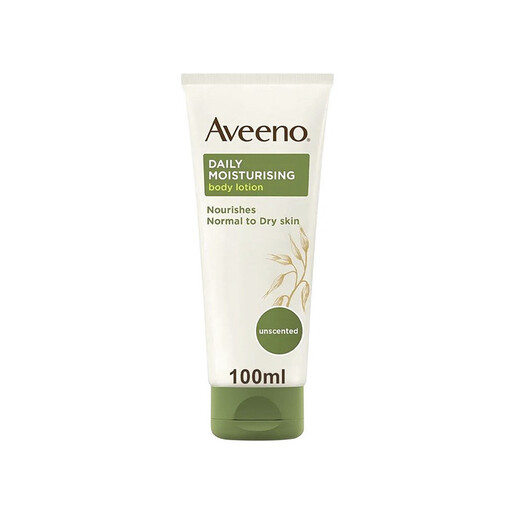
Why This Fits Their Persona: A compact option for trying a fragrance-free body lotion, keeping in a work bag or taking on UK trips without committing to a larger bottle.
The fragrance-free format avoids choosing scent as a substitute for a suitable formula, while the smaller size reduces waste if it does not suit your routine.
Contains colloidal oat, glycerin and petrolatum; listed as fragrance-free and suitable for normal to dry sensitive skin.
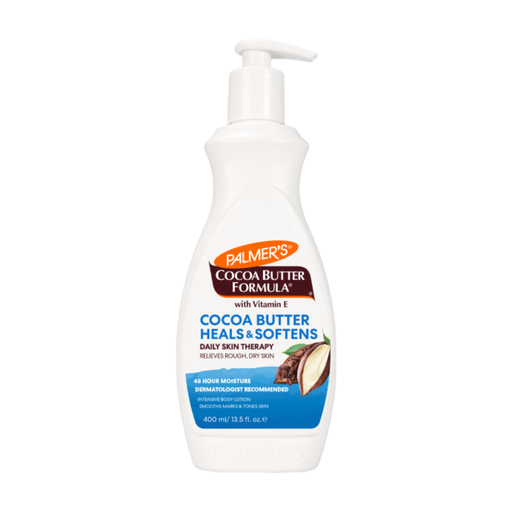
Why This Fits Their Persona: Suits shoppers who prefer a larger bottle and a rich cocoa butter formula for routine use on dry areas such as elbows, knees and hands.
The 400ml size makes the volume clear, while the ingredient list identifies cocoa butter, glycerin, petrolatum and fragrance for an informed choice.
Large 400ml format; includes cocoa butter and vitamin E; the listing states that it is free from parabens and phthalates.
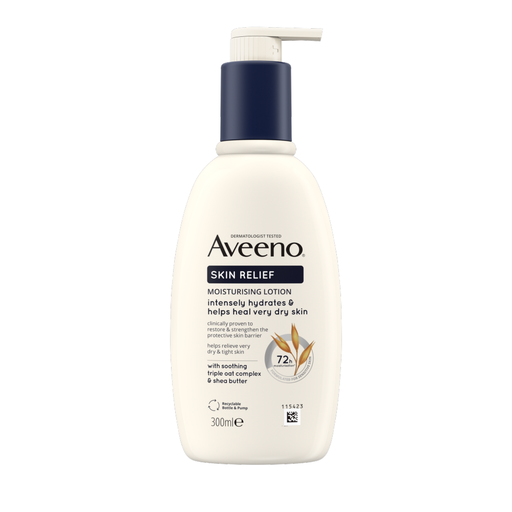
Why This Fits Their Persona: Designed for shoppers prioritising very dry or sensitive skincare and wanting a fragrance-free lotion for regular application.
It clearly identifies very dry skin and a fragrance-free format, reducing the risk of selecting a scented lotion when comfort is the priority.
Contains colloidal oatmeal; listed as fragrance-free, non-greasy and suitable for daily use on very dry, sensitive skin.
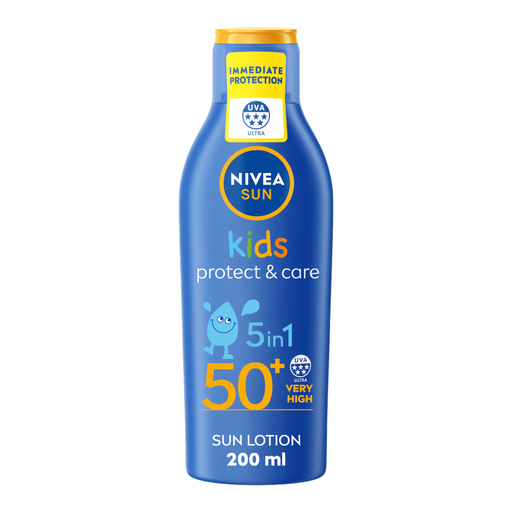
Why This Fits Their Persona: A practical choice for parents seeking high-factor sun protection for children aged 3 and above during outdoor play, holidays and family days out.
The SPF50+ rating and extra water-resistant description make its purpose clearer than using an ordinary body lotion in the sun.
SPF50+ UVA and UVB protection; extra water-resistant formula; listed as suitable for children aged 3 and above.
We have compiled a complete, real-time list of products that fully satisfy these strict selection criteria and UK safety regulations.
Most shoppers apply it once daily, often after showering or bathing. Very dry areas may need more frequent application, but follow the product directions and stop if irritation develops.
It can be, provided the formula matches your needs. Look for fragrance-free products with clearly stated skin-type guidance and review the ingredients for known sensitivities. “Dermatologist tested” is useful product information, but it is not a guarantee that every person will tolerate the formula.
Check the expiry information, batch details and period-after-opening symbol on the packaging. Store lotion in a cool, dry place, close the cap securely and avoid using it if the smell, colour or texture changes noticeably.