
24/7 Customer Support

Free returns

Same-day & Next-day Delivery

Quality Guaranteed

Unlock Your Welcome Offers: FREE Delivery | Up to 80% OFF | Free 30-day JoyPlus trial
Download the APP
Choosing a body lotion and moisturiser can seem straightforward until you compare ingredient lists, hydration claims, fragrance options and product sizes. A lotion that feels comfortable in summer may be too light for cold, windy UK weather, while a rich cream can leave clothing feeling greasy.
The right choice depends on your skin’s condition, your daily routine and how much product you realistically use. Before buying, watch for these common pitfalls.
Claims such as “48-hour”, “72-hour” or “up to 100 hours” hydration describe the brand’s stated or tested performance under particular conditions. They do not necessarily mean you can stop applying moisturiser whenever your skin feels dry.
Showers, swimming, cold weather, indoor heating and frequent hand washing can all affect how long skin feels comfortable. Treat long-lasting hydration as a comparison point rather than a guarantee that suits everyone.
A scented body cream may make your routine more enjoyable, but fragrance does not automatically indicate better moisturisation. If your skin is reactive, itchy or easily irritated, choose a fragrance-free body lotion where possible and check the full ingredient list.
Products containing parfum or fragrance allergens such as limonene, linalool, citronellol or benzyl alcohol may not suit everyone. Always check the current packaging, particularly if you have known allergies or sensitivities.
Terms such as “natural origin”, “botanical” and “inspired by nature” can describe only part of a formula. A nourishing body cream may still contain synthetic stabilisers, preservatives, fragrance or texture-enhancing ingredients. None of these automatically makes a product unsuitable, but the ingredient list gives a more useful picture than front-label wording.
For normal or mildly dry skin, a lightweight hydrating body lotion may absorb quickly after a morning shower. For rough, tight or flaky skin, look for a richer body cream containing ingredients such as:
Those searching for a body moisturiser for very dry skin may prefer a cream or intensive lotion rather than a thin body milk.
A sensitive skin body lotion should be assessed by its complete label rather than by the word “gentle” alone. Fragrance-free options can be useful if perfume is a concern. Colloidal oatmeal, glycerin, petrolatum and dimethicone are common ingredients in products designed for dry or sensitive-feeling skin.
“Hypoallergenic”, “dermatologist tested” and similar descriptions are not a substitute for reading the ingredients. Patch-test a small amount first and stop using the product if irritation or a rash develops. Body products are intended for external use and should not normally be applied to the face unless the packaging specifically says so.
A 400ml pump bottle may offer better convenience for full-body use, while a 75ml or 100ml container is easier to carry or trial. Tubs can work well for rich creams but require clean, dry hands to reduce contamination during use.
For regular application, use moisturiser after bathing or showering while skin is clean and slightly damp. This can make spreading easier and may help reduce the amount needed. The product label remains the correct source for directions, warnings, shelf-life and updated ingredients.
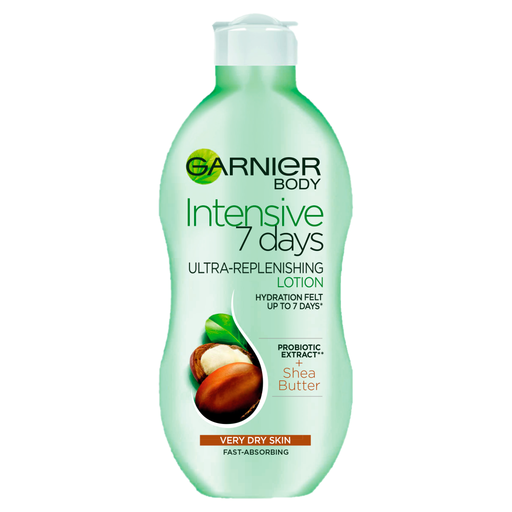
Why This Fits Their Persona: The 400ml size is practical for everyday full-body use, particularly after showers during colder UK months.
Its ingredient list clearly includes glycerin, mineral oil, dimethicone and shea butter, so shoppers can assess the moisturising base beyond the “7 Days” name.
Shea butter; fast-absorbing, non-greasy texture; Leaping Bunny approval stated by the manufacturer.
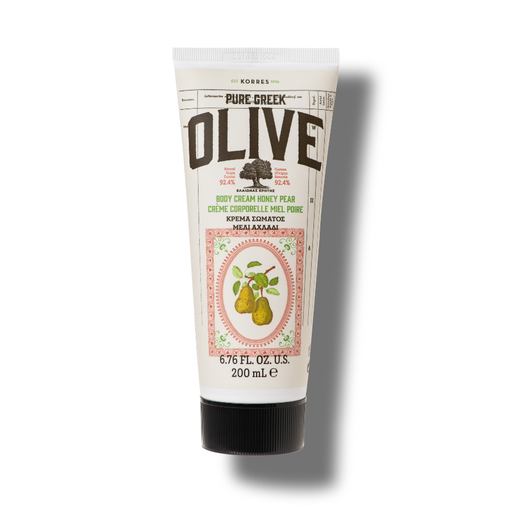
Why This Fits Their Persona: A smaller cream format suits shoppers who value a richer, sensory routine and attractive bathroom presentation.
The product details specify its fragrance, silicone-free formula and vegan-friendly, cruelty-free positioning, helping you judge whether it matches your preferences.
Contains olive oil, almond oil and shea butter; dermatologically tested according to the product information.
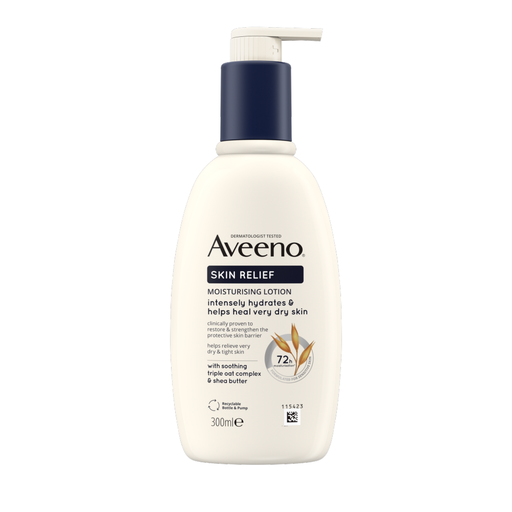
Why This Fits Their Persona: It is aimed at very dry, sensitive-feeling skin and works well for daily use on areas such as elbows, knees and hands.
It is fragrance-free, and the listed formula identifies colloidal oatmeal, glycerin, petrolatum and dimethicone rather than relying only on broad soothing language.
Colloidal oatmeal; fragrance-free formula; non-greasy texture stated in the product details.
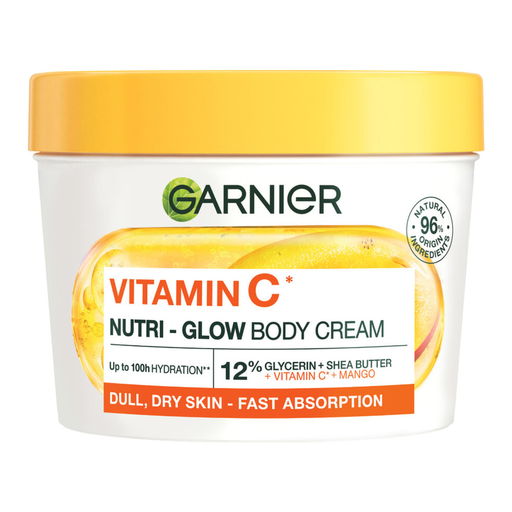
Why This Fits Their Persona: The tub format and fruit-inspired formula suit shoppers looking for a richer cream for dry, dull-looking skin.
The listing specifies 96% natural-origin ingredients and no animal-derived ingredients or by-products, while still showing the complete formula for review.
Contains shea butter, mango extract and a vitamin C derivative; vegan and cruelty-free credentials are stated in the product information.
We have compiled a complete, real-time list of products that fully satisfy these strict selection criteria and UK safety regulations.
Apply body lotion within a few minutes of bathing, especially when the skin is still slightly damp. Start with a modest amount and add more only to rough areas. Knees, elbows, shins and hands often need extra attention.
A lightweight lotion can be convenient during the day, while a richer cream may be more comfortable at night or during winter. If you are using a product with exfoliating ingredients such as PHA, follow the label directions and consider daytime sun protection on exposed skin.
“Body moisturiser” is a broad term covering lotions, creams, milks and butters. A lotion usually has a lighter texture and higher water content, while a cream or butter is generally richer. Choose based on dryness, absorption preference and how often you will apply it.
There is no single lifespan for every product. Check the packaging for the open-jar symbol, expiry information, batch details and storage instructions. Keep the lid or pump clean, close the container after use and avoid storing it in excessive heat or direct sunlight.
Fragrance-free products can reduce exposure to perfume ingredients, which may be useful for sensitive or reactive skin. However, “fragrance-free” does not guarantee that a product will suit every person. Review the full ingredient list, patch-test first and discontinue use if irritation occurs.