
24/7 Customer Support

Free returns

Same-day & Next-day Delivery

Quality Guaranteed

Unlock Your Welcome Offers: FREE Delivery | Up to 80% OFF | Free 30-day JoyPlus trial
Download the APP
A good body moisturiser should fit your skin type, routine and budget—not simply promise impressive results on the front of the packaging. UK shoppers face several common traps, including choosing a product that feels luxurious but does not suit their dryness, paying more for fragrance than formulation, or treating a short-term cosmetic claim as a guaranteed result.
This guide explains what to check before buying a body lotion, body cream or moisturising body cream, followed by suitable options for different shopping priorities.
Claims such as “48-hour” or “100-hour” hydration describe the product’s stated performance under particular assessment conditions. They do not mean you will never need to reapply, especially after washing, exercise or exposure to cold, dry air.
For practical use, consider whether the formula is comfortable enough for daily application. A fast-absorbing hydrating body lotion may be easier to use after a morning shower, while a rich body cream can be more suitable for rough elbows, knees and very dry areas.
Light lotions often spread quickly and work well for normal skin or people who dislike a greasy finish. Creams and body butters usually contain a richer blend of emollients and oils, which can feel more nourishing on dry or very dry skin.
However, “rich” does not automatically mean more suitable. A heavily fragranced formula may not be comfortable for sensitive users, while a dense cream may be inconvenient if you need to dress immediately after applying it.
Terms such as vegan body lotion and cruelty-free body moisturiser can help narrow your choices, but they do not tell you whether the scent, texture or preservative system suits your skin. Check the full ingredient list and the label’s usage advice.
Under UK cosmetic product rules, products should carry appropriate ingredient and safety information. Claims used in advertising should also be presented responsibly under Advertising Standards Authority (ASA) principles. If you have a known allergy or reactive skin, patch-test a new product and stop using it if irritation develops.
A shea butter body cream can feel protective and nourishing, while a hyaluronic acid body lotion is generally associated with a lighter, moisture-focused texture. Neither ingredient alone guarantees a particular result, so assess the complete formulation.
Q10, vitamin C, aloe vera, mango extract and plant oils are common features in body-care products. A Q10 body lotion may appeal to shoppers seeking a firming-focused routine, but cosmetic “firming” descriptions should be understood as appearance or skin-feel claims rather than medical outcomes.
Similarly, “natural origin” percentages vary according to how ingredients are classified. Use the percentage as one comparison point, not as a substitute for checking texture, fragrance, size and suitability.
A 625ml pump bottle may be convenient for regular full-body use and reduce how often you need to reorder. A 75ml tube is easier to carry when travelling but may cost more per application. Tubs can make it simple to scoop out a generous amount, although clean, dry hands are preferable.
Compare price per 100ml, not only the shelf price. Also check whether the product is designed for daily use, whether it contains fragrance, and whether the packaging provides the latest ingredient and shelf-life information.
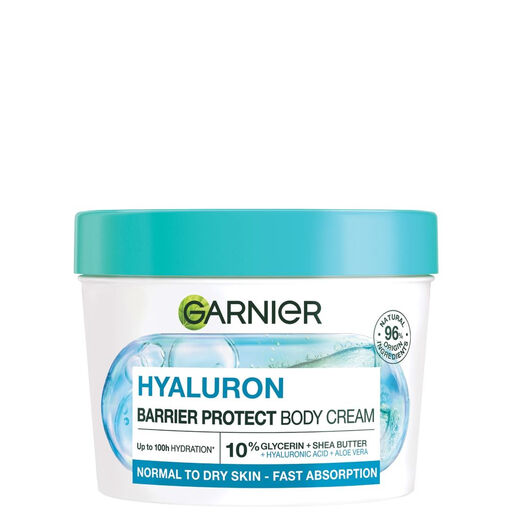
Why This Fits Their Persona: The 380ml tub offers a practical quantity for regular full-body use, with a fast-absorbing texture suited to busy morning routines. Its vegan formula may appeal to shoppers who want a straightforward everyday option.
The product details identify its intended use for normal to dry skin and list aloe vera, glycerin, shea butter and sodium hyaluronate. Check the fragrance listing if you prefer unscented care.
380ml size; vegan formula; approved by Cruelty Free International under the Leaping Bunny Programme, according to the product information.
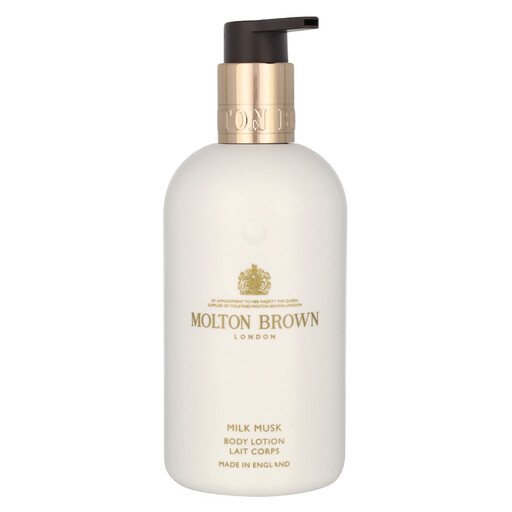
Why This Fits Their Persona: Suitable for shoppers who view fragrance as part of their body-care routine and prefer a UK-made lotion with a distinctive scent profile.
Its fragrance is clearly described as Milk Musk, with pear, peach, musk, cedarwood and tonka bean notes. This helps shoppers assess scent preference before ordering.
Contains shea butter, macadamia seed oil and sodium hyaluronate; the product information describes it as cruelty-free and made in the UK.
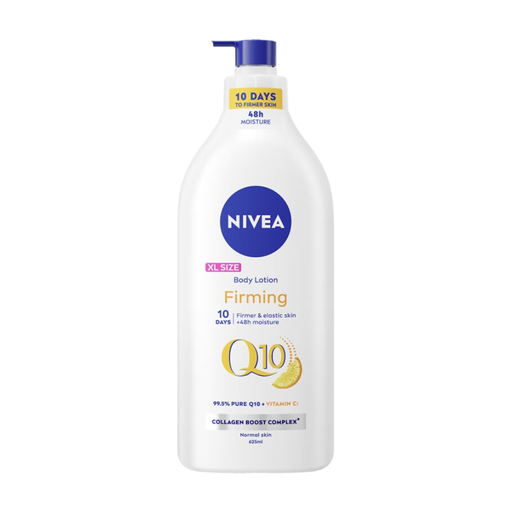
Why This Fits Their Persona: The larger bottle is practical for shoppers applying lotion daily across the body, particularly those comparing firming-focused products for normal skin.
The product clearly identifies its Q10 and vitamin C ingredients, 625ml volume and light texture. Treat the listed firmness timeline as a product claim, not a guaranteed outcome.
625ml pump bottle; Q10 and sodium ascorbyl phosphate listed; product information states up to 72 hours of moisture.
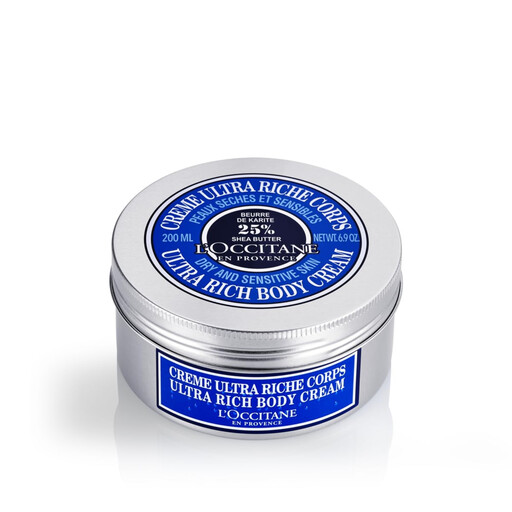
Why This Fits Their Persona: A rich, shea butter-led formula suits shoppers who want intensive-feeling care for dry areas during colder UK weather or after bathing.
The ingredient list places shea butter near the beginning and also includes glycerin, sunflower seed oil, sodium PCA and beta-glucan. It does contain fragrance, so check suitability before use.
Ultra-rich cream texture; 200ml size; designed for dry and sensitive body skin according to the supplied product description.
We have compiled a complete, real-time list of products that fully satisfy these strict selection criteria and UK safety regulations.
A body cream is usually thicker and may feel more nourishing, while body lotion spreads and absorbs more easily. For dry skin, choose based on both ingredients and how consistently you will use it. A lighter product applied daily can be more practical than a rich cream that feels uncomfortable.
Shelf life varies by product and packaging. Check the label for the open-jar symbol, expiry information and storage instructions. Keep the container closed and store it away from direct sunlight and excessive heat. Replace it if the smell, colour or texture changes noticeably.
Most body lotions and creams are designed for regular use, often once daily or after bathing. Follow the product directions, avoid eye contact and discontinue use if irritation occurs. Fragranced products may be less suitable if your skin reacts to perfume, so review the ingredient list before purchase.