
24/7 全天候客户支持

免费退货

当日/次日达

品质保障

开启新人专享福利: 全场免邮 | 低至 2 折 | 免费试用 30 天 JoyPlus 会员
下载 Joybuy
As a Joybuy Product Recommendation Officer, my role is to help you navigate the crowded market of skincare. The allure of a good body oil is undeniable—it promises glowing, supple and deeply nourished skin. Yet, the path to finding the right one is often slippery, paved with marketing jargon and products that don't live up to their claims. Many UK shoppers find themselves with a bottle that feels greasy, offers little real hydration, or simply isn't suited to their skin type.
This guide cuts through the clutter. We will look at the common pitfalls to avoid and the key factors to check before you buy, ensuring your money is well spent on a product that delivers genuine comfort and radiance.
Before adding a product to your basket, be aware of these frequent issues that can lead to disappointment:
natural body oil may contain a high percentage of inexpensive filler oils (like mineral oil) with only a trace amount of the beneficial botanical extracts highlighted on the label. This often provides a barrier but little in the way of true skin nourishment.fast absorbing body oil or dry body oil depends on a carefully balanced formulation of lightweight oils, not just a hopeful marketing claim.stretch mark oil can help improve skin's elasticity and may reduce the appearance of new marks, it is a cosmetic product, not a medical treatment. It's important to have realistic expectations about what any topical oil can achieve.To make an informed choice, focus on these three non-negotiable factors.
The foundation of any body oil is its base. Understanding the difference is crucial for matching a product to your needs.
nourishing body oil and are excellent for addressing concerns like dryness and texture.baby oil. It is an occlusive, meaning it forms a protective barrier on the skin's surface to prevent moisture loss. While effective for this purpose and generally non-irritating, it does not offer the same nutritional benefits as plant oils.How an oil feels on your skin is a primary concern. The texture and absorption rate are determined by the types of oils used.
body moisturiser.The "extra" ingredients can make or break a product, especially if you have reactive skin.
body oil for sensitive skin, always check the full ingredients list. Look for products labelled 'hypoallergenic' and 'dermatologically tested'. Calming ingredients like oat oil and chamomile can be beneficial, while high concentrations of certain essential oils or synthetic fragrances can be potential irritants.baby oil should be exceptionally gentle. Look for paediatrician-approved formulas that are free from common allergens, dyes and harsh chemicals.Based on these practical criteria, here are a few options from our catalogue, matched to different user needs and preferences.
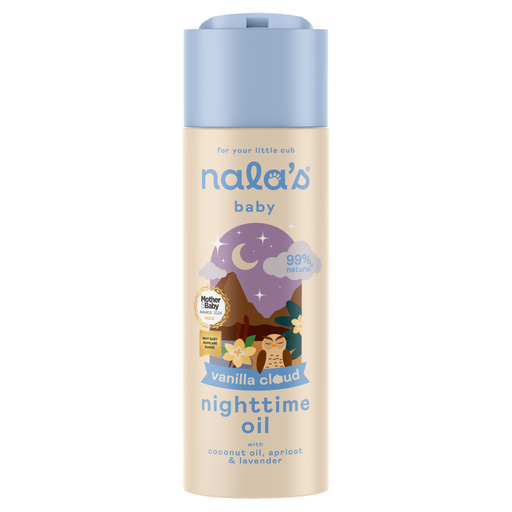
Why This Fits Their Persona: This is an excellent choice for new parents seeking a gentle, trustworthy oil for their baby's delicate skin, or for adults with highly sensitive or eczema-prone skin who need a pure and simple moisturiser.
It sidesteps the "natural illusion" by being 99% naturally derived with a transparent ingredient list of nourishing oils like apricot and coconut. Its suitability for newborns is backed by paediatrician and dermatologist approval.
Features an allergen-free fragrance and is suitable for skin prone to eczema. The formula is vegan, cruelty-free and free from common irritants like alcohol and parabens.
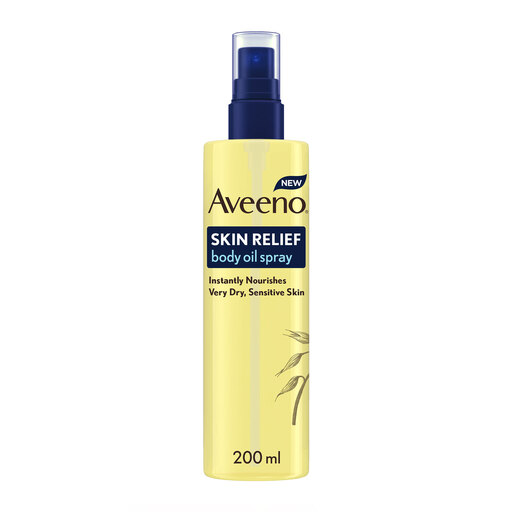
Why This Fits Their Persona: This is for the practical individual who needs a no-fuss, effective solution for very dry skin. The spray makes it a perfect after shower body oil for quick, even application when you're short on time.
It directly addresses the greasy finish trap. The formula is specifically designed to be a fast absorbing body oil, leaving a silky feel rather than a sticky residue, making it comfortable for immediate dressing.
The formula contains oat oil and jojoba oil, ingredients rich in lipids and fatty acids that help restore the skin's natural barrier. It is also hypoallergenic and suitable for sensitive skin.
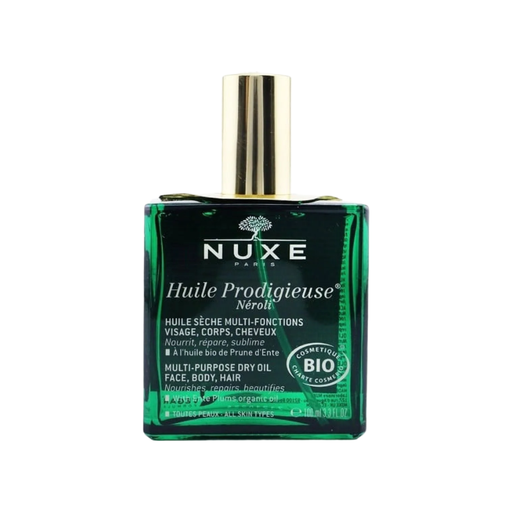
Why This Fits Their Persona: For the discerning user who appreciates a versatile, high-quality product that can be used on the face, body and hair. It offers a moment of luxury in a daily routine with its refined texture and scent.
This is the definition of a true dry body oil. It absorbs almost instantly, leaving a beautiful satin sheen without any stickiness. Its value is in its blend of organic Ente plum and sesame oils, not just marketing.
A multi-purpose oil that nourishes face, body and hair. The formula is 100% natural origin, vegan and features a sophisticated, calming scent of neroli.
We have compiled a complete, real-time list of products that fully satisfy these strict selection criteria and UK safety regulations.
It depends on the oil and your skin type. Many multi-purpose oils, like the Nuxe option above, are formulated to be non-comedogenic (won't clog pores) and are safe for facial use. However, if you have acne-prone or very oily skin, it's wise to choose an oil specifically designed for the face or to patch-test first. Avoid applying heavy, pore-clogging oils to your face.
The main difference lies in their composition. A body lotion is an emulsion of oil and water, making it lighter and primarily hydrating. A body oil is purely lipid-based, making it more effective at nourishing the skin and locking in moisture by forming a protective barrier. Lotions provide a dose of water-based hydration, while oils seal that hydration in.
For the most effective results, apply your body oil to damp skin, ideally right after a bath or shower. The water on your skin helps the oil spread more easily and, more importantly, the oil then traps that moisture, preventing it from evaporating. This leaves your skin feeling softer and more hydrated for longer than if applied to completely dry skin.