
24/7 Customer Support

Free returns

Same-day & Next-day Delivery

Quality Guaranteed

Unlock Your Welcome Offers: FREE Delivery | Up to 80% OFF | Free 30-day JoyPlus trial
Download the APP
Body oil can make a noticeable difference to the feel and appearance of dry, rough or dull skin, but choosing one is not simply a matter of picking the most attractive bottle. Texture, ingredients, fragrance and intended use all affect whether a product fits your routine.
For UK shoppers, the right body oil should work with your lifestyle: a quick-absorbing dry body oil for mornings, a richer moisturising body oil for winter dryness or a multi-purpose beauty oil for skin, hair and massage.
A natural body oil may contain botanical oils, essential oils or fragrance components that do not suit every user. Organic castor oil, almond oil, argan oil and plant extracts can all be useful in cosmetic routines, but individual sensitivities still matter.
Check the full INCI ingredient list rather than relying only on front-of-pack terms such as “natural”, “pure” or “plant-based”. Fragrance allergens may be listed separately, including limonene, linalool, citronellol and geraniol.
“Dry oil” describes how the product feels and absorbs; it does not automatically indicate how nourishing it will be. Lightweight formulas often spread quickly and leave less residue, while richer oils may feel more protective on very dry areas.
If you dislike sticky finishes, look for a lightweight non-greasy body oil and apply a small amount to slightly damp skin after bathing. If your skin feels persistently tight or flaky, a richer nourishing body oil may be more appropriate.
Terms such as “firming”, “glowing” and “anti-stretch mark” describe intended cosmetic use, not guaranteed outcomes. A body oil can soften the feel of skin and improve its surface appearance, but it cannot promise to remove marks or change skin structure.
For targeted products, check the directions carefully and use them consistently as instructed. Always follow the packaging rather than assuming that a facial or body oil can be used on every area.
Compare the first several ingredients. Oils such as sweet almond, macadamia, sunflower, argan, avocado and rosehip are commonly used as emollients to help soften the skin’s surface. Castor oil is notably thicker and may be more suitable for cuticles, beard care or targeted dry patches than for users wanting an ultra-light finish.
For daytime use, a dry oil or face and body oil with a quick-absorbing base can work well beneath clothing. Shimmering body oil usually contains mica or other pearlescent particles, so shake the bottle before application and consider whether you want visible radiance.
Fragrance can make daily use more enjoyable, but it may not suit reactive or fragrance-sensitive skin. Products containing essential oils, perfume or known fragrance allergens deserve extra attention.
Apply a small amount to a discreet area first, particularly if you have previously reacted to cosmetic products. Stop use if irritation occurs. Do not apply body oil to broken, inflamed or damaged skin, and avoid contact with the eyes.
A 50ml bottle may be convenient for travel or occasional highlighting, while 100ml to 125ml formats are more practical for regular full-body use. A 250ml bottle can suit shoppers who also want to use oil on hair, beard, nails or cuticles.
UK cosmetic packaging should provide important information such as ingredients, nominal content, batch details and warnings. Formulas and packaging can change, so check the product label supplied with your order before use.
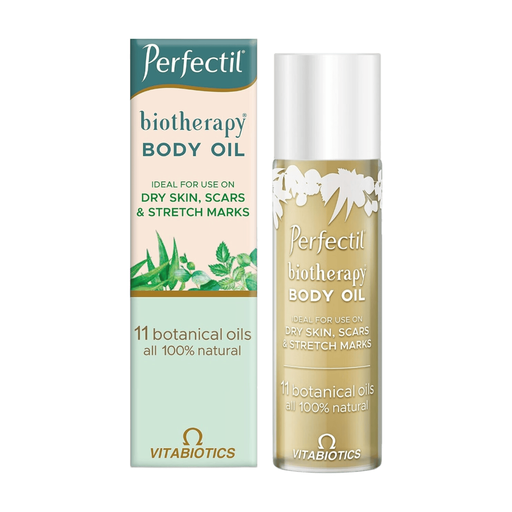
Why This Fits Their Persona: A practical starting point for shoppers wanting a larger format for regular full-body moisturising and massage.
Its 125ml size is suited to repeated body use, while the instructions focus on applying a measured amount rather than overusing the formula.
Contains avocado, olive, coconut, wheat germ, macadamia and argan oils, plus vitamin E and calendula extract.
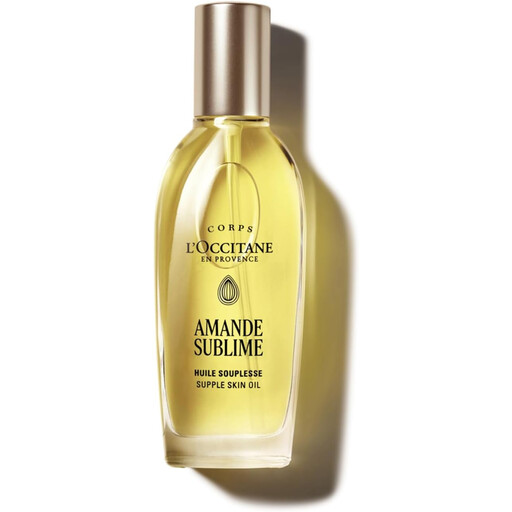
Why This Fits Their Persona: Suitable for a considered daily body-care ritual, particularly after a shower when skin feels dry or tight.
The ingredient list is available for checking, including sweet almond oil, camelina oil, rosehip oil and sea buckthorn oil, rather than relying only on promotional wording.
Lightweight texture; designed for full-body application; contains sweet almond oil as a prominent listed ingredient.
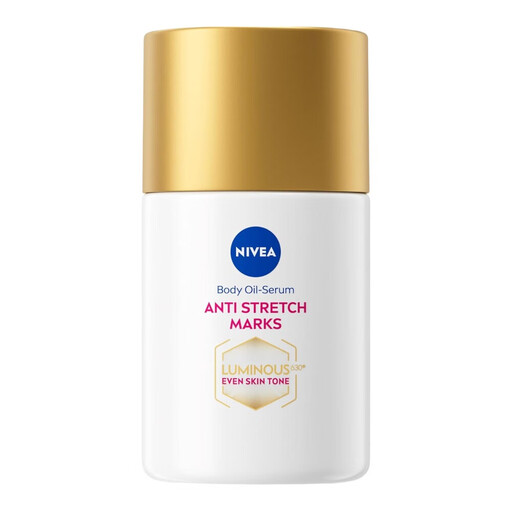
Why This Fits Their Persona: A targeted choice for shoppers specifically seeking an anti-stretch mark body oil for areas prone to visible marks.
Its directions specify regular use with a pinch massage, helping users understand the required routine instead of expecting an instant transformation.
100ml oil-serum format; contains vitamin E, sunflower seed oil and Luminous630 as listed on the product information.
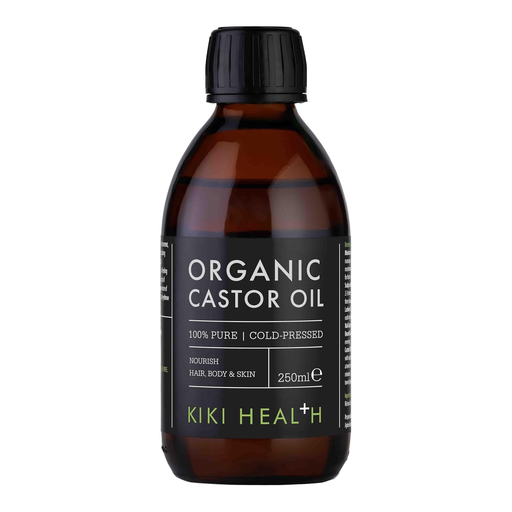
Why This Fits Their Persona: A larger-format option for users who want one oil for selected skin, scalp, hair, beard, nail and cuticle routines.
The formula is clearly identified as one ingredient: organic, cold-pressed, unrefined castor oil, making it easier to assess against fragrance preferences.
250ml amber-glass format; listed as free from added fragrance and preservatives; suitable for several external grooming uses.
We have compiled a complete, real-time list of products that fully satisfy these strict selection criteria and UK safety regulations.
Neither format suits every user. Lotion usually contains water and may feel lighter, while body oil is primarily designed to soften the skin’s surface and reduce a dry, tight feel. Oil can be applied after lotion to help create a more comfortable finish, but avoid layering several fragranced products if your skin is sensitive.
Usage depends on the bottle size, application area and frequency. A 100ml bottle may last several weeks when used sparingly on selected areas, while a 125ml or 250ml format is more practical for frequent full-body use. Use the minimum amount needed to cover the skin evenly.
Many body oils are suitable for massage, provided the label indicates external body use. Test the formula on a small area first, particularly when it contains fragrance or essential oils. If you are looking specifically for a massage-friendly format, browse the body oil for massages category and compare texture, size and ingredients before ordering.