
24/7 Customer Support

Free returns

Same-day & Next-day Delivery

Quality Guaranteed

Unlock Your Welcome Offers: FREE Delivery | Up to 80% OFF | Free 30-day JoyPlus trial
Download the APP
Choosing between body sprays and fragrance mists can be confusing. Some products add scent without providing sweat protection, while others are designed for underarms and odour control. Packaging may also highlight fragrance intensity, moisturising ingredients or protection hours without making the difference between a perfume mist, deodorant spray and antiperspirant immediately clear.
Before buying, check what the product is actually designed to do, how much it contains and whether the format suits your routine. The following guide explains the main buying traps and highlights suitable options for different UK shoppers.
A women’s body spray, men’s body spray or perfume mist is primarily intended to add fragrance. It may make you smell fresher, but it should not automatically be treated as an antiperspirant.
A deodorant spray is generally designed to help manage body odour, whereas an antiperspirant spray uses an aluminium-based active ingredient to reduce perspiration. If sweat control matters during commuting, exercise or long shifts, check the label for “antiperspirant” rather than relying on the scent description.
Fragrance longevity depends on the formula, concentration, application area, skin type and daily activity. A fragrance body spray may need reapplication, while a perfume mist can feel more concentrated and noticeable.
Product descriptions may use phrases such as “all-day freshness” or “long-lasting”. Treat these as product positioning unless the pack provides clear usage information. A larger can may offer more applications, but it does not necessarily mean a stronger fragrance.
Many body sprays and deodorants use pressurised, extremely flammable aerosol packaging. They should be used in a well-ventilated area, kept away from heat and flames, and never sprayed near the eyes or onto broken skin.
If your underarms are sensitive after shaving, look for features such as alcohol-free formulas, moisturising ingredients or skin compatibility information. Stop using any product that causes irritation or a rash.
First, decide whether you need:
A fragrance mist is generally applied to pulse points or the body, while an antiperspirant should be applied to clean, dry underarms according to the label.
Size affects both convenience and value. A 75ml Impulse body spray can fit into a handbag, gym bag or travel pouch. A 150ml can offers a balance between portability and regular use, while 200ml to 250ml formats are more suitable for home storage or frequent application.
Aerosols may be subject to airline and transport restrictions, so check the relevant carrier rules before packing one for air travel. A smaller non-aerosol mist can be easier to carry, but always confirm the product’s travel suitability.
Consider the scent family before purchasing:
Ingredient lists can change, so check the packaging before use, particularly if you avoid specific fragrance allergens. Products containing alcohol or fragrance may not suit every skin type.
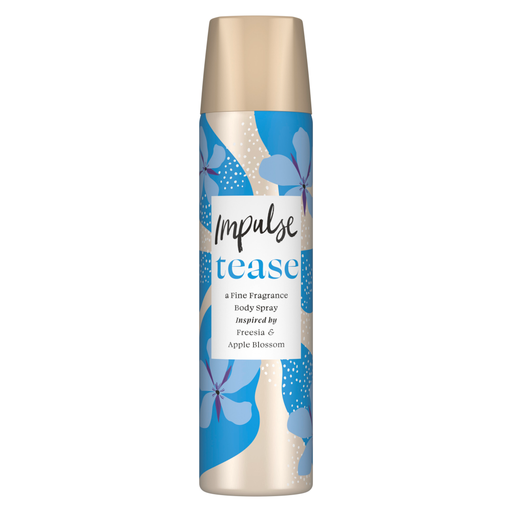
Why This Fits Their Persona: The compact 75ml size suits shoppers trying a new everyday scent, carrying a spray in a handbag or refreshing after a commute.
Its clear body-spray format helps distinguish fragrance refreshment from antiperspirant protection. The label advises short bursts from approximately 15cm in a well-ventilated area.
Apple blossom, freesia, vanilla and sandalwood notes; dermatologically tested according to the supplied product information.
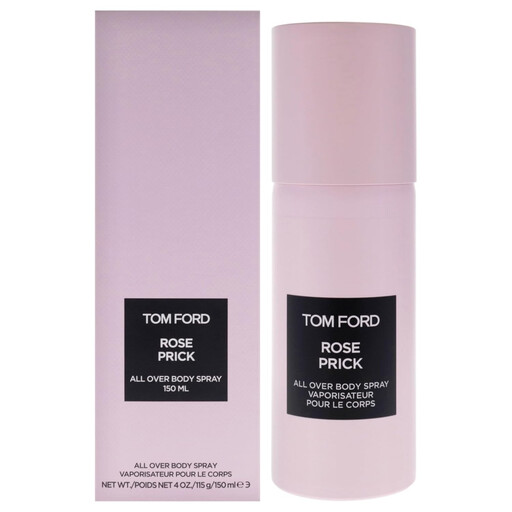
Why This Fits Their Persona: A 150ml premium fragrance format suits shoppers who want a distinctive scent for evenings, occasions or a considered daily fragrance wardrobe.
The listed fragrance notes provide a clearer picture than a vague “premium” claim: Sichuan pepper and turmeric lead into May, Bulgarian and Turkish rose, with patchouli and tonka bean.
All-over body spray format; floral, warm-spicy and woody profile with a moderate fragrance character listed in the product information.
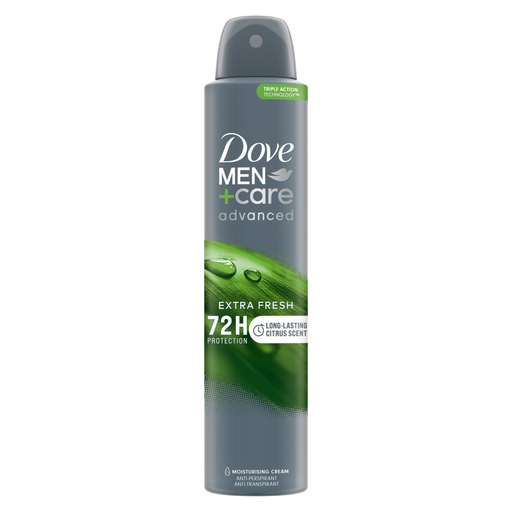
Why This Fits Their Persona: The 200ml antiperspirant format is suited to frequent users who prioritise sweat and odour control for workdays, travel or active routines.
It is clearly labelled as an antiperspirant aerosol, so shoppers seeking sweat control are not relying on fragrance alone. The directions specify two or three short bursts per underarm.
The product information states up to 72-hour sweat and odour protection, plus moisturising cream and a citrus fragrance.
We have compiled a complete, real-time list of products that fully satisfy these strict selection criteria and UK safety regulations.
Follow the instructions printed on the can or bottle. For aerosol products, shake well, hold the container around 15cm from the body, and spray in short bursts. Use only in a well-ventilated space and avoid deliberate inhalation.
Apply antiperspirant to clean, dry underarms rather than using it as a general perfume. Apply perfume mist to pulse points such as the wrists, neck or behind the ears, and allow it to dry naturally. Keep all aerosol products away from sunlight, heat, sparks and open flames, and do not expose them to temperatures above 50°C where stated on the packaging.
No. A body spray or perfume mist mainly adds fragrance and may help mask odour. An antiperspirant spray is designed to reduce perspiration as well as manage odour. Check the product name and active ingredients before buying.
There is no fixed lifespan for every wearer. Fragrance concentration, skin type, weather, clothing and activity all affect how long the scent remains noticeable. Store the bottle or can in a cool, dry place and reapply only as directed or when desired.
Airline and airport rules vary by product type, container size and whether the item is carried in hand luggage or hold luggage. Check your airline’s current guidance before travelling. A 75ml product may be convenient, but it still needs to comply with the relevant liquid or aerosol rules.