
24/7 Customer Support

Free returns

Same-day & Next-day Delivery

Quality Guaranteed

Unlock Your Welcome Offers: FREE Delivery | Up to 80% OFF | Free 30-day JoyPlus trial
Download the APP
Choosing body wash and shower gel in the UK can seem straightforward until you compare moisturising formulas, sensitive skin products, specialist washes and multi-purpose cleansers. A low price does not always mean good value, while a long ingredient list or attractive “natural” claim may not suit your skin.
The practical approach is to match the formula to your skin, check the product’s intended use and assess how much you receive for the price. The following guide highlights common buying traps and our top recommendations for 2026.
A product may contain glycerin, plant-based moisturisers or oils yet still include fragrance or stronger cleansing agents that some dry or reactive skin types may not tolerate. Look beyond the front label and check whether the formula is fragrance-free, soap-free, sulphate-free or designed as a dry skin shower cream.
For very dry skin, an emollient wash may be more appropriate than a conventional foaming gel. However, emollient products can make the bath or shower floor slippery, so follow the packaging instructions carefully.
A vegan body wash can be a suitable ethical choice, but vegan status does not automatically mean fragrance-free or suitable for sensitive skin. Botanical extracts and essential oils can still be unsuitable for some users. If your skin is reactive, prioritise the formula’s intended use and your own known triggers.
A 3-in-1 men's body wash may save space in a gym bag, but face and scalp skin can have different needs from the body. Similarly, an intimate wash is intended for external intimate skin only, while antibacterial hand wash should be reserved for hands. A dedicated face wash cleanser may be more comfortable if a regular body wash leaves your face feeling tight.
For normal skin, a standard shower gel with a comfortable fragrance may be sufficient. If you experience tightness after showering, consider a moisturising body wash containing glycerin or emollient ingredients.
For sensitive, reactive or atopic-prone skin, look for:
Patch-testing a new product on a small area can help you identify possible irritation. Stop using it if redness, burning or a rash develops. For persistent or severe symptoms, speak with a pharmacist or GP.
Check whether the product is made for the body, face, hands or intimate area. A face cleanser normally uses a milder texture and may be labelled non-comedogenic or suitable for sensitive skin. An intimate wash should be pH-balanced, soap-free and used externally as directed.
For frequent handwashing, look for moisturising ingredients such as glycerin or aloe vera. Products marketed as antibacterial hand wash may display a bacteria-reduction claim on the packaging; follow the stated directions and wash hands thoroughly, including between the fingers and under the nails.
A 700ml or 720ml pump bottle can be practical for a busy household, but a smaller 200–250ml product may be preferable for travel or for testing a new formula. Compare the price per 100ml rather than relying only on the shelf price.
Also check whether the bottle uses recycled plastic, is recyclable locally and has a secure pump or cap. These features can reduce inconvenience, although packaging claims should always be checked against the product label.
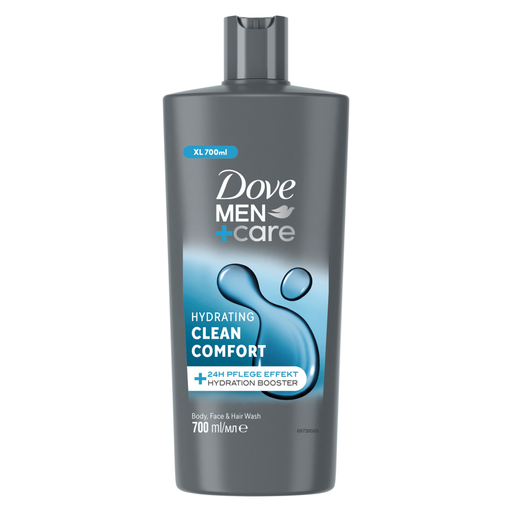
Why This Fits Their Persona: A large 700ml bottle suits shoppers who want one convenient product for the shower, gym bag or shared bathroom routine.
Its intended 3-in-1 use is clearly stated, helping avoid buying separate hair, face and body products when convenience is the priority.
700ml format; plant-based moisturisers; PETA cruelty-free certification stated in the product information.
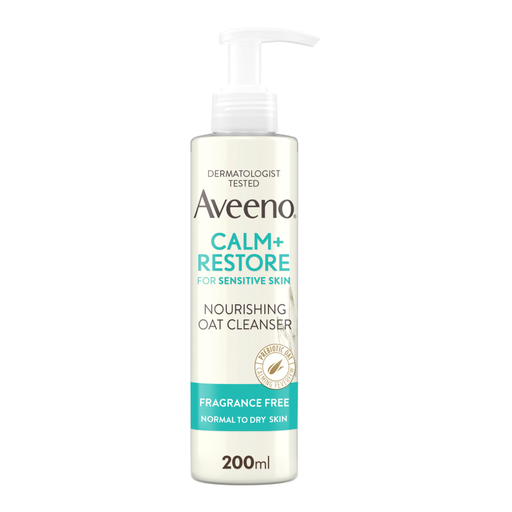
Why This Fits Their Persona: Designed for shoppers seeking a dedicated face cleanser with a milky gel-cream texture rather than a general body wash.
The product information specifies fragrance-free, alcohol-free, sulphate-free and dye-free formulation, making the selection criteria easier to verify.
Contains oat and feverfew; bottle includes 30% post-consumer recycled material and is recyclable according to the listing.
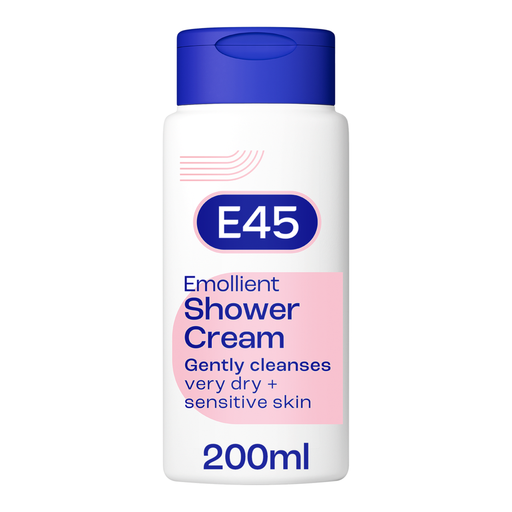
Why This Fits Their Persona: A practical choice for households prioritising a fragrance-free wash for very dry or sensitive skin.
It is labelled soap-free, detergent-free, fragrance-free and non-foaming, avoiding the assumption that more lather means a more suitable cleanse.
Emollient format; suitable for whole-family use from three months, as stated in the product information.
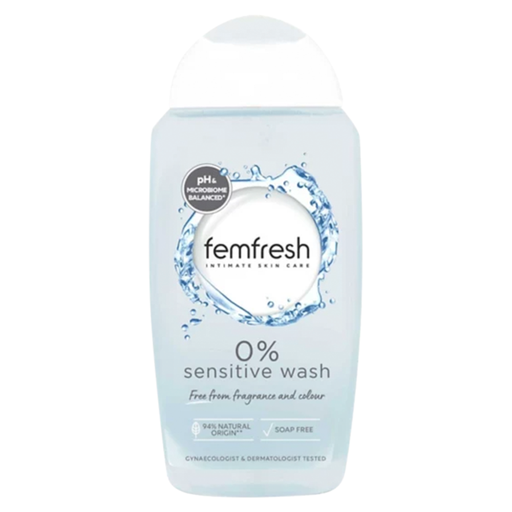
Why This Fits Their Persona: Suitable for shoppers looking for a dedicated external intimate wash rather than using ordinary shower gel for every area.
The label specifies external use, fragrance-free and soap-free formulation, helping prevent incorrect application of a general body wash.
pH-balanced; vegan formula; dermatologically and gynaecologically tested according to the product information.
We have compiled a complete, real-time list of products that fully satisfy these strict selection criteria and UK safety regulations.
Many body washes and shower gels are designed for daily use, but suitability depends on the formula and your skin. Use lukewarm rather than very hot water, avoid vigorous scrubbing and rinse thoroughly. If skin feels tight or irritated after washing, switch to a gentler or fragrance-free cleanser.
Body wash and shower gel are usually lighter, more fluid products that create some lather. A shower cream or emollient wash generally has a richer texture and may contain oils or occlusive ingredients intended to reduce moisture loss. These products may not foam significantly and can leave the shower surface slippery.
There is no fixed lifespan because usage varies by household size, pump amount and frequency of showers. A 700ml bottle will generally provide more applications than a 200ml bottle, but compare the price per 100ml and use only enough to cleanse the skin. Store the product as directed and check the packaging for batch, shelf-life and ingredient information before use.