
24/7 Customer Support

Free returns

Same-day & Next-day Delivery

Quality Guaranteed

Unlock Your Welcome Offers: FREE Delivery | Up to 80% OFF | Free 30-day JoyPlus trial
Download the APP
A body moisturiser can make skin feel softer and more comfortable, but choosing one is not always straightforward. Thick textures may feel nourishing yet remain greasy, while lightweight lotions can absorb quickly but leave very dry areas needing another application. Fragrance, packaging size and attractive ingredient claims can also distract from what matters during everyday use.
This guide explains the practical differences between a body lotion, body cream and body butter, highlights common shopping traps and matches a selection of products to different UK lifestyles and budgets.
A scented body cream may smell appealing, but fragrance does not indicate how effectively the formula moisturises. If your skin feels tight after bathing, check the ingredient list for humectants such as glycerin, emollients including plant oils and fatty alcohols and occlusive ingredients that help reduce moisture loss.
Fragrance ingredients can also be unsuitable for some sensitive users. Always check the current packaging for parfum and named fragrance allergens such as limonene, linalool or citronellol.
A body butter usually contains a higher proportion of oils and butters than a lotion, giving it a richer feel. However, texture preference affects whether you use it consistently. A heavy butter may be useful on heels, elbows and knees but inconvenient under clothing on a busy morning.
For daily full-body application, a hydrating body cream or nourishing body lotion may offer a more practical balance between comfort and absorption. Reserve an intensive body moisturiser for particularly dry patches or evening use.
Terms such as “24-hour hydration”, “barrier support” and “deep nourishment” describe a product’s intended positioning rather than a guarantee for every person. According to the product information, some formulas have been tested or designed for specific hydration claims, but individual results can vary with skin type, weather, bathing habits and application amount.
Treat “natural”, “vegan-friendly” and “dermatologist tested” as details to verify, not automatic indicators of suitability. Check the full ingredient list and certification information where relevant.
Applying moisturiser to slightly damp skin after a shower or bath can make spreading easier and help reduce the feeling of dryness. Allow richer formulas time to absorb before dressing.
For moisturiser for dry skin, look for a combination of:
Ingredient order can provide useful context, although it does not tell you exactly how a formula will feel. If you have allergies or intolerances, use the label supplied with the product as the final reference.
A 75ml or 30ml tube is convenient for travel or trial use, while 150ml to 500ml containers may offer better value for frequent application. Compare the price per 100ml rather than relying only on the shelf price.
Scent is another important practical consideration. Green tea, vanilla, floral and citrus fragrances can make a routine more enjoyable, but unscented or lightly fragranced options may be preferable if you are sensitive to perfume. Packaging claims, such as recycled or recyclable materials, should also be checked against the product description and current pack.
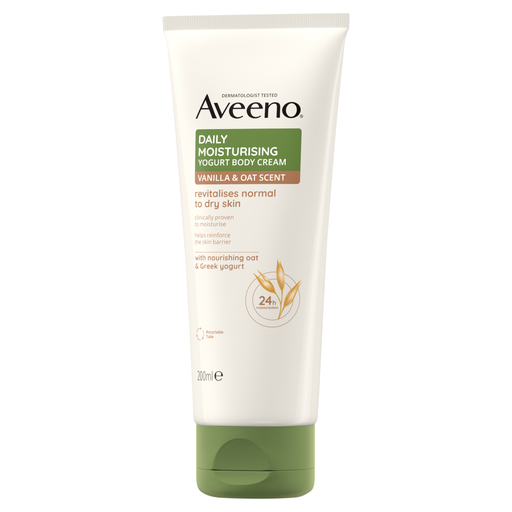
Why This Fits Their Persona: A 200ml format suits regular body care without committing to a premium-sized tub, with a vanilla and oat scent for shoppers who enjoy fragranced products.
Its listed formula includes glycerin, petrolatum, dimethicone and oat flour, so the selection is based on formulation details rather than scent alone.
200ml tube; contains oat flour and Greek yoghurt extract; product information describes dermatologist testing.
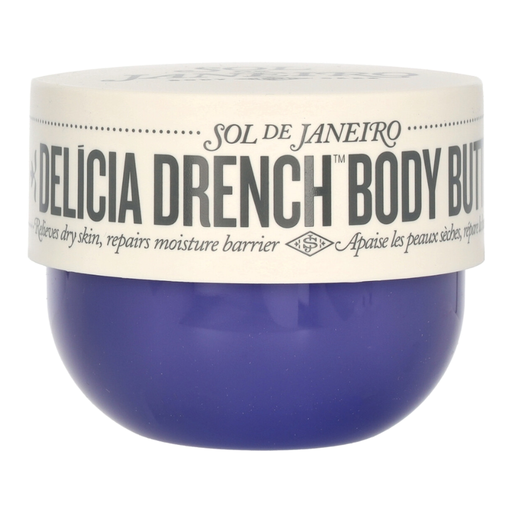
Why This Fits Their Persona: The larger jar and whipped butter texture suit shoppers seeking a sensorial, fragranced evening routine for dry-feeling skin.
The product details identify the texture and key emollients, including shea, coconut, cupuaçu and bacuri butters, rather than relying only on luxury positioning.
240ml size; whipped texture; includes glycerin, squalane and sodium hyaluronate; listed as vegan-friendly.
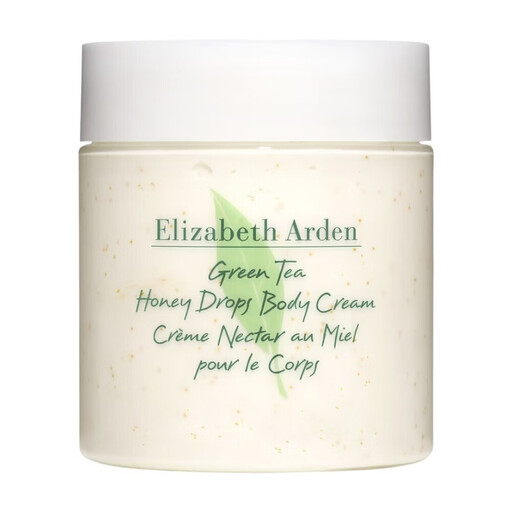
Why This Fits Their Persona: The 500ml tub is suited to frequent, generous application across the body, particularly after showers during colder UK weather.
The visible honey drops are a texture feature, while the formula also lists glycerin, mineral oil, shea butter and caprylic/capric triglyceride.
500ml format; rich cream texture; refreshing green tea fragrance; designed for use after bathing.
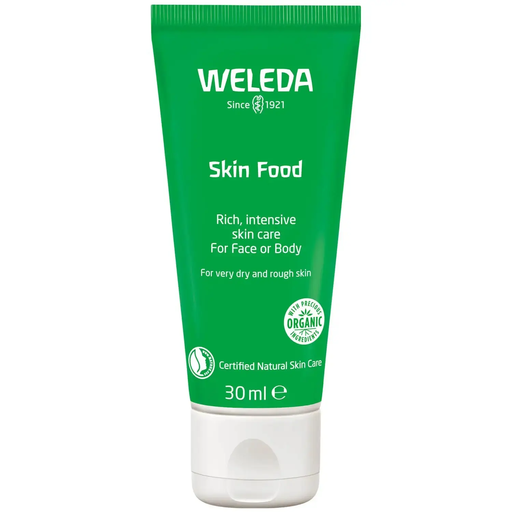
Why This Fits Their Persona: A compact option for hands, feet, elbows and other rough-feeling patches, especially when you want a small tube for a handbag or travel.
Its small size encourages targeted use rather than paying for a large tub that may not suit your preferred rich texture.
30ml tube; suitable for face and body according to the product description; contains sunflower oil, lanolin, beeswax and glycerin.
We have compiled a complete, real-time list of products that fully satisfy these strict selection criteria and UK safety regulations.
Neither is automatically suitable for everyone. Body butter generally feels richer and may suit very dry-feeling areas, while body cream is often easier to spread over the whole body. Choose based on the ingredient list, finish and how regularly you will use it.
Shelf life depends on the formula, storage conditions and how often it is opened. Follow the open-jar symbol and expiry guidance on the packaging. Keep the container closed, store it in a cool, dry place and avoid introducing water into a jar.
Set a price per 100ml and compare it with the texture and ingredients you actually need. A larger 500ml cream may be economical for daily use, whereas a 30ml intensive cream can be sensible for targeted areas or travel. Always check the latest product label, warnings and ingredients before purchase.