
24/7 Customer Support

Free returns

Same-day & Next-day Delivery

Quality Guaranteed

Unlock Your Welcome Offers: FREE Delivery | Up to 80% OFF | Free 30-day JoyPlus trial
Download the APP
Bleaching, colouring, heat styling, brushing and chemical treatments can leave hair feeling dry, rough, brittle or difficult to detangle. Bond repair hair products are designed to support the structure and surface condition of damaged strands, but choosing a complete routine can be confusing.
Marketing can also make similar products appear interchangeable. Before buying, watch for three common pitfalls:
The practical approach is to assess the formula, product format and your actual styling habits rather than choosing by headline claims alone.
A complete routine may include several stages:
Using every available step is not essential. A shampoo and conditioner may be sufficient for mild dryness, while products for chemically damaged hair may benefit from a pre-shampoo treatment or leave-in layer.
Fine hair can become limp when layered with heavy oils, but coarse, curly or porous hair may need richer conditioning. Check whether the product is described as:
Ingredients such as glycerin, panthenol, fatty alcohols, silicones, proteins and conditioning agents can influence feel and manageability. Read the current packaging because ingredient lists and usage directions may change.
UK cosmetic products should carry required information such as ingredients, responsible-person details, nominal content and safety instructions. Fragrance allergens may also be listed. This matters if you are sensitive to perfume or particular ingredients.
Look for clear directions and follow them rather than assuming that leaving a rinse-off product on longer will improve the result. For example, Olaplex No. 5 Bond Maintenance Conditioner is directed to remain on the hair for 1–3 minutes, while the L’Oréal Paris Elvive Bond Repair Conditioner advises three minutes. Avoid contact with the eyes and discontinue use if irritation occurs.
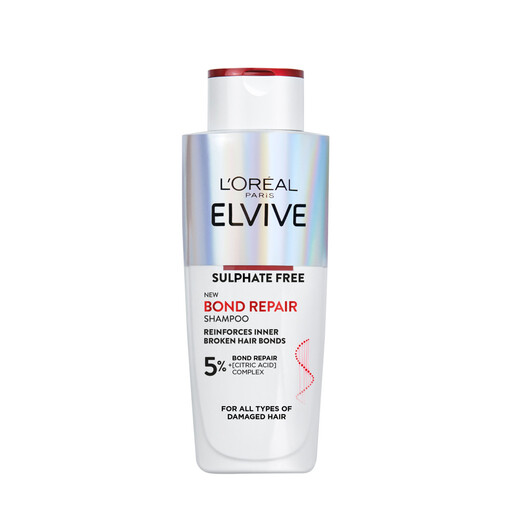
Why This Fits Their Persona: A straightforward starting point for UK shoppers who want to add a bond repair shampoo without immediately buying a multi-step collection. It is directed for use before conditioner or leave-in serum.
It can be used as one part of a routine rather than implying that shampoo alone replaces conditioning and heat-care steps.
Citric Acid Complex is listed in the formula; the 200ml size is practical for trying the range.
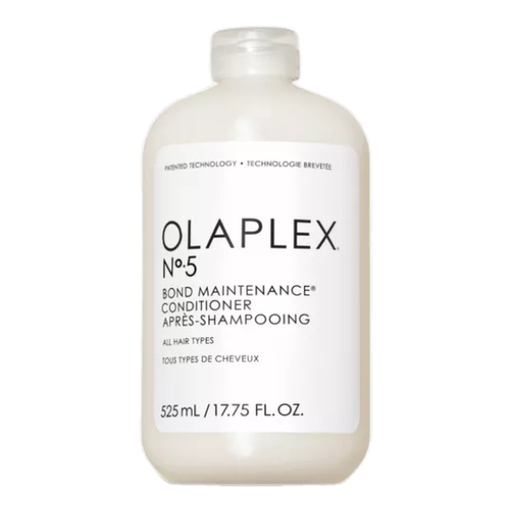
Why This Fits Their Persona: Suitable for shoppers seeking a larger, concentrated conditioner for regular use across straight, wavy, curly, coily or chemically treated hair.
Its instructions specify applying to mid-lengths and ends, helping avoid unnecessary product at the roots where weight can be more noticeable.
Highly concentrated format; listed as vegan, colour-safe and suitable for all hair types.
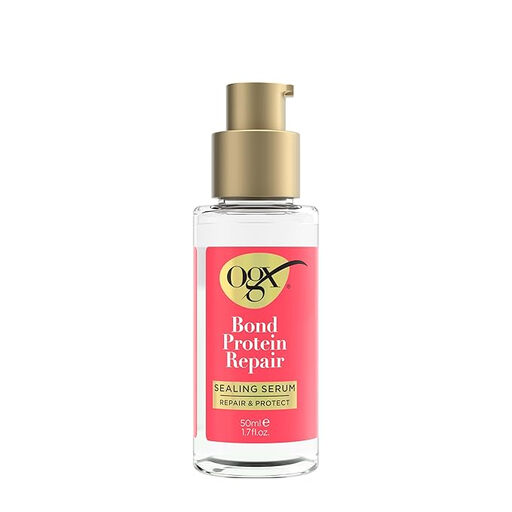
Why This Fits Their Persona: Useful for people who regularly blow-dry, straighten or colour their hair and want an overnight, leave-in step rather than another rinse-off treatment.
The directions specify a small amount applied from the ends upwards, reducing the risk of saturating the scalp or overloading fine lengths.
No-rinse serum; intended for use once or twice weekly on damp or dry hair.
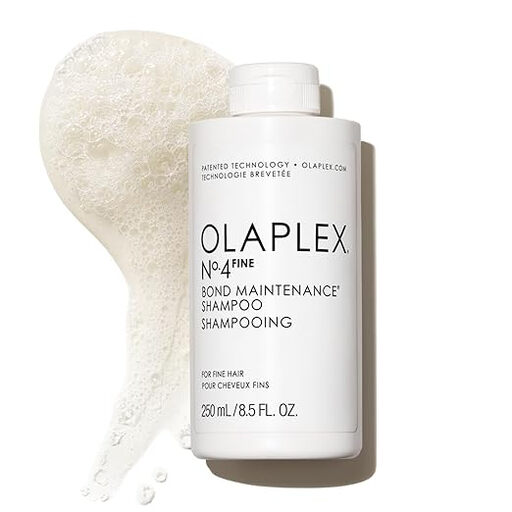
Why This Fits Their Persona: Designed for fine hair that needs a bond repair routine but can quickly lose volume when exposed to rich products.
The product is specifically positioned as a weightless volumising shampoo, rather than a one-formula solution for every texture.
250ml format; listed as colour-safe and formulated without protein, silicones, sulphates or parabens.
We have compiled a complete, real-time list of products that fully satisfy these strict selection criteria and UK safety regulations.
For frequent washing, begin with a suitable bond repair shampoo, then apply conditioner to the lengths and ends. If hair is bleached, brittle or prone to snapping, add a pre-shampoo treatment once the label directions and your hair’s tolerance have been considered.
Use a leave-in serum or oil mist sparingly on damp hair before styling, or on dry ends to manage frizz. Heat protection should still be used where required; a bond repair product does not automatically make high-temperature styling risk-free. Reduce heat, detangle from the ends upwards and avoid brushing soaking-wet hair unless the product and tool are designed for it.
Frequency depends on the product and your hair’s condition. Shampoo and conditioner may be used according to their labels, while concentrated treatments and serums are often intended less frequently. Start with one or two new products so you can assess softness, weight and manageability.
They can improve the appearance, smoothness and feel of damaged ends, but cosmetic products cannot permanently join a split strand. Regular trimming, gentler brushing and reduced heat can help limit further splitting.
A complete system can make the routine easier to follow, particularly for heavily processed hair, but it is not essential for everyone. If your main concern is dryness, start with a conditioner. If breakage follows bleaching or repeated heat styling, consider adding a treatment or leave-in product after assessing your hair’s texture and the label instructions.