
24/7 Customer Support

Free returns

Same-day & Next-day Delivery

Quality Guaranteed

Unlock Your Welcome Offers: FREE Delivery | Up to 80% OFF | Free 30-day JoyPlus trial
Download the APP
By the Joybuy Product Recommendation Officer
Bone conduction headphones can make running, cycling, commuting and gym sessions more convenient by leaving the ear canal open. However, product listings often use terms such as “waterproof”, “noise cancelling” and “long battery life” without explaining what they mean in day-to-day use.
The wrong choice may slip during movement, struggle in windy conditions or fail after exposure to water. Before buying, UK shoppers should look beyond the headline feature and check the following practical details.
An IP rating describes resistance to dust or water under specified test conditions. It does not automatically mean a product is suitable for swimming.
Bluetooth signals do not reliably transmit through water. If you are comparing headphones for swimming, look for built-in storage and an MP3 player mode, rather than relying on a Bluetooth connection from your phone at the pool.
Bone conduction headphones and other open-ear headphones leave the ear canal uncovered, which can make it easier to hear announcements, conversations and nearby activity. This is useful, but it is not a guarantee of safety. High volume can still mask ambient sound, particularly near roads or busy cycle routes.
Keep the volume moderate and remain attentive. Cycling or driving while distracted by audio may also breach applicable laws or increase accident risk.
“Up to” playback figures are normally dependent on volume, connection type and usage. Check whether the headphones charge through USB-C, a magnetic cable or a case, and whether they can be used during a typical commute or workout without frequent recharging.
A quick-charge feature can be more useful than a large headline battery figure if you often forget to charge before leaving home.
Bone conduction transducers usually rest near the cheekbone, while an open-ear wireless earphone may use a clip or speaker positioned beside the ear. Both designs leave the ear canal open, but the fit can feel different with glasses, helmets and hair.
For running headphones or cycling headphones, look for:
A secure fit should not mean excessive pressure. If the contact points become uncomfortable, reposition the headphones or stop using them.
Choose the rating according to the activity, not the marketing description:
Never charge wet headphones. Dry the charging port fully after exposure to water, even when the device has a water-resistance rating.
For everyday Bluetooth bone conduction headphones, compare stated playback time, charging time and connection range. A built-in microphone can support calls, although call clarity may vary in wind and traffic.
If you want music without carrying a phone, a model with 32GB internal storage and an MP3 player may be more suitable. Remember that stored audio and Bluetooth playback are separate functions, and Bluetooth is not normally practical underwater.
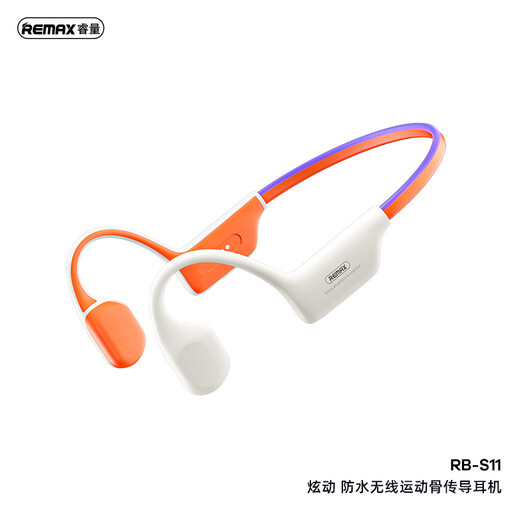
Why This Fits Their Persona: A practical option for first-time open-ear listening, commuting, gym sessions and shorter outdoor workouts around the UK.
The listing specifies an IPX5 rating rather than suggesting suitability for swimming, helping set realistic expectations for rain and sweat.
Bluetooth 5.3, a flexible lightweight frame, built-in microphone and stated playback of up to 6 hours.
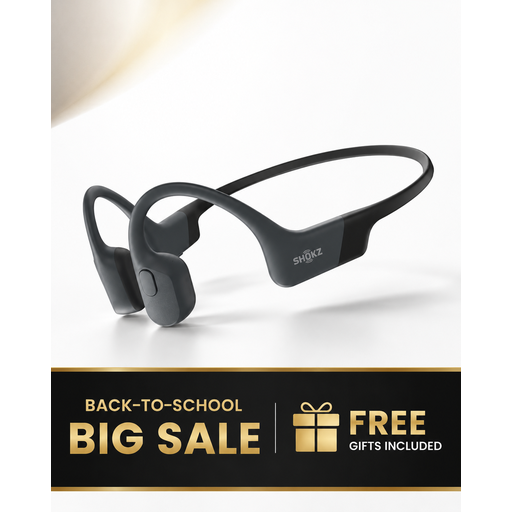
Why This Fits Their Persona: Suited to regular runners, gym-goers and commuters who value a lightweight sports design with call support and quick top-ups.
Its IP67 rating is presented for sweat, splashes and rain, not swimming, while the open-ear format keeps the ear canal uncovered.
Stated 8-hour playback, a 10-minute quick charge offering up to 1.5 hours, dual microphones and Bluetooth 5.1.
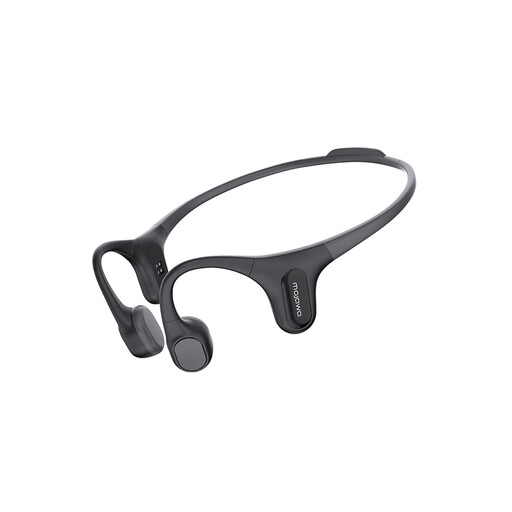
Why This Fits Their Persona: Designed for users who need offline audio for swimming, extended training, running, cycling or gym sessions.
The product specifies IP68 water resistance and warns that Bluetooth should not be used underwater; swimming is intended to use MP3 mode.
Built-in 32GB storage and a secure open-ear design intended for running, swimming, gym use and daily listening.
We have compiled a complete, real-time list of products that fully satisfy these strict selection criteria and UK safety regulations.
They can suit running because the open-ear design leaves the ear canal uncovered and the frame is positioned around the head rather than inserted into the ear. Choose a secure fit, keep the volume moderate and remain alert to traffic, cyclists and other pedestrians.
Service life depends on charging habits, sweat exposure, storage and physical wear. Keep charging ports dry, clean contact areas regularly and avoid excessive heat. Water resistance also becomes less predictable if the housing or seals are damaged.
Bluetooth models normally use a phone or another compatible device for streaming. Models with internal storage, such as headphones with an MP3 player, can play downloaded audio independently. For swimming, offline storage is generally more practical because Bluetooth signals do not transmit effectively underwater.