
24/7 Customer Support

Free returns

Same-day & Next-day Delivery

Quality Guaranteed

Unlock Your Welcome Offers: FREE Delivery | Up to 80% OFF | Free 30-day JoyPlus trial
Download the APP
For runners, cyclists, commuters and gym users, bone conduction headphones offer a way to listen without sealing the ear canals. That open-ear approach can make it easier to hear traffic, announcements or nearby conversation, but choosing the wrong model can still lead to wasted money.
The product descriptions in this category often use terms such as “waterproof”, “noise reduction” and “long battery life” without explaining the practical limits. Before buying, check how the headphones fit, how they handle water and whether their battery claims match your routine.
An IP rating describes resistance to dust or water under specified test conditions. It does not automatically mean that headphones can be submerged or used in a swimming pool.
Bluetooth signals do not transmit reliably through water. Therefore, swimming headphones with built-in storage normally require MP3 playback rather than a live Bluetooth connection. The Mojawa RunPlus range, for example, lists 32GB storage and IP68 water resistance, while its safety information advises using MP3 mode in water.
Bone conduction headphones position transducers against the cheekbone area, while other open-ear headphones may use small directional speakers positioned near the ear. Both designs leave the ear canal open, but the sound presentation, bass response and fit can differ.
Read the product specification carefully. “Open-ear sports earphones” is a broad term and may describe clip-on or ear-hook designs rather than true bone conduction. This distinction matters if you want a headband that remains stable under a cycling helmet, or if you prefer earbuds that are easier to remove between activities.
Playback time can vary with volume, call use, Bluetooth conditions and temperature. A claimed eight-hour battery may be adequate for most training sessions, but not necessarily for a full weekend away from a charger.
Look for practical features such as:
A secure fit is essential for wireless sports headphones. Bone conduction headsets normally use a flexible band around the back of the head, while open-ear earbuds may use hooks or clips.
Consider:
The Shokz OpenRun Mini has a headband that is 21mm shorter than the standard version and weighs 26g, making its listed design particularly relevant to users who find conventional bands loose.
Do not charge any wet headset. Even a product designed for swimming must have a completely dry charging port before connection to power.
For daily training, an IP rating should be matched to the activity:
Water resistance can also deteriorate through ageing, impact or damaged seals. Treat the rating as a design specification, not a guarantee of permanent waterproofing.
If you need headphones with a microphone, check whether the product uses one or more microphones and whether call performance is described for outdoor use. A microphone cannot remove every source of wind or traffic noise.
Open-ear designs can support situational awareness, but they do not make outdoor exercise risk-free. Keep volume moderate, remain alert near roads and follow UK rules and local site guidance. Do not use headphones when full attention is required, including while driving. Cycling with headphones may reduce awareness and can create legal or practical safety issues depending on the circumstances.
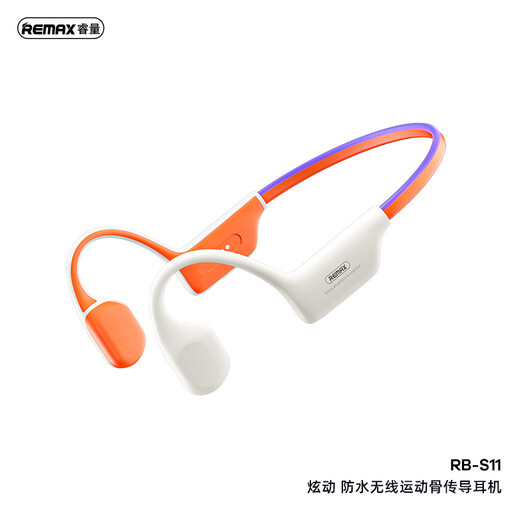
Why This Fits Their Persona: A straightforward option for UK commuters, gym users and occasional runners who want an open-ear design without moving immediately to a swimming-focused model.
Its listing states IPX5 protection, so buyers can distinguish rain and sweat resistance from swimming suitability.
Bluetooth 5.3, a flexible titanium frame, built-in microphone and stated six-hour playback.
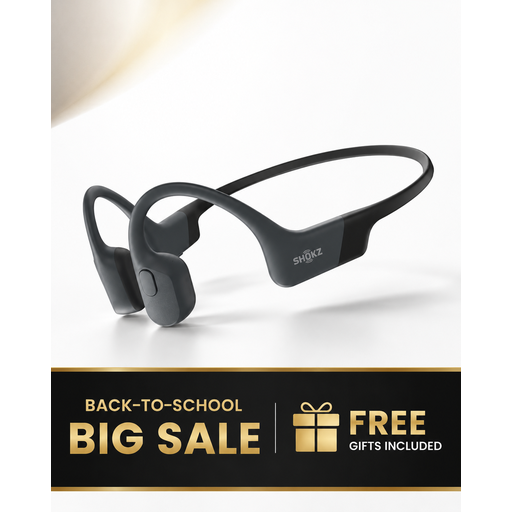
Why This Fits Their Persona: Suitable for regular runners, cyclists and remote workers who value a stable open-ear fit, calls and quick top-ups.
The listing clearly separates its IP67 sweat and splash resistance from swimming use, while giving a stated eight-hour playback figure.
PremiumPitch 2.0+ stereo sound, dual microphones, Bluetooth 5.1 and a 10-minute charge stated to add 1.5 hours.
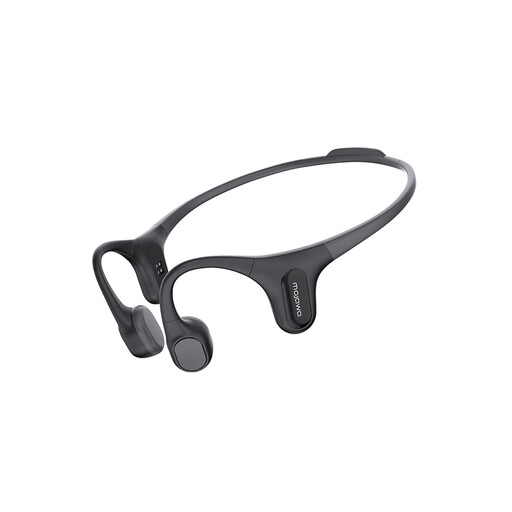
Why This Fits Their Persona: Designed for users who alternate between pool sessions, running, gym workouts and phone-free training.
Its listing specifies IP68 protection, 32GB storage and MP3 use for swimming, rather than implying that Bluetooth works underwater.
Built-in MP3 storage and a secure open-ear design for running, swimming, cycling and gym sessions.
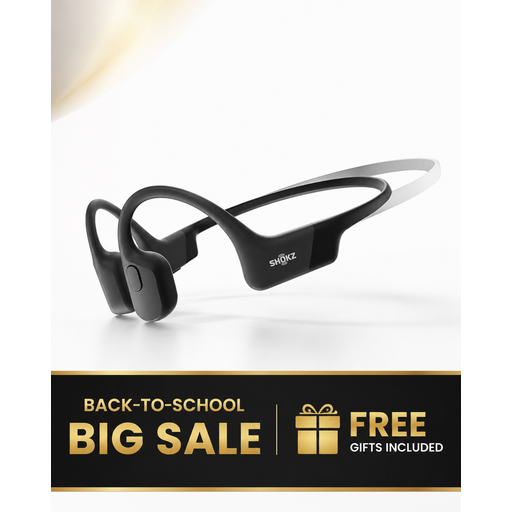
Why This Fits Their Persona: A practical match for users who find standard headbands loose or who regularly combine headphones with glasses and a cycle helmet.
The shorter 21mm headband is a clearly stated sizing detail, helping address fit rather than relying on a generic “secure” label.
26g listed weight, IP67 water resistance, eight-hour playback and quick charging.
We have compiled a complete, real-time list of products that fully satisfy these strict selection criteria and UK safety regulations.
They can suit running and cycling because the ear canals remain open, allowing ambient sound to be heard. However, volume level, road conditions and traffic still matter. Use them responsibly, remain alert and follow applicable UK laws and safety guidance.
Battery life varies by model and usage. Many sports models list around six to eight hours of playback, while clip-style open-ear earbuds may add several charges through a case. Physical lifespan depends on sweat exposure, charging habits, storage and whether the water-resistance seals remain intact.
Usually not for live streaming. Water interrupts Bluetooth communication, so MP3 swimming headphones with internal storage are more practical. Check the product’s stated IP rating and swimming instructions, and dry the charging port completely before recharging.