
24/7 Customer Support

Free returns

Same-day & Next-day Delivery

Quality Guaranteed

Unlock Your Welcome Offers: FREE Delivery | Up to 80% OFF | Free 30-day JoyPlus trial
Download the APP
For anyone who enjoys listening to music or podcasts while running, cycling or even commuting, there's a familiar dilemma: how do you stay immersed in your audio without losing touch with the world around you? Traditional earbuds block out traffic noise, announcements and other important sounds, creating a potential safety risk. This is where a different kind of audio technology comes in.
Open-ear headphones, and specifically those using bone conduction, offer a compelling solution. They deliver sound through vibrations on your cheekbones, leaving your ear canals completely open. This allows you to enjoy your audio while maintaining full situational awareness. This guide is designed to help you understand this technology and navigate the key features to look for, making it easier to choose the right pair for your needs.
Selecting the right pair of open ear headphones depends largely on your primary activity. Here are a few key factors to consider to ensure you get a model that fits your lifestyle.
A secure fit is non-negotiable, especially for high-impact activities. Look for headphones with a lightweight, flexible frame, often made from titanium, that wraps comfortably around your head. The goal is a snug fit that won't bounce or shift whether you're on a long run or in the middle of a gym session. Some brands also offer different sizes to accommodate smaller head shapes, ensuring stability for a wider range of users.
If you're looking for gym earphones or running headphones, sweat resistance is crucial. This is where the Ingress Protection (IP) rating comes in.
sweatproof headphones.bone conduction headphones for swimming. These are fully waterproof and can handle prolonged submersion, often including built-in MP3 players since Bluetooth signals do not travel well through water.Consider how long you'll need your headphones to last on a single charge. Most models offer between 6 to 8 hours of continuous playback, which is ample for daily workouts and commutes. A quick-charge feature can also be incredibly useful, often providing over an hour of use from just a 10-minute charge. For connectivity, look for a recent Bluetooth version (e.g., Bluetooth 5.1 or higher) for a stable, low-latency connection to your device.
Here are a few standout models that cater to different activities and preferences.
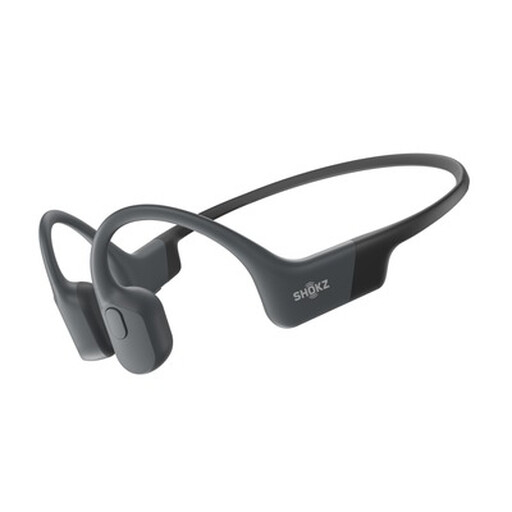
Why It Stands Out: The Shokz OpenRun is a well-rounded performer that balances comfort, durability and audio quality. Its open-ear design and lightweight frame make it a reliable companion for long training sessions.
Pros:
Who is it for? Runners, cyclists and gym-goers looking for a dependable, high-performance pair of cycling headphones that can handle sweat and deliver clear audio and calls.
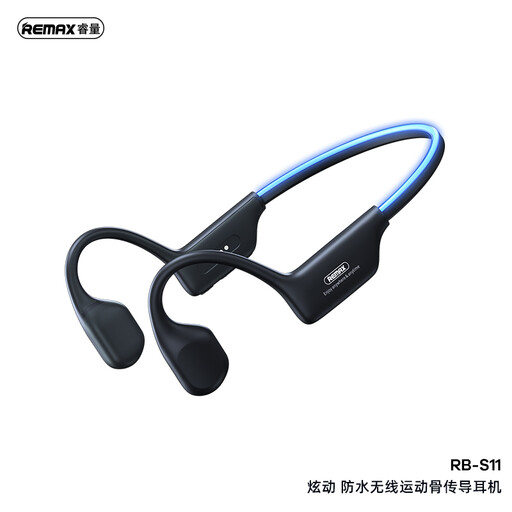
Why It Stands Out: This model provides the core benefits of bone conduction technology in a practical and accessible package. It’s a solid entry point for those new to open-ear listening.
Pros:
Who is it for? Individuals seeking a functional and affordable option for daily workouts, commuting or general outdoor activities where situational awareness is key.
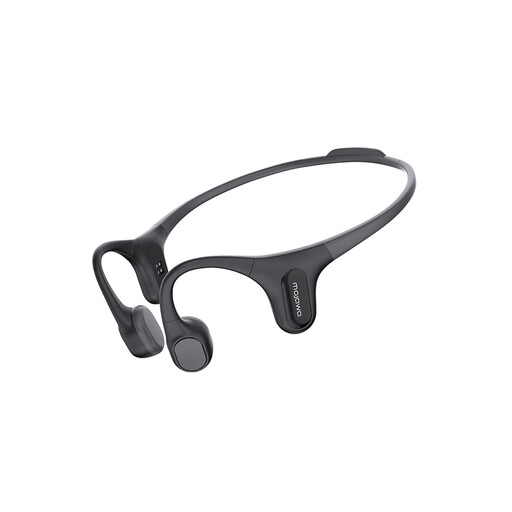
Why It Stands Out: The Mojawa RunPlus is specifically engineered for swimmers. Its combination of a high waterproof rating and onboard storage makes it a true amphibious audio device.
Pros:
Who is it for? Swimmers who want to listen to music during their pool sessions, as well as triathletes or runners who need a completely waterproof and versatile audio solution.
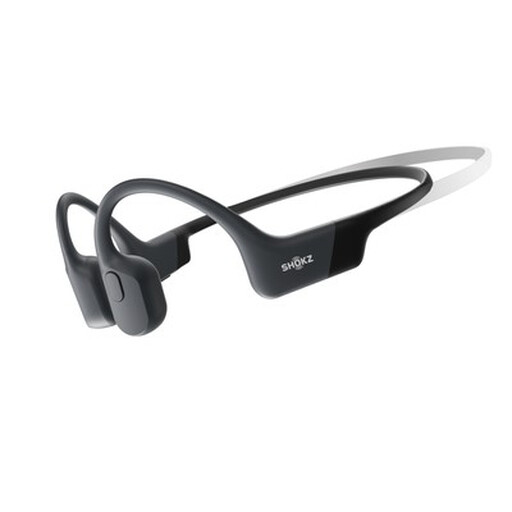
Why It Stands Out: The OpenRun Mini offers all the features of the standard OpenRun but with a more compact design. The shorter headband provides a more secure and stable fit for those who find regular models too loose.
Pros:
Who is it for? Athletes and users with smaller head sizes who need a secure, stable fit without compromising on the performance features of a premium model.
If you're still exploring different styles or features, there are many other models to consider. To see a wider selection tailored specifically for runners and active users, feel free to explore our full range of bone conduction headphones for running.
1. How does bone conduction technology work? Instead of sending sound waves through your ear canal like traditional headphones, bone conduction devices use transducers that rest on your cheekbones. These transducers create micro-vibrations that travel through the bones of your skull directly to your inner ear, bypassing the eardrum. Your brain processes these vibrations as sound, all while your ears remain open.
2. Can other people hear my music? This is a common concern known as sound leakage. While early bone conduction models had noticeable leakage, modern headphones have significantly minimised it. At a normal listening volume, anyone nearby is unlikely to hear your audio. Leakage may only become slightly audible in a very quiet environment if the volume is turned up to its maximum level.
3. Are bone conduction headphones good for making phone calls? Yes, most modern bone conduction headphones are equipped with one or more noise-cancelling microphones. These microphones are designed to isolate your voice from ambient noise, such as wind or traffic, allowing for clear and stable hands-free calls even when you are outdoors or on the move.