
24/7 Customer Support

Free returns

Same-day & Next-day Delivery

Quality Guaranteed

Unlock Your Welcome Offers: FREE Delivery | Up to 80% OFF | Free 30-day JoyPlus trial
Download the APP
For UK athletes, finding the right headphones is a constant balance between motivation and safety. Whether you are navigating busy city streets on your run, cycling through the countryside or putting in lengths at the local pool, being aware of your surroundings is non-negotiable. This is where bone conduction headphones come in, offering an open-ear design that delivers audio without blocking out the world.
However, the market is flooded with options, and it is easy to fall into common purchasing traps. Many buyers find themselves with a gadget that fails after a few rainy runs or becomes a source of discomfort rather than a workout companion. Before you invest, let’s look at the pitfalls to avoid.
workout headphones are advertised as suitable for sport but carry a low IP (Ingress Protection) rating like IPX4. This only protects against light splashes, making them vulnerable to a typical British downpour or a particularly sweaty session, leading to premature failure.open ear headphones were known for weak bass and significant sound leakage. Cheaper models still suffer from this, delivering a tinny, unsatisfying audio experience while broadcasting your playlist to everyone nearby.To make a smart choice, focus on the technical details that directly impact performance and durability. Cutting through the marketing jargon and understanding these core parameters will ensure you get a pair of headphones that truly meets your needs.
The IP rating is perhaps the most critical specification for any piece of sports tech in the UK. It consists of two numbers: the first for dust protection and the second for water protection.
running headphones and cycling earphones. The '6' means the device is completely dust-tight, while the '7' indicates it can be submerged in up to 1 metre of fresh water for 30 minutes. This provides robust protection against sweat, heavy rain and even an accidental drop in a puddle.waterproof headphones for swimming, this is the rating to seek. The 'X' means it hasn't been rated for dust, but the '8' signifies protection against continuous immersion in water, typically beyond 1 metre. For swimming, it is also crucial to check if the model includes built-in MP3 storage, as Bluetooth signals do not travel well underwater.The comfort and stability of sports headphones with mic depend heavily on their construction. Look for models built with a flexible and lightweight titanium frame. This material allows the headset to gently conform to the shape of your head without exerting excessive pressure, ensuring it stays securely in place during high-impact activities. A well-designed frame distributes weight evenly, so you can wear it for hours without discomfort.
Modern bone conduction technology has advanced significantly. The latest models use sophisticated transducers to deliver richer sound with improved bass, minimising the vibrations and sound leakage that plagued older versions. When choosing a bluetooth bone conduction headset, also check the battery life. A minimum of 8 hours of continuous playback is a good benchmark, ensuring your headphones will last through a marathon, a long cycle or a full day of use.
Instead of a single "best" model, the right choice depends on your specific activities. Here are our recommendations matched to different user profiles.
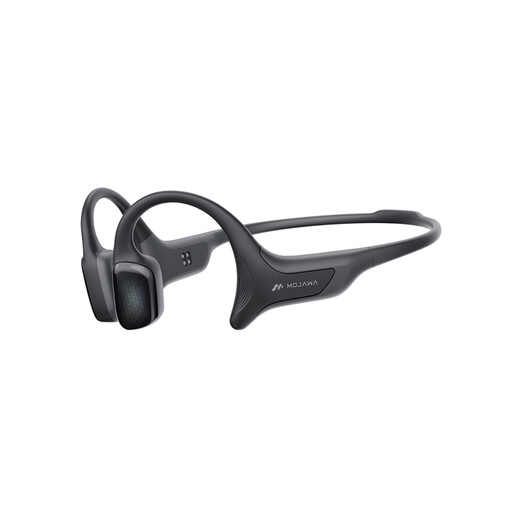
Why This Fits Their Persona: This user needs a device that works completely independently of a phone. The Mojawa HaptiFit Terra is designed for swimmers, offering full waterproofing and, crucially, 32GB of built-in MP3 storage. This allows for music playback underwater where Bluetooth fails.
It sidesteps the "water-resistant" myth by being genuinely waterproof and designed for swimming. The integrated MP3 player is a practical solution to a real technical limitation of Bluetooth.
Phone-free audio with 32GB storage. Fully waterproof design suitable for swimming. Includes a built-in mic for calls when out of the water.
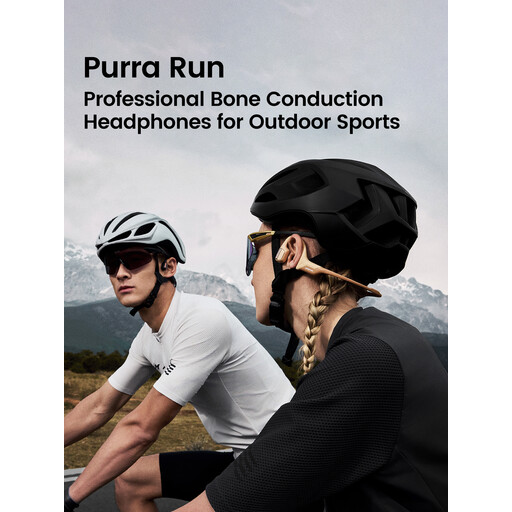
Why This Fits Their Persona: This user needs a reliable, secure and weather-resistant companion for runs and rides. The Purra Run's IP67 rating provides confidence against rain and sweat, while its lightweight, ergonomic design ensures it stays put without causing pressure points during long-distance efforts.
It directly counters the "one-size-fits-all" problem with a secure, ergonomic fit designed for sport. The IP67 rating is a clear, verifiable specification that goes far beyond basic sweat resistance.
IP67 waterproof and dust-tight rating. Secure and lightweight fit for high-impact activities. Features modern Bluetooth 5.3 for a stable connection.

Why This Fits Their Persona: This user prioritises all-day comfort and situational awareness for gym sessions, commuting or office work. The Shokz OpenFit uses an open-ear design (not bone conduction) with an ultra-light 8.3g earbud and a soft ear hook, making them exceptionally comfortable for extended wear.
It avoids the sound quality compromise by using DirectPitch technology, which aims to provide a premium audio experience. The focus on an ergonomic, flexible ear hook addresses the poor fit issue for users sensitive to pressure.
Extremely lightweight and comfortable for all-day use. IP54 sweatproof rating is sufficient for workouts. Offers up to 28 hours of total playtime with the charging case.
We have compiled a complete, real-time list of products that fully satisfy these strict selection criteria and UK safety regulations.
Modern bone conduction headphones have significantly reduced sound leakage compared to older models. While not completely silent to those in very close proximity in a quiet room, the leakage is minimal and generally unnoticeable in outdoor or moderately noisy environments. Technologies are continuously being developed to channel sound more directly to the inner ear.
Because they bypass the eardrum, they can be a good option for some individuals. However, like any audio device, listening at excessively high volumes for prolonged periods can still pose a risk to your inner ear (cochlea). It is always advisable to listen at a moderate, comfortable volume to protect your long-term hearing health.
After use, especially after exposure to sweat or chlorinated pool water, it is good practice to rinse the headphones with fresh water. Gently pat them dry with a soft, lint-free cloth. Crucially, ensure the charging port or magnetic contacts are completely dry before attempting to charge the device to prevent corrosion or electrical damage.