
24/7 Customer Support

Free returns

Same-day & Next-day Delivery

Quality Guaranteed

Unlock Your Welcome Offers: FREE Delivery | Up to 80% OFF | Free 30-day JoyPlus trial
Download the APP
Bone conduction headphones can make outdoor exercise more convenient, but the category includes several very different designs. Some products sit in front of the ears, some use ear hooks and others seal the ear canal. Choosing by headline claims alone can lead to poor comfort, weak water protection or a fit that loosens halfway through a run.
This guide explains the practical specifications that matter, common buying traps and our top recommendations for different UK lifestyles.
“Open-ear headphones” is a broad term. Some open-ear models use directional speakers positioned near the ear, while genuine bone conduction headphones transmit sound through contact points near the cheekbones. Both designs leave the ear canals open, but the sound presentation and fit can differ.
If awareness of traffic, other runners or gym instructions is important, check the product’s actual design rather than relying on “sports headphones” in the title. Keeping your ears uncovered does not remove the need to control volume or pay attention to your surroundings.
An IP67 rating generally indicates protection from dust and temporary immersion under specified test conditions. It is useful for sweat, rain and splashes, but it should not automatically be treated as a swimming specification.
For pool use, look for a product specifically described for swimming and check its depth and immersion limitations. Bluetooth signals do not normally transmit reliably underwater, so swimming headphones with an MP3 player or internal storage are more practical than Bluetooth-only models in the pool.
Battery figures may depend on volume, connection mode and whether the charging case is included. A pair advertised with “long battery life” may provide considerably less playback per charge than its total case-assisted figure suggests.
Compare single-charge playback, charging time and quick-charge performance. For regular runners and commuters, eight hours may cover several sessions; for long trips or frequent swimming, built-in storage and a larger battery may matter more.
For running, cycling and gym workouts, a secure-fit design should remain stable during head movement without creating pressure behind the ears. Wraparound bone conduction frames tend to avoid the blocked sensation of sealed earbuds, while ear-hook headphones can offer a more compact shape.
If you wear glasses, a cycling helmet or a hat, check the frame shape and headband size. Smaller users may benefit from a shorter band, as excess movement can cause rubbing and sound inconsistency.
Use the IP rating as a guide, not a guarantee for every activity:
After water exposure, dry the charging contacts and port completely before charging. Salt water, chlorine and moisture can still affect materials over time, even when a product has a higher rating.
Wireless Bluetooth headphones are convenient for phones, smartwatches and calls on land. Bluetooth 5.1, 5.3 or 5.4 describes the connection generation, but does not alone guarantee better sound or range.
For swimming, select headphones with an MP3 player or internal memory. Confirm supported file types, storage capacity and how music is transferred. A microphone can be useful for calls, but call quality depends on wind, traffic and surrounding noise.
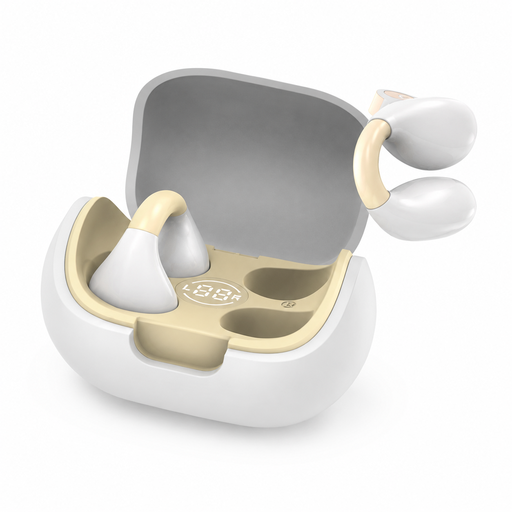
Why This Fits Their Persona: A compact option for casual gym sessions, commuting and everyday calls, with an ear-hook format designed to stay in place.
Its stated 5–7 hours of playback helps set a more realistic expectation than an unspecified total battery figure. It is not presented as a swimming model.
Bluetooth 5.4, touch controls, charging case and an ear-hook design.
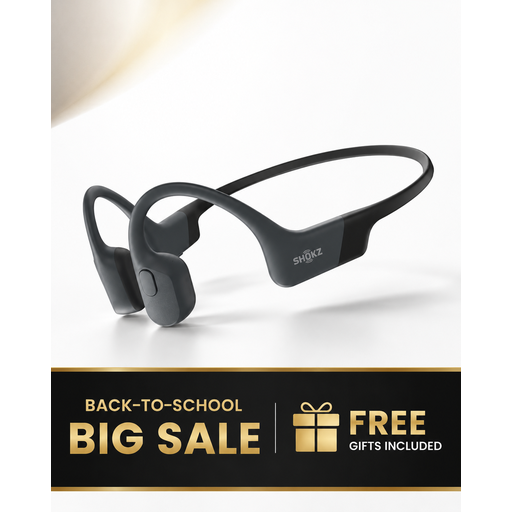
Why This Fits Their Persona: Suitable for runners, cyclists and commuters who want open-ear listening, hands-free calls and a lightweight sports-focused fit.
The IP67 rating is clearly suited to sweat, splashes and rain rather than swimming. The listed eight-hour playback and 10-minute quick-charge function make battery planning easier.
26 g lightweight construction, PremiumPitch 2.0+ stereo sound, Bluetooth 5.1 and dual microphones.
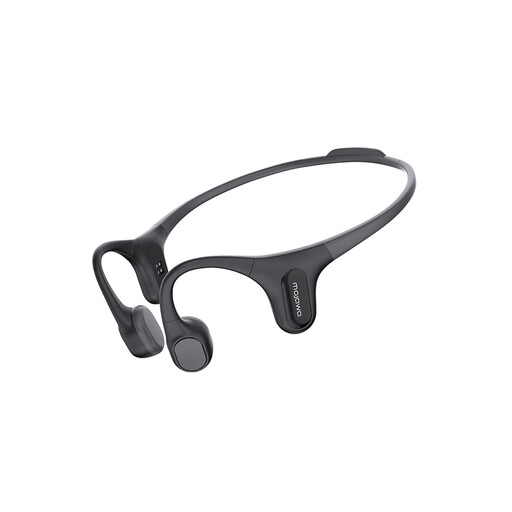
Why This Fits Their Persona: Designed for users who move between running, gym workouts and swimming, where Bluetooth-only listening is limiting.
Its stated IP68 rating and 32GB storage address the common mistake of buying Bluetooth headphones for underwater use. Use MP3 mode in the pool and follow the specified immersion limits.
32GB built-in MP3 storage, open-ear bone conduction format and a design specified for swimming.
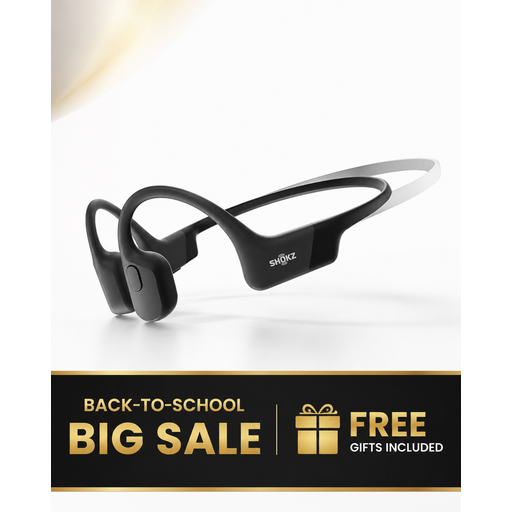
Why This Fits Their Persona: A shorter headband can suit smaller heads and users who wear glasses or bike helmets during outdoor exercise.
The product specifies a headband that is 21 mm shorter than the conventional size, helping address excessive movement caused by an oversized frame.
26 g weight, IP67 water resistance, eight-hour playback and quick charging.
We have compiled a complete, real-time list of products that fully satisfy these strict selection criteria and UK safety regulations.
They can suit running because the ear canals remain open and many models use a wraparound or secure-fit frame. However, they do not replace visual and environmental awareness. Keep the volume moderate and take extra care near roads, junctions and shared paths.
Bluetooth connectivity is generally unreliable underwater because the signal does not travel effectively through water. For swimming, choose a model with internal storage and use its MP3 mode. Check the product’s stated depth, immersion time and charging instructions before use.
Playback time varies by model, volume and connection mode. The products listed here specify between roughly five and eight hours per charge for several land-use models, while swimming-focused products may offer more storage and a different battery specification. Battery capacity gradually reduces with charging cycles, so avoid extreme heat, prolonged moisture and storing the headphones fully depleted.