
24/7 Customer Support

Free returns

Same-day & Next-day Delivery

Quality Guaranteed

Unlock Your Welcome Offers: FREE Delivery | Up to 80% OFF | Free 30-day JoyPlus trial
Download the APP
For many runners and cyclists across the UK, the dilemma is a familiar one: you want the motivation of a playlist or the engagement of a podcast, but you cannot afford to sacrifice awareness of your surroundings. Traditional headphones that block the ear canal can isolate you from traffic noise, fellow pedestrians and other important audible cues, creating a potential safety risk.
This is where open-ear audio technology offers a practical solution. By leaving your ears uncovered, these devices allow you to enjoy your audio while remaining fully connected to the world around you. This guide is designed to help you understand the key features of bone conduction sport headphones and navigate the available options to find a pair that suits your active lifestyle.
Before looking at specific models, it helps to understand what features matter most for athletic use. Consider these points when making your selection.
The primary benefit of this technology is safety. Open ear running headphones use transducers that rest on your cheekbones, sending sound vibrations directly to your inner ear and bypassing the eardrum. This design is fundamental to headphones for cycling safety, as it leaves your ear canals completely open to hear approaching vehicles and other ambient sounds. While this means you may trade some of the deep bass found in traditional in-ear models, the gain in environmental awareness is a significant advantage for outdoor activities.
Any electronic device used for exercise needs to withstand the elements. Look for an IP (Ingress Protection) rating, which indicates how well the headphones are protected against dust and water. A rating of IP67, for example, means the device is dust-tight and can withstand immersion in water up to one metre for 30 minutes. This level of protection is ideal for sweat resistant workout headphones, ensuring they can handle intense sessions and unpredictable British weather.
A headset for sports should feel like it is barely there. A lightweight sports headset with a secure, wraparound frame will prevent bouncing or shifting during high-impact activities like running. The fit should be snug enough to stay in place without causing pressure or discomfort over long distances.
Here are our recommendations, selected to cater to different user needs, from the dedicated outdoor athlete to those seeking a more versatile audio solution.
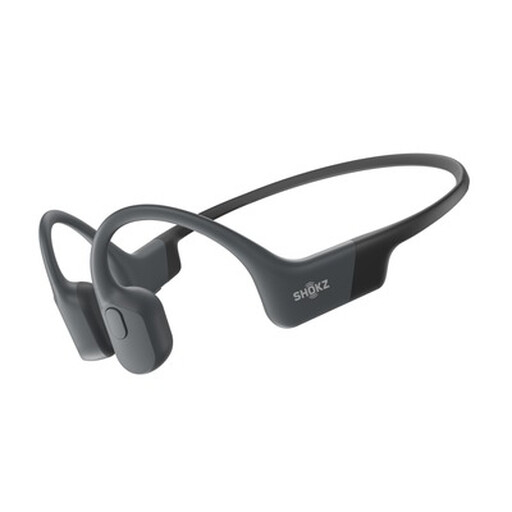
Why It Stands Out: The Shokz OpenRun is a purpose-built device for athletes who prioritise safety and performance. It embodies the core principles of bone conduction technology, delivering audio without obstructing the ears. Its lightweight frame and high water-resistance rating make it a leading choice for the Shokz OpenRun UK market. The brand's PremiumPitch 2.0+ technology aims to provide a balanced stereo sound experience.
Pros:
Who is it for? This is the go-to option for dedicated runners, cyclists and outdoor fitness enthusiasts who need a durable, reliable and safe way to listen to audio during their workouts.
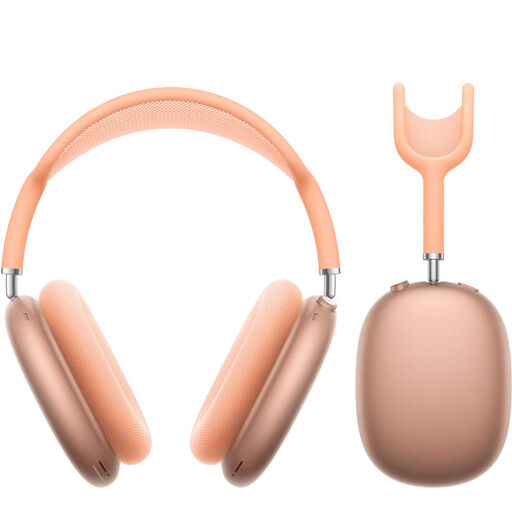
Why It Stands Out: While not a bone conduction model, the AirPods Max offers an alternative approach to situational awareness through its advanced Transparency Mode. This feature uses external microphones to pipe in ambient sound, allowing you to stay aware of your surroundings without removing the headphones. They deliver a high-fidelity audio experience that is hard to match, combined with the seamless connectivity of the Apple ecosystem.
Pros:
Who is it for? Apple users who prioritise premium sound quality for a range of activities, including low-impact exercise like walking or gym sessions. They are not designed for intense, sweaty workouts but offer a versatile solution for audio enjoyment and awareness.
View Apple AirPods Max Details
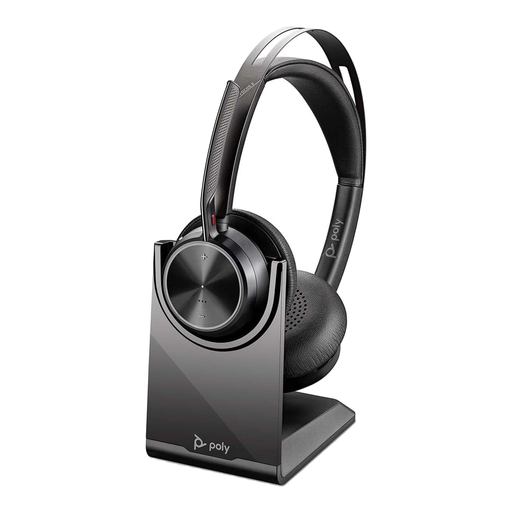
Why It Stands Out: The Poly Voyager Focus 2 is a hybrid solution for the professional who stays active. Its primary strength lies in its crystal-clear call quality, thanks to a noise-cancelling microphone boom with Acoustic Fence technology. While designed for the office, its lightweight build and comfortable fit make it a capable companion for lunchtime walks or light workouts where you might need to take a call.
Pros:
Who is it for? The remote worker or busy professional who wants a single, high-quality headset for work calls, media consumption and light physical activities like walking. It is not sweat-resistant, so it is not suitable for running or intense gym sessions.
View Poly Voyager Focus 2-M Details
The world of personal audio is vast, with new technologies and features emerging constantly. If you are interested in exploring a wider variety of modern headsets, particularly those featuring the convenience of USB-C charging, we have a broader collection available.
Explore Our Full Collection of Headphones with USB-C
1. Are bone conduction headphones completely safe for cycling? They significantly improve a cyclist's ability to hear traffic and other environmental sounds compared to traditional in-ear or over-ear headphones. However, safety is a shared responsibility between the equipment and the user. It is crucial to keep the volume at a reasonable level and always remain visually and audibly vigilant.
2. How does the sound quality of bone conduction headphones compare to traditional earbuds? Bone conduction technology prioritises situational awareness. The sound is transmitted via vibrations on the cheekbones rather than air conduction through the ear canal. This can result in a different audio profile, often with less pronounced bass. While audio is clear for podcasts and music, those seeking deep, immersive sound may prefer traditional headphones with a transparency mode.
3. Can other people hear my music with bone conduction headphones? These headphones are designed to minimise sound leakage. At low to moderate volumes, it is unlikely that anyone nearby will hear your audio. At very high volumes, some sound may be faintly audible to people in close proximity, but this is generally less noticeable than with traditional open-back headphones.