
24/7 Customer Support

Free returns

Same-day & Next-day Delivery

Quality Guaranteed

Unlock Your Welcome Offers: FREE Delivery | Up to 80% OFF | Free 30-day JoyPlus trial
Download the APP
Joint stiffness, reduced mobility and concerns about bone strength can make shopping for bone and joint supplements surprisingly complicated. UK shoppers may be comparing glucosamine supplements for dogs, calcium and vitamin D3 supplements for adults, liquid formulas and chewable options, often with very different ingredient lists and serving instructions.
The product that suits an older Labrador may not be appropriate for a cat, while an adult looking for bone health supplements needs to consider medication, existing conditions and nutrient intake. Use the following checks to avoid paying for a product that does not match your intended use.
A supplement may contain many familiar ingredients without providing useful amounts per serving. Check the serving size and amount of each active ingredient, rather than judging the product by the front-of-pack claims alone.
For pet products, look for clearly stated quantities of ingredients such as glucosamine, chondroitin, MSM, collagen, hyaluronic acid or omega-3 fatty acids. For human products, check the calcium, magnesium, vitamin D3 and vitamin K2 amounts per daily serving.
A capsule can be practical for an adult, but difficult to administer to a dog that refuses tablets. Conversely, a syrup may be convenient to mix with food, yet requires accurate measuring and suitable storage after opening.
Dog hip and joint chews can work well for pets that accept treats, but their daily quantity may vary according to body weight. Always compare the cost per daily serving, not just the pack price.
Products marketed for arthritis, dysplasia or stiff joints should not replace veterinary or medical advice. Supplements may be used as part of a wider care routine, but persistent lameness, pain, swelling, reluctance to move or sudden changes in behaviour require professional assessment.
For people, bone and joint supplements are not intended to diagnose, treat, cure or prevent disease. Check with a GP or pharmacist before use if you are pregnant, have kidney stones or hypercalcaemia, or take medication such as blood thinners.
For dog joint supplements and cat joint supplements, commonly listed ingredients include:
Ingredient sources can also matter. For example, some glucosamine is sourced from shellfish, while collagen may come from animal sources. Read the label carefully if your pet has allergies or dietary restrictions.
For adult bone health supplements, calcium, magnesium and vitamin D3 are commonly selected for skeletal and muscle support. Vitamin K2, zinc, copper and boron may also appear in broader formulas. Do not assume that a higher dose is automatically more suitable; compare the serving information with your existing diet and other supplements.
A pet supplement should state whether it is suitable for dogs, cats or both. Dosage may depend on weight, age or life stage. A large active dog may require a different daily amount from a small dog, while cats generally need their own weight-based guidance.
For example, Wellpaws Bone & Joint Care Syrup provides a stated dosage range from 5 ml for pets weighing 1–10 kg to 20 ml for pets weighing 30–45 kg. The label also states that it is not suitable for pregnant or lactating bitches.
Consider whether you can administer the product consistently. A syrup may be added to food, drinking water or given directly, while chewables can be offered as a treat. Capsules for adults are straightforward when taken with food, but the label should still be followed precisely.
Check opening instructions and storage details. The Wellpaws syrup and chewable product information advises use within 120 days of opening, with storage in a cool, dry place. Always prioritise the packaging supplied with your order if it differs from an online description.
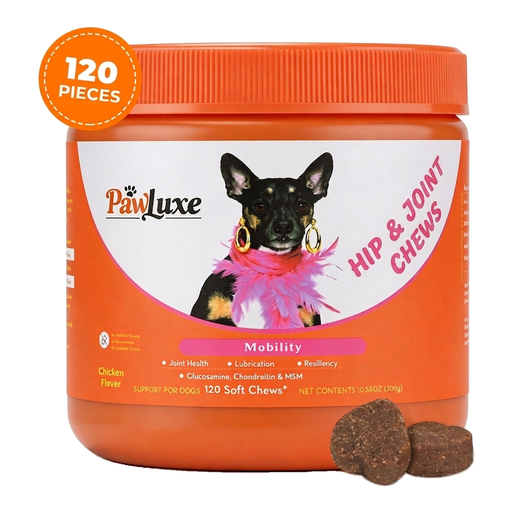
Why This Fits Their Persona: A chew format can be a straightforward starting point for owners of dogs that accept chicken-flavoured treats, with 120 soft chews in one pack.
The label lists per-chew quantities, including 250 mg glucosamine HCl, 178.58 mg MSM and 96.4 mg chondroitin sulphate, making comparison easier.
Chicken flavour; weight-based guidance from one to four chews daily; includes glucosamine, MSM, chondroitin and vitamin C.
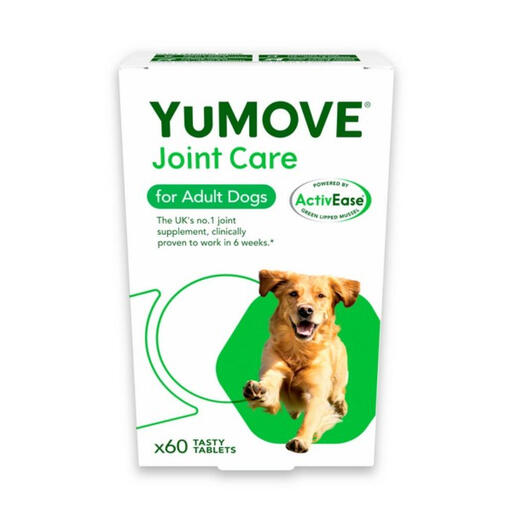
Why This Fits Their Persona: Suitable for owners seeking a measured tablet routine for adult dogs, particularly where weight-based serving guidance is important.
The product information identifies the ingredients and quantities per tablet, rather than relying only on broad joint-support wording.
Contains glucosamine, green-lipped mussel powder, hyaluronic acid, vitamin C, vitamin E and manganese; dosage is set by dog weight.
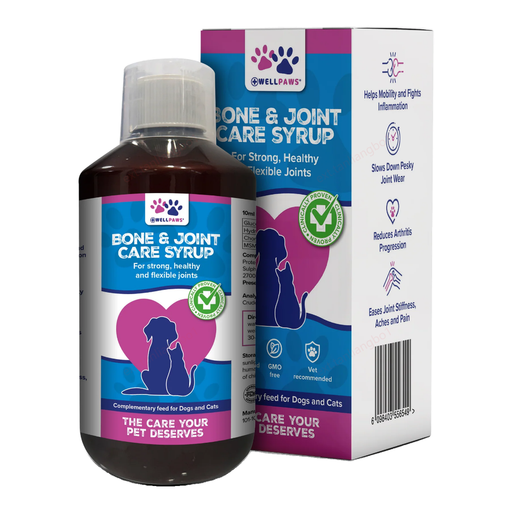
Why This Fits Their Persona: A multi-species liquid may suit households with dogs and cats, or pets that will not reliably take tablets or chews.
The product specifies species, bottle volume, weight-based doses and a 120-day period for use after opening.
Contains salmon oil, EPA and DHA, glucosamine, chondroitin, BioCell Collagen, MSM, hyaluronic acid, vitamin C and manganese.

Why This Fits Their Persona: Designed for adults comparing bone, joint and muscle-support nutrients in a vegan-friendly capsule format taken with food.
The label provides amounts per two-capsule serving, including 400 mg calcium, 25 mcg vitamin D3 and 100 mcg vitamin K2.
Also contains magnesium, vitamin C, zinc, copper and boron; the two-pack provides 120 capsules in total.
We have compiled a complete, real-time list of products that fully satisfy these strict selection criteria and UK safety regulations.
Most products are intended for consistent daily use rather than occasional dosing. The appropriate period depends on the formula, your pet’s needs and professional advice. Follow the stated serving instructions and review the routine if there is no noticeable improvement.
Some products are labelled for both dogs and cats, but dosage is usually weight-specific. Never assume that a dog-only product is suitable for a cat. Check the species information, ingredients and warnings before purchasing.
Running cost depends on the price per pack, daily dose and pet weight. Calculate: pack price ÷ number of daily servings. A larger bottle or multipack may reduce the cost per day, but only if the product remains within its opening period and is used according to the label.