Who is choosing the drinks?

Families serving children

If juice is on the Bonfire Night table, a measured portion makes it easier to avoid repeated refills alongside other drinks and snacks. NHS Healthier Families advises a combined daily limit of 150ml for fruit juice and smoothies for children and adults.

Adults comparing sugars

Decide whether you want 100% apple juice or an apple-flavoured soft drink, then compare sugars per 100ml. ‘No added sugar’ does not mean that a drink contains no sugar.

People keeping track of carbohydrates

Check the nutrition panel for the drink and portion you plan to serve. Diabetes UK distinguishes juice from whole fruit: whole fruit retains fibre, while juice contributes to free-sugar intake.

What should you check?

100% apple juice

Choose it when: You specifically want juice and can pour a measured portion.

Bear in mind: The NHS counts sugars in fruit juice as free sugars, even when none are added.

Apple-flavoured soft drink

Choose it when: You want a flavoured drink and its label meets your sugar preference.

Bear in mind: A soft drink with sweeteners is not equivalent in composition to 100% juice.

Whole apple or water

Choose these when: You do not need to serve a juice-style drink.

Bear in mind: A whole apple offers a different eating option, not another shared drink; Diabetes UK notes that it retains fibre that juice does not.

PriorityWhat to checkYour needs
Sugars Compare sugars per 100ml, then check the amount in the portion you will serve. Tesco Groceries lists 10g sugars per 100ml for Copella Apple Juice 900ml; the NHS counts juice sugars as free sugars. I want to compare drinks on the same volume basis, rather than rely on ‘natural’ or ‘no added sugar’ wording.
Juice portions Check the container size and measure the pour. NHS Healthier Families advises no more than a combined 150ml of fruit juice and smoothies a day for children and adults. If I serve juice at the gathering, I would rather pour a small glass than leave portions to repeated refills.
Drink type Read the product name and ingredients to distinguish 100% juice from an apple-flavoured soft drink; check for sweeteners. Tropicana describes Orchard Apple as 100% pressed juice, while Tesco describes Apple Zero as a carbonated apple-flavoured soft drink with sweeteners. Is fruit-juice composition important to me, or am I choosing an apple-flavoured drink for the table?
Whole fruit Consider whether the occasion calls for a drink at all. Diabetes UK notes that whole fruit retains fibre and distinguishes it from juice when discussing free sugars. When I do not specifically want apple juice, I can put out whole apples and water instead.

Common mix-ups to avoid

  • Assuming fruit-derived sugar does not count

    The NHS classifies sugars in unsweetened fruit juice as free sugars. Tesco Groceries lists 15g sugars in a 150ml serving of Copella Apple Juice 900ml, so the amount poured matters.

    Compare sugars per 100ml and measure a juice serving rather than treating the bottle as a refill drink.

  • Calling every apple-flavoured drink apple juice

    Tesco describes Apple Zero as a carbonated apple-flavoured soft drink with sweeteners. That is a different type of product from 100% apple juice.

    Check the product name, ingredients and nutrition panel before choosing between the two.

  • Treating a juice portion as an invitation to refill

    NHS Healthier Families advises a combined daily limit of 150ml for fruit juice and smoothies. A larger glass or several pours can exceed that amount.

    Pour a measured portion if serving juice, and make water available for anyone who wants another drink.

Brand and product references

Copella

Copella Apple Juice 900ml is a reference point for comparing a juice portion with other drinks.

  • Tesco Groceries lists 10g sugars per 100ml and 15g per 150ml serving for this product.
  • Those juice sugars still count as free sugars under NHS guidance; use the current pack for the drink you serve.

Tropicana

Tropicana describes its Orchard Apple product as 100% pressed, not-from-concentrate apple juice.

  • Its stated juice format helps distinguish it from an apple-flavoured soft drink.
  • A 100% juice description does not remove juice sugars from the NHS definition of free sugars.

Tesco

Tesco Apple Zero illustrates the separate apple-flavoured soft-drink option.

  • Tesco describes it as a no-added-sugar carbonated apple-flavoured soft drink with sweeteners.
  • It should not be treated as 100% apple juice; check its current nutrition panel when comparing sugars.

Joybuy drink options

These options include apple-flavoured soft drinks and a 100% apple juice for different Bonfire Night serving preferences. Check each current pack’s ingredients and nutrition panel before deciding.
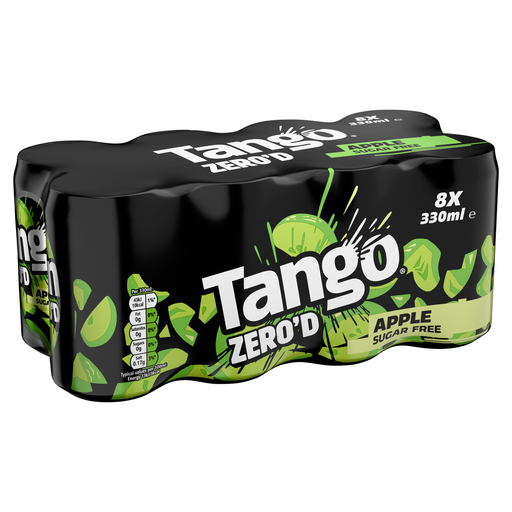
Tango Sugar Free Apple 8 × 330ml pack

Tango Sugar Free Apple 8 × 330ml

An apple-flavoured multipack to consider when you want individual cans rather than a poured juice serving. Check the current pack’s sugars, carbohydrates, juice content and sweeteners; its name does not make it 100% apple juice.

View on Joybuy
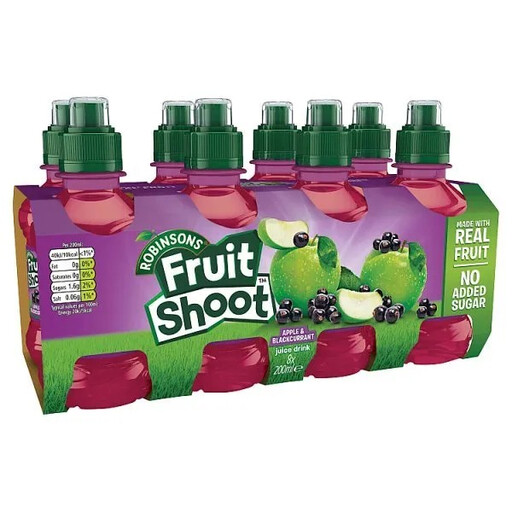
Fruit Shoot Black & Apple No Added Sugar 8 × 200ml pack

Fruit Shoot Black & Apple No Added Sugar 8 × 200ml

Individual 200ml bottles offer a different serving format from a jug of apple juice. This is an apple-and-blackcurrant drink, not 100% apple juice; check the current pack’s sugars and ingredients. Its supplied product information warns against use for children under 36 months because the caps contain small parts.

View on Joybuy
Appletiser 100% Apple Juice Lightly Sparkling 6 × 250ml pack

Appletiser 100% Apple Juice Lightly Sparkling 6 × 250ml

Consider this option when you specifically want sparkling 100% apple juice. A 250ml can is larger than the NHS-advised combined daily 150ml of fruit juice and smoothies, so measure a smaller pour if serving it as juice; check the current pack’s sugars per 100ml.

View on Joybuy

Questions about apple drinks

Is ‘no added sugar’ apple juice necessarily low in sugar?

No. The NHS counts sugars in unsweetened fruit juice as free sugars, and Tesco Groceries lists 10g sugars per 100ml for Copella Apple Juice 900ml. Compare the current product’s sugars per 100ml and per portion rather than relying on the front-of-pack wording.

How much apple juice should I pour at Bonfire Night?

Measure the portion rather than offering open-ended refills. NHS Healthier Families advises children and adults to have no more than a combined 150ml of fruit juice and smoothies a day, so account for any they have already had.

Is an apple-flavoured ‘zero’ drink the same as apple juice?

No. Tesco describes Apple Zero as a no-added-sugar carbonated apple-flavoured soft drink with sweeteners, not as 100% apple juice. Check the ingredients and nutrition panel if either juice content or sugars matter to your choice.

What matters when choosing apple juice for someone tracking carbohydrates?

Check the carbohydrates and sugars for the actual portion being served, rather than assuming juice sugars do not count because they come from fruit. Diabetes UK distinguishes juice from whole fruit, which retains fibre; individual dietary decisions should follow the person’s own care advice.