Families serving children
Measured glasses or individual packs make portions easier to plan. The NHS advises that children and adults have no more than 150ml of fruit juice and smoothies combined each day, at mealtimes.


Choose 100% apple juice if fruit content matters most and you can measure servings; choose a no-added-sugar juice drink if its lower listed sugars per glass and sweetener-containing recipe suit your guests. No added sugar does not mean sugar-free: the NHS counts sugars in unsweetened fruit juice as free sugars and advises children and adults to have no more than 150ml of fruit juice and smoothies combined each day, at mealtimes.
Measured glasses or individual packs make portions easier to plan. The NHS advises that children and adults have no more than 150ml of fruit juice and smoothies combined each day, at mealtimes.
A no-added-sugar apple juice drink may fit this preference, but check its sugars per serving, fruit percentage and sweeteners rather than relying on the front-of-pack claim alone.
A larger bottle lets you pour measured servings. If you choose 100% juice, remember that the sugars remain even when none have been added.
Decide whether fruit content or sugars per serving matters more to your gathering, then check the pack size and label for the way you intend to serve it.
| Priority | What to check | Your needs |
|---|---|---|
| Product type | Read the product name, ingredients and fruit percentage. A no-added-sugar claim does not establish that a drink is 100% juice or sugar-free. | If I want juice made entirely from fruit, fruit content matters more to me than the no-added-sugar wording alone. |
| Sugars per serving | Compare the nutrition panels on the same 150ml basis. Tropicana Orchard Apple lists 15g sugars per 150ml, while Tesco No Added Sugar Apple Juice Drink lists 3.1g per 150ml; these are different product types. | I want to know how many sugars are in the amount I will actually pour, not just whether sugar was added. |
| Sweeteners | Check the ingredients if guests prefer to avoid particular sweeteners. Tesco lists sucralose in its no-added-sugar apple juice drink. | A drink with fewer listed sugars only suits my plans if its ingredients also suit the people I am serving. |
| Portions and storage | Compare a measured glass with the pack size, and follow that product’s storage instructions after opening. The NHS advises a daily combined limit of 150ml for fruit juice and smoothies, at mealtimes. | For children and adults, I need to plan servings rather than assume a bottle or carton is one recommended portion. |
Fruit-based drinks can contain sugars even when no sugar has been added. The phrase also does not tell you how much fruit juice the drink contains.
Read the ingredients and fruit percentage, then compare sugars for the same serving size on the nutrition panel.
The NHS counts sugars in unsweetened fruit juice as free sugars and advises a combined daily limit of 150ml for fruit juice and smoothies for children and adults.
Measure juice servings and offer them at mealtimes; keep water available as another drink.
ASDA’s 150ml apple-and-pear juice drink lists 6% apple juice, 4% pear juice and sucralose. A small pack tells you the portion size, not the fruit content.
Check both the pack volume and ingredients when choosing individual drinks.
Storage requirements affect whether a larger bottle is practical for your gathering. ASDA instructs shoppers to refrigerate its 1L apple juice after opening and use it within four days.
Check the instructions on the bottle you buy and plan how you will store any juice left after the event.
Tropicana describes Orchard Apple as 100% pressed juice, not from concentrate.
Copella Cloudy Apple is a pressed apple-juice option for guests who prefer cloudy juice.
Tesco lists a 1L no-added-sugar apple juice drink alongside an apple-and-pear version.
Sainsbury's lists a no-added-sugar apple-and-pear juice drink with sweeteners.
ASDA’s apple drinks include a 1L apple juice from concentrate and a 150ml apple-and-pear juice drink.
M&S lists several apple-drink formats, including an apple-and-elderflower high juice intended to be diluted.
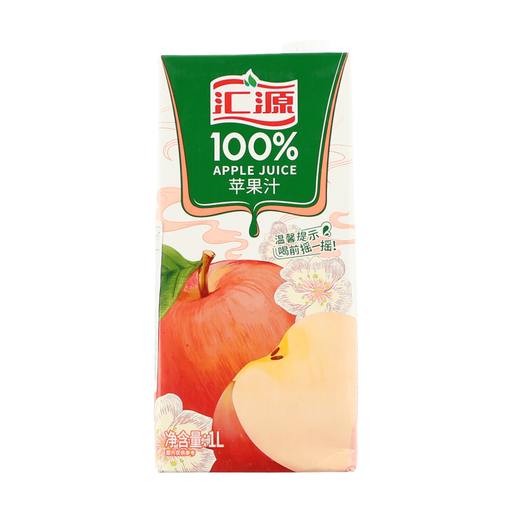
These options are for shoppers considering apple juice for a Bonfire Night gathering. One is a larger bottle for measured pours; the other is sparkling juice in individual cans. Check each pack’s current ingredients and nutrition information against your priorities.
 No image available
The 1L bottle is a shared format: measure glasses if you are following the NHS 150ml daily guidance for fruit juice and smoothies, and check the current label for ingredients, sugars and storage instructions.
 No image available
The individual cans offer a sparkling option, but each 250ml can is larger than the NHS 150ml daily guidance for fruit juice and smoothies combined. Check the current label for sugars and ingredients rather than treating a whole can as the suggested juice portion.
No. An apple drink can contain sugars even if none have been added. The NHS also counts sugars in unsweetened fruit juice as free sugars, so check the nutrition panel for the amount in your intended serving.
The NHS advises children and adults to have no more than 150ml of fruit juice and smoothies combined each day, at mealtimes. Measure a serving from a larger bottle; a 250ml can or bottle is not automatically one suggested juice portion.
Choose 100% apple juice if fruit content is the priority, while planning a measured serving. If sugars per glass are the priority, compare no-added-sugar juice drinks on the same serving basis and check their fruit percentages and sweeteners. The NHS 150ml daily guidance for fruit juice and smoothies still matters when serving juice.
Follow the instructions on the particular pack rather than using the outdoor temperature as a storage guide. For example, ASDA says its 1L apple juice should be refrigerated after opening and used within four days.
Keep alcohol out of the fireworks-handling plan: the Office for Product Safety and Standards advises never drinking alcohol when handling fireworks. Apple drinks can be among the non-alcoholic refreshments, alongside water, but do not replace other fireworks-safety precautions.