What should you check before buying?
Decide whether you need one measured cold-brew batch or separate drinks, then check the preparation and serving details for the exact product.
| Priority | What to check | Your needs |
|---|
| Prepared volume |
Check the concentrate-to-liquid ratio, not just the pack size. Tesco’s 100ml plus 100ml water instructions and Grind’s stated 1:1 ratio each make 1 litre from 500ml of concentrate; two packs make 2 litres before ice. |
I’m filling a jug for the group rather than handing out several small drinks. |
| Drink format |
Check whether the product is cold brew, another coffee concentrate or a ready-to-drink latte. NESCAFÉ’s 500ml Espresso Concentrated is an iced-coffee base, not cold brew; its recipe uses 30ml concentrate with 150ml liquid per serving. |
Separate servings would be easier for my guests, or I’d rather mix a black-coffee base and let them add their own milk. |
| Ingredients |
Read the current labels for the coffee and any mixers. M&S lists semi-skimmed milk in its Classic Latte; its Oat Latte is marked unsuitable for people with coeliac disease or a wheat allergy. |
Guests may want black coffee, a different mixer or a drink that avoids particular ingredients. |
| Caffeine and storage |
Check caffeine per stated serving and measure concentrate when mixing. NESCAFÉ GB lists approximately 87mg per Classic serving. For opened concentrate, Tesco lists refrigeration and use within four weeks, Grind within seven days and NESCAFÉ within 14 days; follow the label for the product you buy. |
At an evening gathering, I want guests to know what they’re being served and to handle any leftovers according to the product instructions. |
Joybuy options for the gathering
These options cover a portioned coffee liquid to mix into drinks and individual ready-to-drink iced coffees. The ready-to-drink espresso option is not cold brew.
 No image available
J.ZAO Extra-Strong Americano Cold Brew Coffee Liquid, 10 × 25ml pouches
The individual pouches offer a way to mix drinks for guests rather than serve from a ready-to-drink bottle. Check the pack’s mixing directions to plan the finished volume and strength, and its caffeine information before serving.
View on Joybuy
 No image available
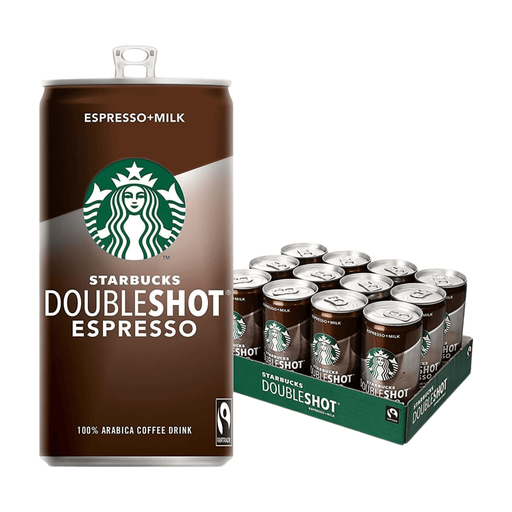
Starbucks Doubleshot Espresso Iced Coffee, 12 × 200ml
Twelve separate 200ml drinks provide 2.4 litres in total for guests who prefer individual servings. This is iced espresso coffee, not cold brew; check the pack’s ingredients, caffeine information and storage directions before serving.
View on Joybuy
Frequently asked questions
Do I need one 2-litre bottle to serve 2 litres of cold brew?
No. Tesco’s instructions mix its 500ml cold-brew concentrate 1:1 with water, and Grind states the same ratio for its 500ml carton. Two packs of either make 2 litres of prepared coffee before ice, without needing a single large bottle.
How much Tesco Finest concentrate makes 2 litres?
Use two 500ml bottles with 1 litre of cold water in total. Tesco’s instruction is 100ml concentrate to 100ml water, giving 2 litres of prepared coffee before ice.
Can NESCAFÉ Espresso Concentrated make a batch of about 2 litres?
Yes, if an iced espresso drink suits your guests rather than cold brew. Scaling NESCAFÉ GB’s recipe of 30ml concentrate plus 150ml liquid gives approximately 333ml concentrate and 1.67 litres of chosen liquid for about 2 litres before ice. The brand lists approximately 87mg caffeine per stated Classic serving.
What should I check when serving guests with different ingredient needs?
Read the current labels of the coffee and every mixer, and keep the packaging available when guests serve themselves. M&S lists semi-skimmed milk in its Classic Latte and marks its Oat Latte unsuitable for people with coeliac disease or a wheat allergy; an oat drink should not be assumed suitable for every guest avoiding dairy.
How long can I keep opened coffee concentrate?
Follow the instructions for the specific concentrate. Tesco Finest says to refrigerate after opening and consume within four weeks; Tesco’s Grind listing says seven days, and NESCAFÉ GB says to refrigerate its Classic concentrate and use it within 14 days. Those periods describe the opened concentrates, not a prepared drink mixed with milk.


