Hosts avoiding caffeine
For an evening gathering where caffeine avoidance matters, start with a fruit or herbal infusion explicitly labelled caffeine-free. Do not assume that a tea labelled decaffeinated makes the same claim.


Choose a fruit or herbal infusion explicitly labelled caffeine-free if avoiding caffeine matters more than a traditional tea taste. Twinings explains that decaffeinated conventional tea can retain small traces of caffeine; choose that route if you prefer a familiar tea-and-milk cup. For a Bonfire Night drink, compare apple-and-spice, citrus-and-ginger and simpler fruit flavours, then check the exact pack for ingredients and allergen statements.
For an evening gathering where caffeine avoidance matters, start with a fruit or herbal infusion explicitly labelled caffeine-free. Do not assume that a tea labelled decaffeinated makes the same claim.
If apple, cinnamon or ginger appeals more than a plain berry flavour, consider a caffeine-free spiced infusion. Pukka Wild Apple & Cinnamon and teapigs Pumpkin Spiced Chai offer different ingredient combinations, so compare the exact blends.
If a familiar black-tea cup, perhaps with milk, matters more than a fruit flavour, decaffeinated black tea is the more relevant route. Twinings notes that minor traces of caffeine can remain after decaffeination.
Choose when: Avoiding caffeine is the main requirement and the individual fruit or herbal blend is labelled caffeine-free.
Trade-off: It will not give you the familiar profile of black tea; its fruit, spice and botanical ingredients vary by blend.
Choose when: You prefer conventional tea flavour but want less caffeine.
Trade-off: Twinings says decaffeination removes nearly all caffeine, but minor traces can remain.
| Priority | What to check | Your needs |
|---|---|---|
| Caffeine | Read the exact pack’s caffeine wording and ingredient list. Twinings distinguishes naturally caffeine-free fruit and herbal infusions from processed decaffeinated tea, which can retain traces. | I want a hot drink for the evening and need to know whether it is labelled caffeine-free, not simply decaf. |
| Flavour | Compare the named ingredients: Pukka Wild Apple & Cinnamon lists apple, cinnamon and ginger; teapigs Pumpkin Spiced Chai lists apple alongside several spices. | For Bonfire Night, would I enjoy an apple-and-spice cup, or would a simpler fruit flavour suit me better? |
| Ingredients | Check the chosen variant’s full ingredients and allergen or factory statements. teapigs says its Honeybush & Rooibos is made in a factory that handles nuts; that statement is specific to that product. | Someone I’m serving may need me to check the exact blend rather than rely on a general herbal-tea label. |
Decaffeinated conventional tea can retain small traces of caffeine, according to Twinings. That distinction matters when caffeine avoidance is the reason for buying the drink.
Choose a fruit or herbal infusion explicitly labelled caffeine-free, and check its ingredients if you also want to avoid conventional tea leaves.
An infusion containing apple can also contain prominent spices. teapigs Pumpkin Spiced Chai, for example, lists cinnamon, cardamom, clove and star anise.
Compare the ingredient lists before choosing between a simple fruit profile and a chai-style cup.
Statements apply to individual products: teapigs says its Honeybush & Rooibos is made in a factory that handles nuts.
Read the current pack’s ingredients and allergen statement for the precise flavour you plan to serve.
A fruit-and-herbal category can contain quite different blends, including rooibos and fruit-flavoured infusions.
Use the listing to narrow your choice, then read the selected product’s own label for caffeine wording, ingredients and allergens.
Offers fruit and herbal infusions separately from its decaffeinated conventional teas.
Has fruit and herbal blends with different botanical and spice profiles.
Offers caffeine-free rooibos and spice-led infusions alongside other tea styles.
Distinguishes its herbal infusions from its decaffeinated black tea.
Its fruit-and-herbal category includes different drink types, including fruit tea and rooibos.
Lists own-brand fruit infusions and, separately, decaffeinated tea.
These options focus on herbal infusions for a hot Bonfire Night drink, from hibiscus and ginger to citrus and soursop. If you want the flavour of conventional black tea instead, use the decaffeinated-tea checks above.
 No image available
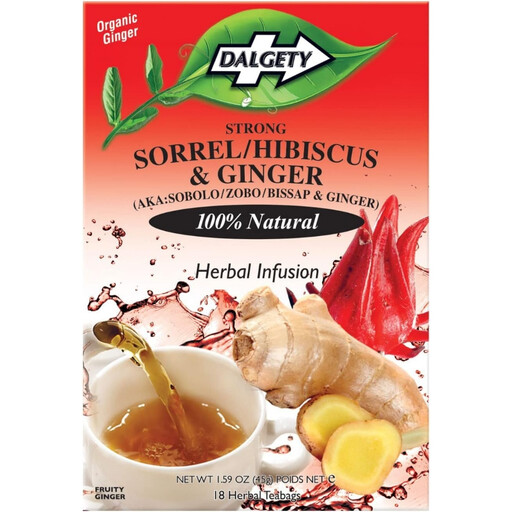
Consider this hibiscus-and-ginger option if you prefer a tart flavour to an apple-and-spice blend. Preparation calls for measuring and straining the tea. Its product information advises consulting a healthcare professional before use during pregnancy or breastfeeding, when taking medication, or with a medical condition; check the pack’s caffeine wording too.
 No image available
A citrus-and-ginger option for individual hot cups rather than a berry or apple fruit tea. Check this pack’s ingredients and caffeine-free wording before serving.
 No image available
Consider this for a soursop-leaf infusion rather than a blend containing fruit pieces or juice. Check the individual pack for its caffeine statement and hot-brewing directions.
 No image available
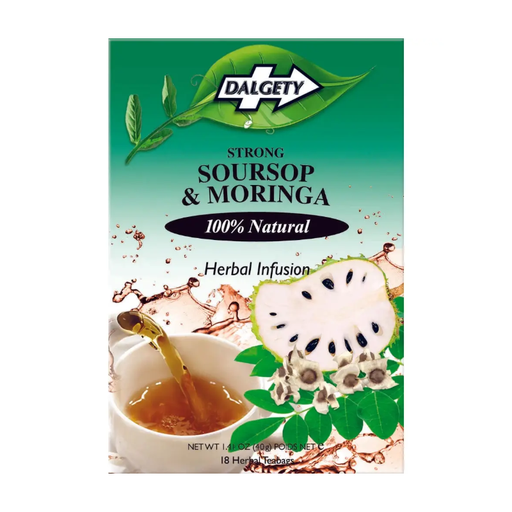
An option for a soursop-and-moringa leaf infusion, not a fruit-piece blend or an apple-and-spice cup. Check the pack’s caffeine wording. Its product information advises consulting a healthcare professional before use during pregnancy or breastfeeding, when taking medication, or with a medical condition.
No. Twinings distinguishes fruit and herbal infusions, which it describes as naturally caffeine-free, from conventional tea processed to remove nearly all its caffeine. Decaffeinated tea can retain small traces, so check the individual pack if avoiding caffeine matters.
For apple with cinnamon and ginger, consider Pukka Wild Apple & Cinnamon. If you want a chai-style spice blend, teapigs Pumpkin Spiced Chai lists apple, cinnamon, cardamom, clove and star anise. Both brands label those particular products naturally caffeine-free.
Yes; follow the brewing directions for the exact blend. For example, teapigs directs users to infuse its Honeybush & Rooibos in boiling water for at least 3 minutes.
Read the exact product’s ingredients and allergen statement before serving it. teapigs states that its Honeybush & Rooibos is made in a factory that handles nuts; do not assume another flavour has the same statement or dietary claims.