Hosts serving different preferences
Keep a ready-to-drink alcohol-free choice distinct from mixers and any alcoholic bases. Guests can then see what is in the drink they choose.


For guests who want an alcohol-free drink without a separate base, choose a ready-to-drink option and check the exact pack’s ABV if complete avoidance matters. A tonic or soda gives guests more choice over flavour, but the finished drink’s alcohol content depends on what is added; “light” and “slimline” describe a different consideration from alcohol content.
A book-club drinks selection works better when guests can choose their own alcohol status and flavour, rather than relying on one shared recipe.
Keep a ready-to-drink alcohol-free choice distinct from mixers and any alcoholic bases. Guests can then see what is in the drink they choose.
A mixer lets the host control whether an alcoholic base is added and how much is poured. Someone who wants to avoid alcohol altogether needs a separately checked option.
Classic quinine, citrus and botanical flavours offer different tastes. Calories and sugar are separate label checks, not clues to the alcohol content of a mixed drink.
Decide which drinks need to avoid alcohol before choosing flavours or a lighter-calorie mixer. Keep bases separate when guests may want different serves.
Choose when: A guest wants a complete drink without relying on the host to select a separate base.
Consider: The flavour is fixed, and anyone needing complete alcohol avoidance should check the exact pack’s ABV.
Choose when: Guests want to build their own tonic or soda drink using a checked alcohol-free base.
Consider: A light or slimline mixer does not establish the alcohol status of the base.
Choose when: A guest wants an alcoholic drink and the host can measure the base separately.
Consider: The finished drink is not automatically low alcohol; its strength depends on the base and the amount used.
| Priority | What to check | Your needs |
|---|---|---|
| Alcohol status | Read the ABV on the exact ready-to-drink pack or chosen base. For a mixed drink, account for everything added. | If I need to avoid alcohol completely, I want to check the finished serve rather than rely on a mixer’s name. |
| Serving method | Choose between a complete ready-to-drink serve and a mixer with a separate base. Check the pack format against the number of guests. | I would rather offer individual drinks if guests are likely to choose different options. |
| Flavour | Compare classic quinine bitterness with citrus, herbal or other botanical descriptions. Check the proposed base separately. | Not everyone wants a strongly flavoured tonic, so I want a choice that does not depend on one recipe. |
| Calories and sugar | Compare nutrition information for the exact variant, using the same per 100ml basis. Do not treat “light” or “slimline” as an ABV statement. | When sugar matters to me, I want the label for the drink I am serving, not an assumption based on its name. |
| Ingredients | Read the exact variant’s ingredient and allergen information, including any sweeteners or botanical ingredients. | I need to let guests check ingredients for themselves before their drinks are mixed. |
A calorie comparison says nothing about the amount of alcohol in a spirit or other base added to the glass.
Decide on the alcohol status first. Use a checked alcohol-free base for an alcohol-free mixed serve, or measure an alcoholic base separately for guests who choose one.
UK Department of Health and Social Care guidance on alcohol-substitute drinks describes “low alcohol” as 1.2% ABV or below, with the maximum ABV indicated on the label. That does not establish the status of every drink grouped together on a shelf.
Check the exact product label and, when mixing, the ingredients of the finished drink—particularly if a guest needs to avoid alcohol completely.
Quinine-led, citrus and herbal styles have distinct flavour profiles; a single botanical mixer may not suit every guest or chosen base.
Consider offering a simpler tonic or soda alongside a more characterful option, and leave garnishes optional.
These examples show the kinds of drinks and label claims available to compare; a brand’s mixer range is not itself a guarantee about the ABV of a finished serve.
Its range includes regular and Refreshingly Light tonics, as well as a separately named Non-Alcoholic Mediterranean G&T ready-to-drink product.
Its tonic examples include Premium Indian, Naturally Light Indian and citrus-led Oriental Yuzu.
Slimline Tonic Water offers a tonic format for shoppers comparing sugar and calorie information.
Britvic described classic and zero-sugar Indian Tonic can variants in its 2023 range announcement.
These options include one ready-to-drink alcohol-free-labelled cocktail, several tonic mixers and an elderflower soda that can be used as a mixer. Choose any separate base according to the drink each guest wants.
 No image available
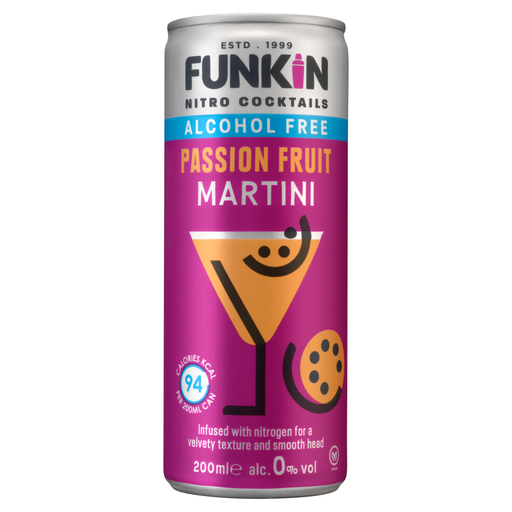
A passion-fruit ready-to-drink choice when a guest does not want the host to add a separate base. Check the exact pack’s ABV and ingredients if complete alcohol avoidance matters.
 No image available
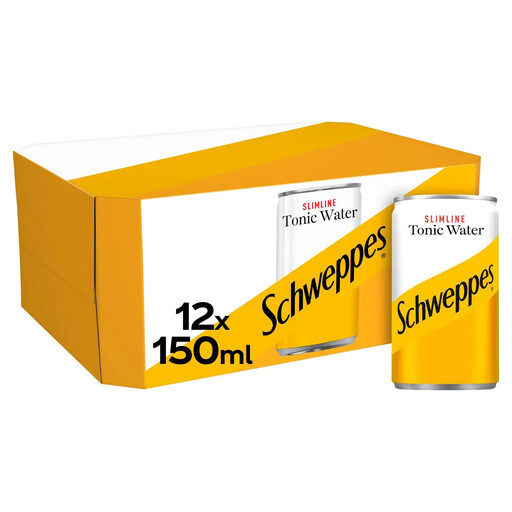
Individual tonic cans suit a gathering where guests may choose different bases. Slimline refers to the mixer; check any base separately to establish the finished drink’s alcohol content.
 No image available
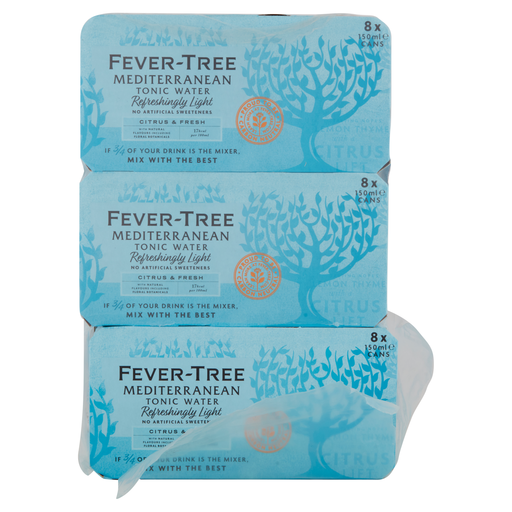
A Mediterranean-style tonic option in individual cans for guests who prefer that flavour direction. Choose the base separately: the mixer’s light positioning does not establish the ABV of a mixed drink.
 No image available
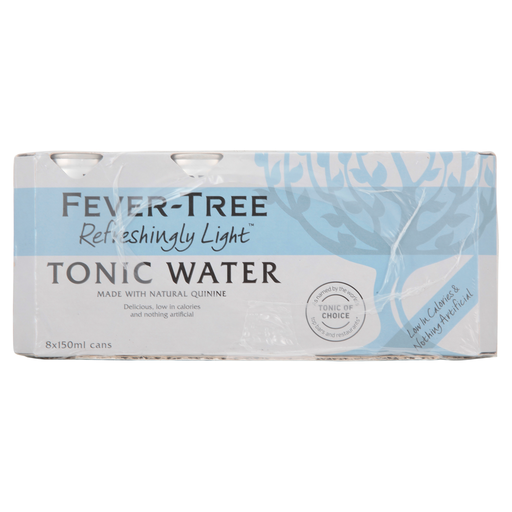
An individual-can tonic choice for guests who want a host-built drink. Check its exact nutrition label if sugar matters, and select the base separately for the intended alcohol content.
 No image available
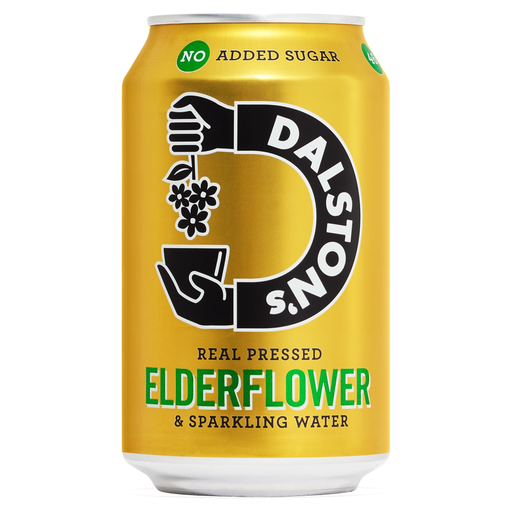
An elderflower alternative to tonic that can be offered as a drink or used as a mixer. If adding a base, check it separately; for sugar preferences, read the exact can’s nutrition label.
UK Department of Health and Social Care guidance on alcohol-substitute drinks says the “low alcohol” descriptor is for drinks at 1.2% ABV or below and calls for the maximum ABV to appear on the label. Check the exact product and any base added to it rather than applying that descriptor to a finished mixed drink automatically.
No. Fever-Tree and Fentimans describe particular light tonics through comparisons with their own regular products, while Coca-Cola Great Britain describes Schweppes Slimline in terms of calories and sugar. None of those descriptions establishes the alcohol content of a drink after a base is added.
A ready-to-drink product labelled alcohol-free avoids choosing a separate base for that serve. For example, Fever-Tree describes its Non-Alcoholic Mediterranean G&T as a complete drink; if the guest must avoid alcohol completely, check the ABV and ingredients on the exact pack purchased.
Keep mixers, alcohol-free choices and any alcoholic bases separate so guests can identify what goes into their glass. Individual cans can make separate portions straightforward; check each pack size against the group rather than assuming everyone wants the same serve.
Yes. Flavourings, quinine, sugar and sweeteners differ between products, so read the ingredient and allergen information for each exact variant. ABV answers a different question from whether a drink meets a guest’s ingredient preferences or requirements.