
24/7 Customer Support

Free returns

Same-day & Next-day Delivery

Quality Guaranteed

Unlock Your Welcome Offers: FREE Delivery | Up to 80% OFF | Free 30-day JoyPlus trial
Download the APP
A bookcase is more than just a place to store your reading list; it's a cornerstone of your home's personality. It can be a quiet home office storage workhorse, a vibrant display unit in your living room, or even a clever room divider. Yet, finding the right bookshelf that balances style, function and budget can feel like a challenge. Many options promise the world, but which ones truly deliver on practicality and design for UK homes?
This guide is designed to help you navigate the choices. We'll walk through key considerations for selecting a standing shelf and highlight a few recommendations that stand out for their design and utility, helping you find a piece of living room furniture that you'll appreciate for years to come.
Before you start browsing, a little planning goes a long way. Focusing on these three areas will help you narrow down the options and select a bookcase that fits your space and needs perfectly.
The first step is always practical. Measure the height, width and depth of the area where you plan to place the unit. A tall bookcase, such as a 5 tier bookcase or 6 tier bookcase, is excellent for maximising vertical storage in rooms with high ceilings, drawing the eye upward. For smaller rooms or awkward spaces, consider how a corner unit or a more compact standing shelf could provide storage without overwhelming the area. Think about what you'll be storing—heavy hardbacks require sturdier shelves than paperbacks and decorative items.
A bookcase should complement your existing decor. The industrial bookshelf style, often featuring a mix of wood-effect finishes and metal frames, brings a raw, urban edge that works well in modern and rustic interiors. For a clean, minimalist look, a modern bookcase with simple lines and neutral colours like white or oak-effect is a versatile choice. A classic wooden bookcase offers timeless warmth and can suit almost any decor, from traditional to contemporary.
Think about the role you want your storage shelves to play. An open-back design can function as a subtle room divider in an open-plan living area, defining zones without blocking light. A standard closed-back bookshelf offers a solid, traditional look and prevents items from falling behind. If your primary goal is to showcase treasured items, a display unit with varied shelf heights and an interesting silhouette might be more suitable than a simple, uniform bookcase.
Here are a few options that cater to different styles and functional needs, selected for their blend of design, practicality and positive user feedback.
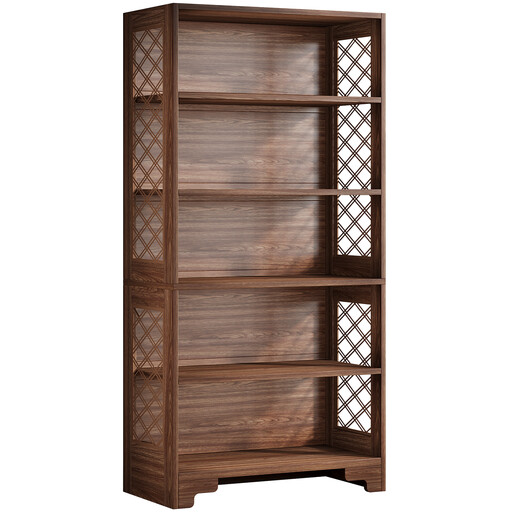
Why It Stands Out: This tall bookcase combines a popular industrial aesthetic with impressive storage capacity. The distinctive X-shaped metalwork on the sides adds a structural and visual flair that elevates it from a simple storage shelf to a statement piece. Its vintage brown finish provides a warm, rustic feel that is highly versatile.
Pros:
6 tier bookcase, it offers substantial vertical space for books, files and decor.Who is it for? This is an excellent choice for anyone needing serious home office storage or a focal point for a living room with an industrial or modern-rustic theme. Its height and capacity make it ideal for avid readers or collectors.
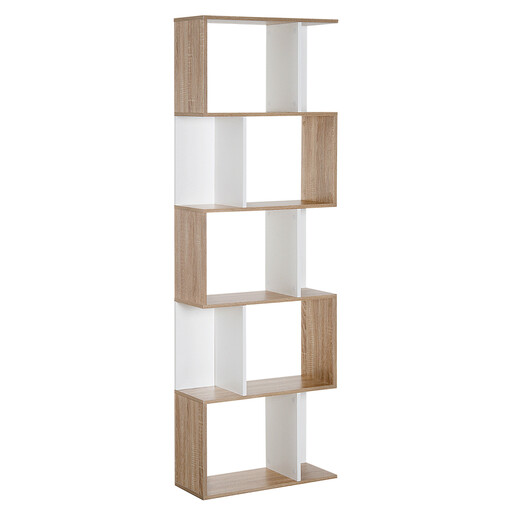
Why It Stands Out: The HOMCOM S-shaped unit is a prime example of a modern bookcase that doubles as a piece of art. Its unique, staggered design and open back make it a perfect candidate for a stylish room divider. The white and oak-effect finish is central to the Scandi aesthetic, bringing a light and airy feel to any space.
Pros:
bookshelf, a display unit or to partition a larger room.5 tier bookcase in an S-shape provides a dynamic and visually interesting way to display your belongings.Who is it for? Ideal for those who prioritise modern design and want a piece that does more than just hold books. It's particularly well-suited for open-plan flats or anyone looking to add a creative, functional element to their decor.
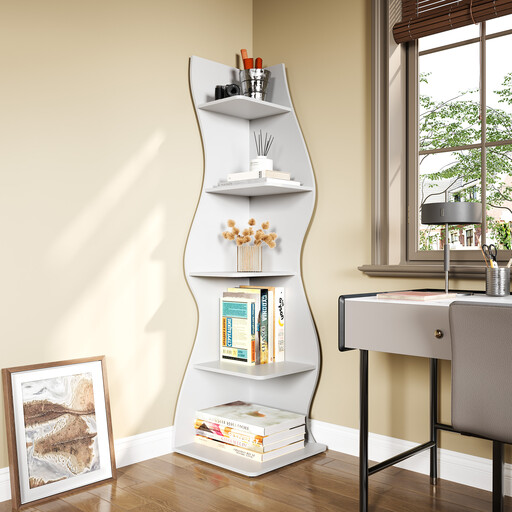
Why It Stands Out: This unit proves that you don't need a large wall to have effective and stylish storage. Designed specifically for corners, its unique curved shelves transform an often-underutilised part of a room into a functional display area. The all-white finish gives it a clean, contemporary look that blends in seamlessly.
Pros:
5 tier bookcase, it provides ample shelving for plants, photos and paperbacks without being bulky.Who is it for? Renters, small-space dwellers, or anyone looking to add a touch of elegance and utility to an empty corner. It’s a great solution for displaying decorative items rather than housing a heavy library.
Our recommendations cover a range of popular styles, but the perfect bookshelf is a personal choice. If you haven't found your ideal match yet, or if you're looking for different sizes, colours and materials, we invite you to explore our broader collection of bookcases to find the one that’s right for you.
1. How do I stop my tall bookcase from wobbling? Most stability issues can be solved by ensuring the unit is on a completely level surface. For tall bookcase models, it is highly recommended to use the anti-tipping hardware that is often included. This secures the top of the unit to the wall, preventing it from falling forward, which is especially important in homes with children or pets. Also, try to place heavier items on the bottom shelves to lower the centre of gravity.
2. What is the difference between a bookcase and a bookshelf? The terms are often used interchangeably. Generally, a bookcase refers to a freestanding piece of furniture with multiple shelves, like the products featured above. A bookshelf can be a more general term, sometimes referring to a single shelf or a set of shelves mounted directly onto a wall. In everyday language, most people use both terms to describe a standing shelf unit for books.
3. What are some simple tips for styling a bookcase? To create a visually appealing display, start by varying the orientation of your books—stack some horizontally and place others vertically. Use stylish bookends to keep rows neat. Break up the rows of books by adding decorative objects like small plants, photo frames or vases. Most importantly, don't feel the need to fill every inch of space. Leaving some "breathing room" makes the display feel more curated and less cluttered.