Hosts with mixed tastes to consider
A labelled 70% dark bar gives the group a cocoa-led starting point without making a more intense 90% bar the only choice. Keep individual preferences in mind when deciding whether to offer a sweeter alternative.


For a book club trying dark chocolate, a labelled 70% bar is a starting point; choose white chocolate instead if the group prefers a sweeter, creamier option, and make 90% dark chocolate an optional comparison for people who enjoy a more intense taste. Cocoa percentage helps distinguish these choices, but it does not tell you whether everyone will like a bar or whether it is suitable for guests with allergies. Check the current pack before sharing.
The choice depends on whether the meeting calls for a familiar sweet snack, a dark-chocolate tasting or a comparison of cocoa levels.
A labelled 70% dark bar gives the group a cocoa-led starting point without making a more intense 90% bar the only choice. Keep individual preferences in mind when deciding whether to offer a sweeter alternative.
If members already enjoy intense dark chocolate, a 90% bar can sit alongside a 70% bar as an optional contrast. A higher percentage indicates more cocoa-derived ingredients, not an overall quality score.
Choose for each guest using the exact pack’s ingredients and allergen statements. Dark colour, cocoa percentage and a vegan-recipe description do not resolve milk or other allergen concerns.
Decide which flavour direction suits the group, then check the exact bar’s format and label before serving it.
Choose it when: the group wants a sweeter, creamier chocolate.
Bear in mind: Lindt UK and M&S Food describe white chocolate as containing no cocoa solids, so it will not provide a high-cocoa dark-chocolate comparison.
Choose it when: a mixed group wants to try a less-sweet, cocoa-led bar.
Bear in mind: recipes and individual tastes differ, while allergen warnings must be checked separately from the cocoa percentage.
Choose it when: participants specifically want a more intense tasting comparison.
Bear in mind: M&S Food describes higher-cocoa chocolate as more intensely chocolatey; do not assume it suits everyone expecting a sweet snack.
| Priority | What to check | Your needs |
|---|---|---|
| Cocoa level | Read the stated cocoa percentage. Lindt UK explains that it represents the proportion of ingredients derived from cocoa beans; it is not a taste guarantee. | We want a cocoa-led discussion, but I would keep a 90% bar optional if some members prefer sweeter chocolate. |
| Ingredients and allergens | Read the exact pack’s ingredients and precautionary statements before serving. The UK Food Standards Agency explains that ‘may contain’ labelling communicates possible unintended allergen presence. | If a guest has a relevant dietary restriction, I need to assess the bar against their requirements rather than rely on ‘dark’ or ‘vegan recipe’ on its own. |
| Sharing format | Check the pack size, whether the product is a bar for eating or an ingredient intended for cooking, and how you plan to divide it. | For a tasting discussion, I want pieces the group can compare; if we are baking for the meeting, a cooking product serves a different purpose. |
| Flavour variation | Check whether the bar is plain, fruit-flavoured or origin-labelled, so comparisons are not attributed to cocoa percentage alone. | I may want to compare flavours, but I would distinguish a raspberry bar from a plain dark bar when asking members what they notice. |
A high cocoa percentage does not rule out milk ingredients or precautionary warnings. Lindt Shop UK says its EXCELLENCE 70% bar is made to a vegan recipe but is not suitable for people with a milk allergy because it is manufactured in a facility using milk.
Ask guests about relevant restrictions in advance and check the ingredients and allergen statements on the exact pack before sharing.
According to Lindt UK and M&S Food’s chocolate guides, higher-cocoa dark chocolate generally tastes less sweet and more intense. That makes a 90% bar a different tasting proposition from a 70% bar.
Use a labelled 70% bar as the main dark-chocolate starting point for mixed tastes, with 90% as an optional comparison.
M&S presents its 70% dark cooking chocolate for cakes, cookies and desserts. Meeting a cocoa-percentage target alone does not settle whether that format fits the planned activity.
For pieces to share at the table, check that you are selecting a bar for eating; choose cooking chocolate when baking or melting is part of the plan.
Waitrose & Partners notes that recipes can change, affecting nutrition and allergen information. This matters particularly when the chocolate will be served to someone with an allergy.
Use a listing to shortlist bars, then read the current physical pack before buying and serving.
These examples illustrate different chocolate choices; a brand name alone does not establish a bar’s cocoa level or allergen suitability.
Lindt Shop UK lists an EXCELLENCE Dark 70% Bar, 100 g, with at least 70% cocoa solids.
Waitrose & Partners lists a 90 g Organic 70% Dark Chocolate Bar with organic and Fairtrade claims.
Waitrose & Partners lists No.1 dark bars labelled 65% and 90%, as well as an origin-labelled dark bar.
M&S lists a 100 g dark cooking chocolate with at least 70% cocoa solids.
Cadbury UK lists a 100 g Bournville Classic Dark Chocolate Bar.
These bars offer labelled 70%, 72% and 90% dark-chocolate choices for the book-club tasting. They are options for the dark-chocolate side of the decision, not substitutes for choosing white chocolate when that better suits the group.
 No image available
A 90 g bar to consider as the group’s 70% dark-chocolate starting point. The listing states at least 70% cocoa solids and describes organic and Fairtrade claims. Check the current pack’s milk and nut information before sharing.
 No image available
A 100 g bar for a cocoa-led tasting or an origin-labelled comparison. Its description states at least 72% cocoa solids and identifies Dominican Republic cocoa. Check the current pack for soya and its precautionary allergen warnings before serving.
 No image available
This 90 g bar adds a raspberry variation to a tasting rather than a like-for-like comparison with plain dark chocolate. The description states at least 70% cocoa solids and 3% freeze-dried raspberry pieces. Check the current pack’s milk, gluten and nut statements before sharing; do not use a vegan-friendly description to decide allergy suitability.
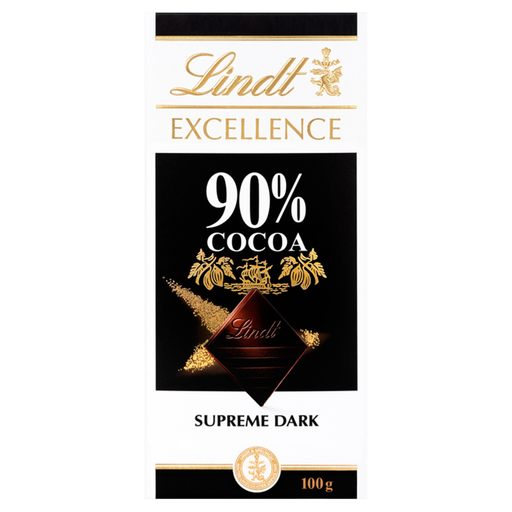 No image available
A 100 g bar labelled 90% cocoa for members who want an optional, more intense dark-chocolate comparison. Confirm the current ingredients and allergen statements on the pack before serving it.
Not if the aim is to compare high-cocoa dark bars. Lindt UK and M&S Food describe white chocolate as containing cocoa butter but no cocoa solids; choose it when the group would rather have a sweeter, creamier option.
A 70% label cannot predict everyone’s preference. Lindt UK explains that cocoa percentage measures cocoa-derived ingredients, while M&S Food describes higher-cocoa chocolate as generally more intense. For mixed tastes, consider a 70% bar alongside a sweeter alternative rather than assuming one bar suits the whole group.
Do not assume it is. Lindt Shop UK says its EXCELLENCE 70% bar is made to a vegan recipe but is not suitable for people with a milk allergy because it is manufactured in a facility using milk. Check the exact current pack against the guest’s requirements before serving.
The UK Food Standards Agency describes precautionary allergen labelling as a warning that a regulated allergen could be unintentionally present, for example through cross-contact. Treat it as relevant to the guest’s allergy decision, not as a description of the chocolate’s flavour.