
24/7 Customer Support

Free returns

Same-day & Next-day Delivery

Quality Guaranteed

Unlock Your Welcome Offers: FREE Delivery | Up to 80% OFF | Free 30-day JoyPlus trial
Download the APP
Choosing Bordeaux wine online can feel more complicated than it should. Labels may highlight châteaux, appellations and vintage details while leaving out the practical information shoppers need: how the wine is likely to taste, what food it suits and whether the bottle offers sensible value.
A few common buying traps can lead to disappointment:
Bordeaux red wine is generally made from blends rather than one grape variety. Merlot often contributes plum-like fruit and a softer texture, while Cabernet Sauvignon can add blackcurrant character, acidity and firmer tannins. Cabernet Franc may contribute aromatic lift and herbal or floral notes.
For a smoother choice to drink with a weekday meal, look for a Merlot-influenced blend. If you enjoy a more structured claret wine with grilled meat or mature cheese, a Cabernet-led blend may be more suitable.
The regional designation gives useful context, but it is not a substitute for reading the product details.
A standard Bordeaux wine 75cl bottle contains approximately five 125ml glasses. Alcohol strength varies by product, so check the stated ABV and UK alcohol units before purchasing. Several bottles in this selection range from around 13.5% to 14.5% ABV.
Wine commonly contains sulphur dioxide or sulphites, which must be declared as an allergen. Always check the product label if you have a known sensitivity. Alcohol is restricted to customers aged 18 and over in the UK. Drink responsibly, and do not drive or operate machinery after drinking.
Store unopened bottles in a cool, dark place away from sunlight and temperature fluctuations. If a bottle has a cork and will be kept for longer, horizontal storage can help prevent the cork from drying out. Once opened, reseal and refrigerate where appropriate, then follow the product guidance—many wines are best consumed within two to three days.
Serve full-bodied reds slightly below typical room temperature, around 15–18°C, rather than warm from a centrally heated room. Crisp white Bordeaux is usually more refreshing when chilled, commonly around 8–10°C.
A large, tapered glass gives red wine room to release its aromas. The Luigi Bormioli Talismano Bordeaux glasses have a 700ml capacity, lead-free crystal glass construction and are dishwasher-safe, making them practical for dinner parties as well as everyday use.
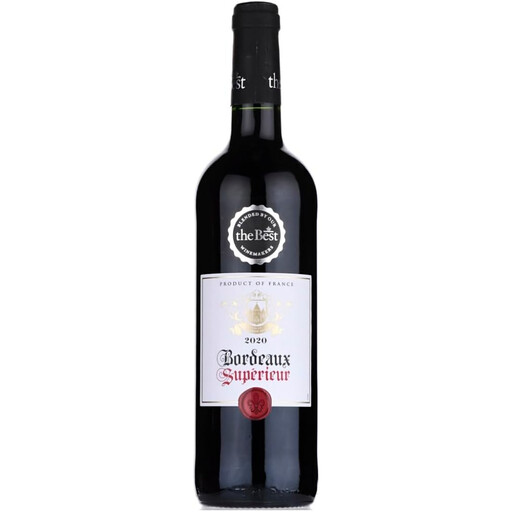
Why This Fits Their Persona: A 75cl Bordeaux Supérieur at 13.5% ABV, offering a familiar starting point for shoppers exploring French red wine with dinner.
The listed Merlot, Cabernet Sauvignon and Cabernet Franc blend gives more useful style information than relying on the front-label name alone.
Medium-bodied profile; suitable with lamb, steak, chicken, mushrooms and hard cheeses.
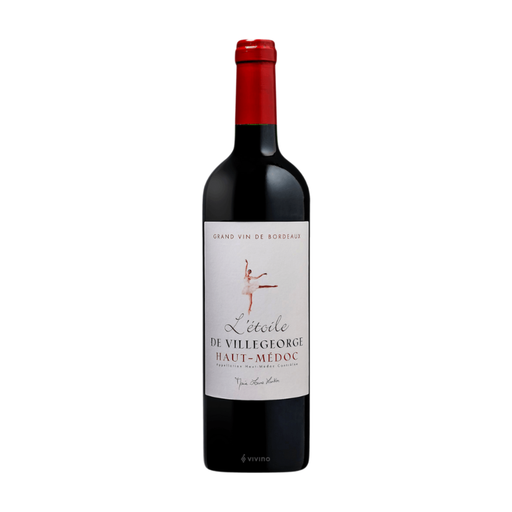
Why This Fits Their Persona: A Haut-Médoc wine for shoppers who value a structured Bordeaux red wine for a formal meal or considered gift.
The appellation, grape varieties and stated storage guidance are clearly provided, helping buyers judge structure and keeping requirements.
13.5% ABV; blackcurrant, blackberry, cedar and spice notes listed; suitable for red meat and mature cheese.
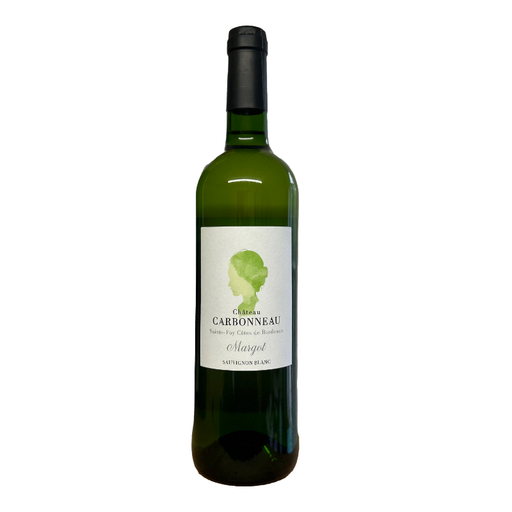
Why This Fits Their Persona: A practical Bordeaux white wine for seafood suppers, summer entertaining, aperitifs and shoppers who prefer a fresh alternative to red wine.
The Sauvignon Blanc grape, 14% ABV and recommended serving temperature are specified, reducing uncertainty when buying white wine online.
Citrus and tropical fruit profile; pairs with oysters, prawns, scallops, salads and soft cheeses.
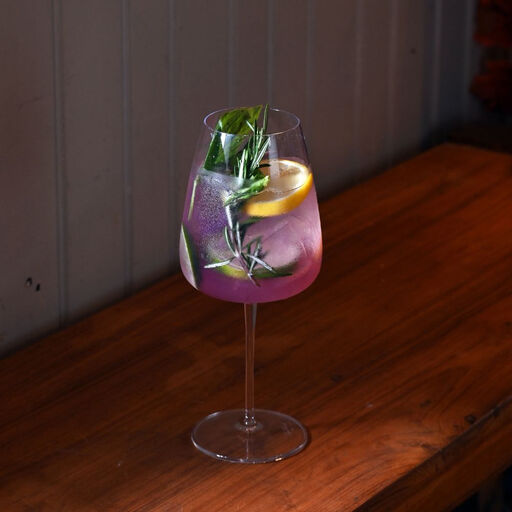
Why This Fits Their Persona: A four-piece glass set for dinner parties, housewarming presents or improving the presentation of Bordeaux and other full-bodied reds.
The 700ml capacity, lead-free crystal material and dishwasher-safe construction are stated, rather than relying on appearance alone.
Set of four; tapered bowls provide space for aroma; dishwasher-safe for routine household use.
We have compiled a complete, real-time list of products that fully satisfy these strict selection criteria and UK safety regulations.
No. Bordeaux is widely associated with claret-style red wine, but the region also produces white wines, including Sauvignon Blanc-led bottles. Check the colour, grape variety and serving instructions before ordering.
Many opened wines are most enjoyable within two to three days when tightly resealed and stored appropriately. White wine should generally be refrigerated after opening. Product labels may provide more specific guidance.
For red meat and hard cheese, consider a structured Bordeaux red wine such as a Montagne-Saint-Émilion or Haut-Médoc style. For seafood, salads and lighter dishes, a chilled Sauvignon Blanc Bordeaux can be more suitable. If you are serving several dishes, compare the blend, ABV and flavour description rather than choosing by appellation alone.