
24/7 Customer Support

Free returns

Same-day & Next-day Delivery

Quality Guaranteed

Unlock Your Welcome Offers: FREE Delivery | Up to 80% OFF | Free 30-day JoyPlus trial
Download the APP
Navigating the world of Bordeaux wine can feel like a complex task. With its myriad of ch?teaux, appellations and vintages, it is easy to feel overwhelmed and even easier to make a purchase that does not quite meet expectations. Many UK shoppers find themselves stuck in a rut, either buying the same label repeatedly or being swayed by confusing terminology, only to be disappointed by the wine in the glass.
As the Joybuy Product Recommendation Officer, my role is to help you sidestep these common issues. This guide will cut through the marketing clutter, focusing on the practical details that ensure you choose a bottle you will genuinely enjoy, whether for a quiet weeknight dinner or a special occasion.
Before we explore what to look for, let's identify the frequent traps that can lead to a disappointing purchase:
To make an informed choice, focus on a few key factors that define the wine's character far more than a fancy label.
The Gironde estuary divides Bordeaux into two main areas, each with a distinct style primarily driven by the dominant grape variety:
Knowing this simple difference allows you to select a French red wine that aligns with your personal taste, whether you prefer bold structure or soft, ripe fruit.
While not the only factor, certain terms on the label can indicate a step up in quality control and concentration:
Instead of a generic list, we have matched a few noteworthy bottles to specific needs and preferences, helping you find the right Bordeaux wine for any occasion.
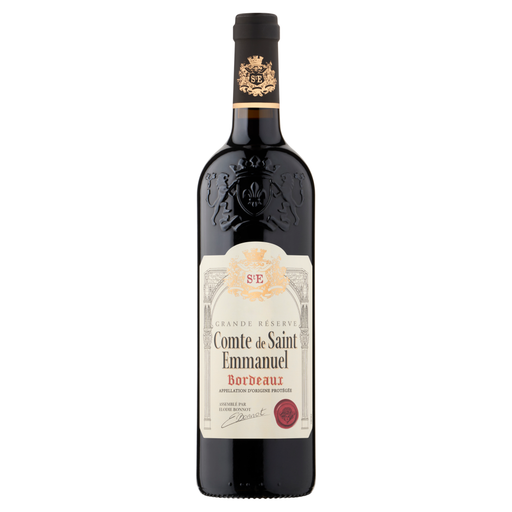
Why This Fits Their Persona: This is for the person who wants a reliable, well-made red for a midweek pasta dish or Friday night pizza. It offers classic Bordeaux character without requiring a special occasion.
It avoids the "Label Lingo Trap" by being an honest, straightforward Bordeaux. It delivers exactly what you expect: a balanced, fruit-forward red with a hint of spice, making it a dependable choice.
Features a lovely roundness on the palate with aromas of black fruit, vanilla and coffee. Its balanced profile makes it exceptionally versatile for food pairing.
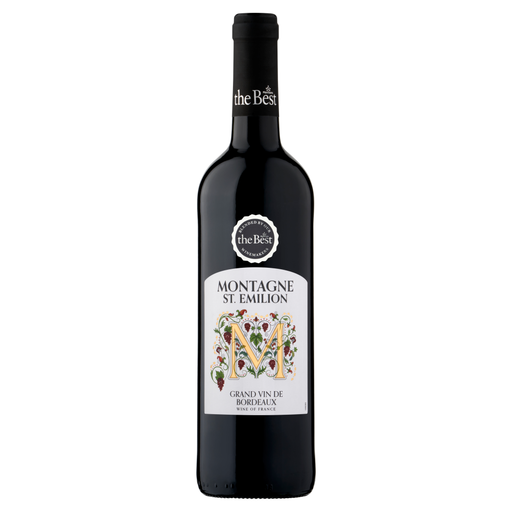
Why This Fits Their Persona: This is for the host who wants to impress with a classic pairing for roast beef or lamb. It has the structure and complexity to stand up to rich foods and elevate the meal. Also available as a case of Bordeaux wine for stocking up.
It avoids "Appellation Ambiguity" by focusing on a specific, quality Right Bank origin. You are not just buying "Bordeaux"; you are buying a Montagne St Emilion, known for its plush, Merlot-driven character.
This is a full-bodied red with layers of sun-ripened plum, cassis and an earthy cedar aroma. Its robust character is an ideal companion for roasted meats and hard cheeses.
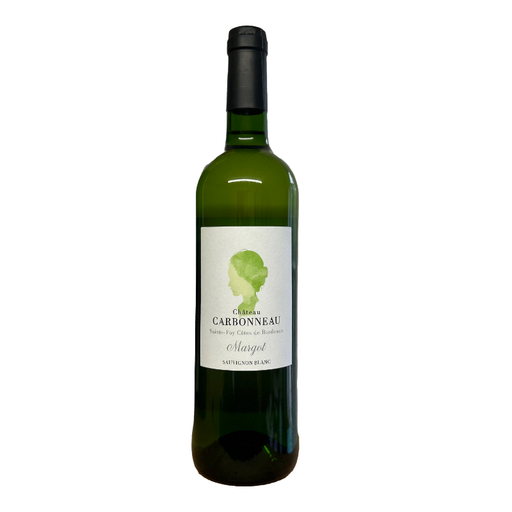
Why This Fits Their Persona: Perfect for anyone who enjoys zesty, aromatic white wines and is looking for an alternative to New Zealand Sauvignon Blanc or Sancerre. It is ideal for an aperitif or with seafood. A case deal is also available.
This wine directly counters the "Red-Only Rut." It showcases the elegant and refreshing style of Sauvignon Blanc Bordeaux, proving the region's versatility and offering excellent value in white wine.
It has an enticing bouquet of zesty lemon, passion fruit and a hint of jasmine. The palate is crisp and refreshing with a clean, zesty finish, making it a superb match for oysters, grilled shrimp and light salads.
We have compiled a complete, real-time list of products that fully satisfy these strict selection criteria and UK safety regulations.
1. What is the difference between Bordeaux and Bordeaux Supérieur? The main difference lies in the production standards. For a wine to be labelled Bordeaux Supérieur, it must adhere to stricter regulations than a standard Bordeaux AOC. This includes using grapes from older vines and having a higher minimum potential alcohol level, which typically results in a wine with more structure, complexity and aromatic concentration. It is often a good indicator of a step up in quality for a small step up in price.
2. How should I serve Bordeaux red wine? For most Bordeaux red wine, serving it at a cool room temperature, around 16-18°C, is ideal. If the wine is too warm, the alcohol can seem more pronounced; if too cold, the aromas and flavours will be muted. For younger, more tannic reds, decanting the wine for 30-60 minutes before serving can help soften the tannins and open up the aromas.
3. Do I really need specific Bordeaux wine glasses? While not strictly necessary, using the right glassware can significantly enhance the experience. A classic Bordeaux wine glass has a large bowl and a relatively tall shape. This design allows the wine to breathe, concentrating the complex aromas towards your nose and directing the flow of wine to the back of the palate, which can help balance the fruit, tannin and acidity. For those who regularly enjoy fuller-bodied reds, a set like the Luigi Bormioli Talismano Bordeaux Red Wine Glasses can be a worthwhile addition.