Botanical painters with an iPad
If you already have an iPad, its exact model and generation determine which Apple Pencil options you can consider for drawing fine stems, petals and outlines.


Choose a pen only after identifying the exact tablet it must work with. If you are starting without a compatible tablet, compare a standalone drawing tablet with a computer-connected pen display instead. For botanical painting beside a bright window, assess reflections on the screen separately: a more capable stylus will not change the display finish.
If you already have an iPad, its exact model and generation determine which Apple Pencil options you can consider for drawing fine stems, petals and outlines.
If reflections make pale petals or fine leaf veins difficult to see, assess the screen finish and your working position as well as the pen.
Without a compatible tablet, the choice is between a self-contained drawing tablet and a pen display that connects to another device.
Start with the device you own or plan to use, then decide whether screen reflections or drawing controls are the greater obstacle at your window-side workspace.
| Concern | What to check | Who this matters to |
|---|---|---|
| Screen readability | Check the exact display’s finish and where you can position it relative to the window. An anti-glare finish is not a promise of visibility in direct sun. | If reflections obscure pale petals and leaf veins, being able to see the screen matters more than adding pen controls. Around 42% of consumers put screen readability first. |
| Compatibility and brush control | Match the pen to the tablet’s exact model and generation, then check which drawing controls the combination offers. | If I already have a tablet, I need a pen that works with it before I can judge how its controls suit fine outlines. Around 33% of consumers prioritise compatibility and brush control. |
| A complete drawing setup | Decide whether you need a standalone tablet or can accommodate a compatible host device, connections and desk space for a pen display. | Without a suitable tablet, buying a replacement pen alone will not give me a place to draw. For around 25% of consumers, choosing the complete setup comes first. |
Apple Pencil Pro works only with specified iPad models, while the cited Samsung S Pen is intended for the applicable Galaxy Tab S9/S10-series route. A matching connector or familiar product name is not enough to establish compatibility.
Find your tablet’s exact model and generation, then check the manufacturer’s compatibility list for the pen you intend to buy.
Choosing an incompatible pen can mean arranging a return and choosing again.
Reflection control belongs to the display, not the pen. Wacom describes etched anti-glare glass on the Wacom One 14; Huion describes a nano-etched screen on the Kamvas Slate 13.
If glare hides subtle botanical details, check the particular screen and plan its angle and position beside the window.
Wacom One connects to a compatible host device, whereas Huion describes the Kamvas Slate 13 as a standalone Android tablet. They involve different working setups.
Choose a connected display only if its host-device requirements fit how and where you paint; otherwise, consider a standalone tablet.
A connected setup also needs room for the host device and its connections.
Apple Pencil options are relevant if you have an iPad named on the particular Pencil’s compatibility list.
The cited S Pen is a route for the applicable Galaxy Tab S9/S10-series devices.
Wacom One is a connected drawing-device route, not a replacement pen for an iPad or Galaxy Tab.
Huion offers different routes: the Kamvas Slate 13 is a standalone Android tablet, while the Kamvas Pro 13 is a connected pen display.
These choices cover a tablet supplied with a drawing pen and two separate Apple Pencil options for an existing compatible iPad. Check the exact device and screen you will use before deciding which route fits painting beside your window.
 No image available
Consider this self-contained tablet if you are starting without a compatible drawing device.
The listed configuration has a 12.7-inch 2K display, an included stylus with 4096 pressure levels and Android 15.
For window-side painting, confirm the screen finish; if tilt-based brushwork matters to you, check the included pen’s controls too.
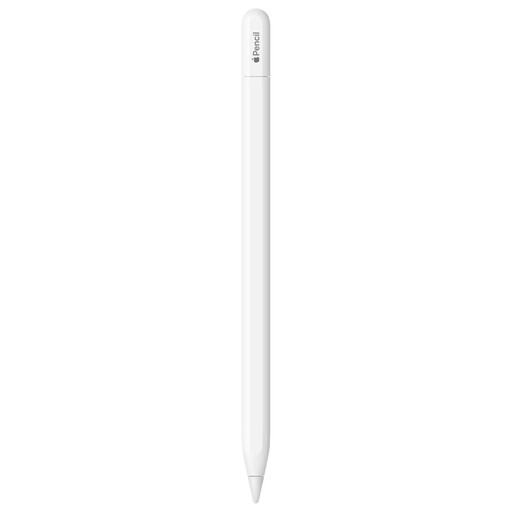 No image available
This is an option to assess if you paint on an iPad and want a USB-C Apple Pencil.
Check your exact iPad model against Apple’s compatibility information before buying; the connector alone does not establish compatibility. Assess reflections on the iPad screen separately.
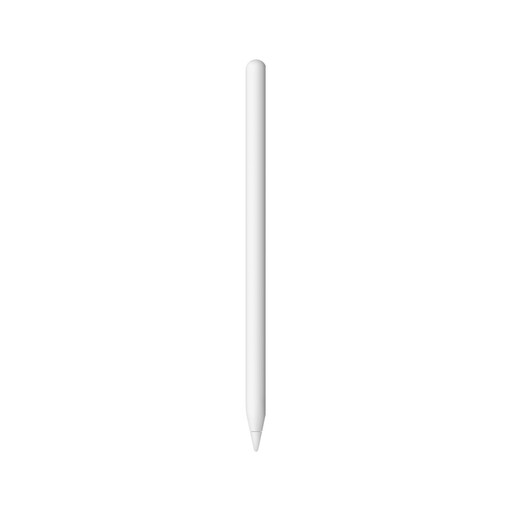 No image available
Consider this distinct Apple Pencil model for botanical drawing only if your iPad appears on its compatibility list.
Check the exact iPad generation and the drawing controls you need. The iPad display and its position beside the window determine how reflections affect your work.
No. Apple limits Pencil Pro compatibility to specified iPad Pro, iPad Air and iPad mini models. Check your iPad’s full model and generation against Apple’s list; its USB-C port is not enough.
No: the display and its position govern reflections, not the stylus. Wacom describes anti-glare etched glass on the Wacom One 14, and Huion describes a nano-etched screen on the Kamvas Slate 13; assess the exact screen in the light where you plan to paint.
No. Wacom says Wacom One connects to a PC, Mac, Chromebook or compatible Android device. If you need to draw without a host device, consider a standalone tablet instead.
Use an appropriate electrical-waste recycling route rather than household rubbish. GOV.UK’s Office for Product Safety and Standards says a retailer must accept an old electrical product free on a like-for-like basis when you buy a new one; check the practical take-back arrangements with the retailer.