
24/7 全天候客户支持

免费退货

当日/次日达

品质保障

开启新人专享福利: 全场免邮 | 低至 2 折 | 免费试用 30 天 JoyPlus 会员
下载 Joybuy
Keeping your reusable bottles truly clean can be a challenge. Whether it's a baby bottle with stubborn milk residue, a water bottle with a lingering odour or a narrow thermos flask that standard sponges can't reach, finding the right tool is essential for hygiene. A simple rinse is often not enough to remove the build-up that can accumulate inside.
This guide is designed to help you navigate the options and find a durable and effective bottle cleaning brush that suits your needs. We will look at key features to consider before you buy and share some of our top recommendations for keeping your containers spotless.
Choosing the right brush can make all the difference. Here are a few practical points to consider to ensure you get a tool that is both effective and safe for your bottles.
The material of the brush head is a primary consideration. Traditional brushes use nylon or plastic bristles, which are effective for scrubbing away tough residue. However, they can sometimes scratch more delicate materials and may wear down or trap particles over time.
A silicone bottle brush is an increasingly popular alternative. Silicone is non-porous, which means it is less likely to harbour bacteria, is generally easier to clean and can often be sterilised at high temperatures. It provides a gentler clean, making it a suitable choice for baby bottles and plastic containers you wish to keep scratch-free.
The design of the handle impacts both comfort and effectiveness. An ergonomic, non-slip grip is important for maintaining control, especially when cleaning with soapy water. A long handle bottle brush is crucial for reaching the bottom of tall water bottles, flasks and thermoses. Before purchasing, consider the deepest container you need to clean and ensure the brush's length is adequate.
Bottles come in all shapes and sizes, and so should their cleaners. For containers with tight openings, a narrow bottle cleaner is essential. Some brushes feature flexible heads or specially shaped tips to effectively clean the curved shoulders and corners of a bottle. For parents, a comprehensive bottle cleaning set is often the most practical choice, as it will typically include smaller brushes designed specifically for teats, straws and other small feeding accessories.
Here are a few standout options that cater to different cleaning needs, from daily household use to specialised baby care.
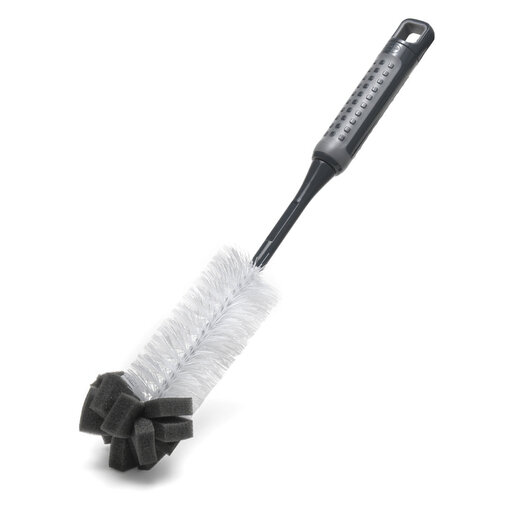
Why It Stands Out: This brush combines a durable plastic handle with a soft sponge tip, offering a gentle yet effective clean. The sponge material is designed to prevent scratching, making it a safe choice for glass, plastic baby bottles and other delicate items.
Pros:
Who is it for?
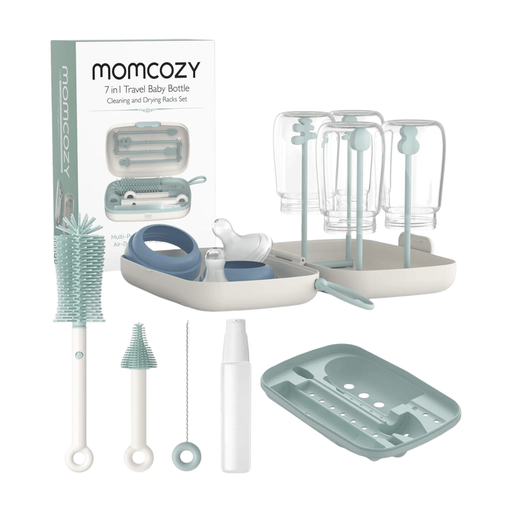
Why It Stands Out: This is a complete cleaning system for parents and caregivers. Made from food-grade silicone, this set includes everything needed to hygienically clean bottles, teats and pump parts. Its compact case with a built-in drying rack makes it an excellent travel bottle brush set.
Pros:
Who is it for?
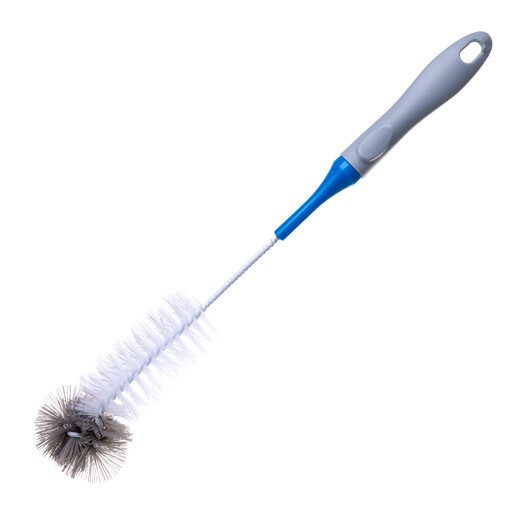
Why It Stands Out: This brush is built for tackling hard-to-reach places. Its extra-long handle and narrow bristle head make it the perfect tool for deep containers. The durable plastic bristles provide a firm scrubbing action to remove stubborn residue from the bottom of flasks and tall bottles.
Pros:
Who is it for?
If these recommendations aren't quite what you're looking for, or if you need a brush for a different type of cleaning task, there are many other solutions available.
Explore our full range of Cleaning Tool Brushes to find the perfect tool for every container in your home.
1. How often should I replace my bottle cleaning brush? It is good practice to replace your bottle brush every 30 to 45 days, or sooner if you notice the bristles are frayed, bent or discoloured. For silicone brushes, replace them if you see any signs of tearing or degradation. Regular replacement helps ensure effective cleaning and prevents the transfer of bacteria.
2. Is a silicone or bristle bottle brush better? This depends on your needs. Silicone brushes are durable, hygienic and gentle on surfaces, making them ideal for baby bottles and plastics. Bristle brushes offer a more vigorous scrubbing action, which can be more effective for removing dried-on residue in stainless steel or glass containers.