
24/7 Customer Support

Free returns

Same-day & Next-day Delivery

Quality Guaranteed

Unlock Your Welcome Offers: FREE Delivery | Up to 80% OFF | Free 30-day JoyPlus trial
Download the APP
Navigating the world of baby products can feel overwhelming, especially when it comes to bottle feeding essentials. With so many options on the market, it’s easy to fall into common traps that lead to wasted money and a cupboard full of unused items. As your Joybuy Product Recommendation Officer, my role is to help you sidestep the marketing clutter and focus on what truly matters for a smooth and comfortable feeding journey for you and your little one.
Before you add anything to your basket, let’s look at the most frequent pitfalls new parents encounter:
To make an informed choice, focus on these non-negotiable parameters. Getting these right from the start will save you time, money and stress.
The teat is the most critical part of the bottle for your baby. The two main considerations are shape and flow.
Discomfort from swallowing air is a common issue for bottle-fed babies. Anti-colic baby bottles are designed to minimise this. They typically work in one of two ways:
Safety and hygiene are paramount. Always ensure any product you choose is explicitly labelled as BPA-free. This is a standard for baby products sold in the UK, but it is always worth checking.
Consider how you will keep everything sterile. A traditional baby bottle steriliser and dryer is effective for handling large batches. However, for convenience and travel, many modern bottles now feature innovative self-sterilising designs that only require a microwave and a small amount of water.
Instead of a one-size-fits-all approach, we have matched some practical options to the distinct needs of different parents.

Why This Fits Their Persona: For parents juggling a busy schedule, efficiency is key. This bottle's main advantage is its built-in sterilisation function, which is perfect for quick turnarounds between feeds or when travelling light without a bulky steriliser.
It directly solves the "ignoring the cleaning commitment" pitfall. The bottle disassembles for easy cleaning and self-sterilises in the microwave in just 3 minutes, removing the need for a separate appliance.
Features a vented base for an even drinking flow to reduce colic. The SkinSoft silicone teat is designed for high acceptance among babies.
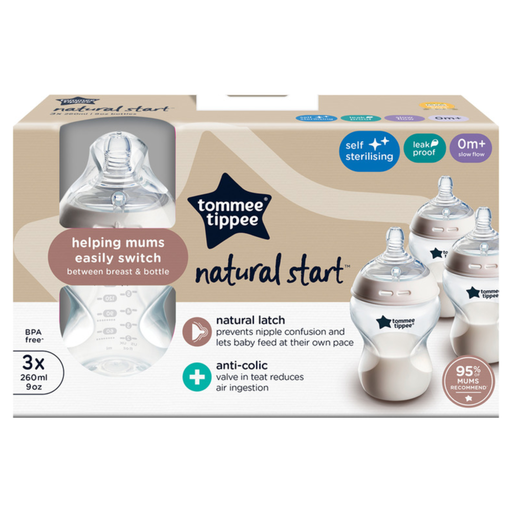
Why This Fits Their Persona: This parent's priority is finding a bottle that won't interfere with breastfeeding. The design of the teat is paramount, and this bottle focuses on mimicking the natural shape and feel of a breast to encourage an easy latch.
It avoids the "one-size-fits-all" trap by offering a specialised design. The soft silicone teat flexes and stretches, which is specifically intended to make the transition between breast and bottle smoother.
Features a wide neck for easy cleaning and an integrated anti-colic valve in the teat. The compact bottle shape is also easy for both parent and baby to hold.
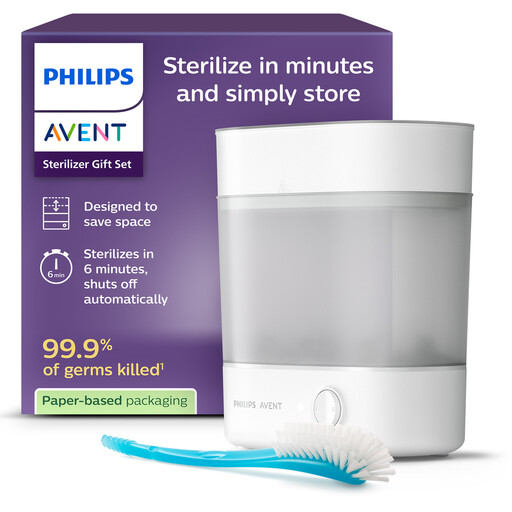
Why This Fits Their Persona: For parents who are exclusively bottle-feeding or have twins, sterilising becomes a constant task. A dedicated, high-capacity machine is not a luxury but a necessity for maintaining hygiene efficiently.
This user's needs justify a dedicated appliance. It prevents them from being overwhelmed by the constant cycle of washing and sterilising individual bottles, which is a major source of stress.
Sterilises up to 6 bottles in a quick 10-minute cycle. The adjustable size saves counter space, and items remain sterile for up to 24 hours with the lid closed.
We have compiled a complete, real-time list of products that fully satisfy these strict selection criteria and UK safety regulations.
It is generally recommended to replace teats every 2-3 months for hygiene and safety. However, you should inspect them before every feed. If you notice any signs of damage, such as cracks, tears or the material becoming sticky, you should replace it immediately to prevent any parts from breaking off and becoming a choking hazard.
Many modern baby bottles are dishwasher-safe (usually on the top rack). It is an effective way to clean them. However, washing in the dishwasher does not sterilise them. You will still need to sterilise the bottles and teats after washing, especially for babies under 12 months, to eliminate any remaining bacteria. Always check the manufacturer's instructions.
A regular bottle does not have a specific mechanism to control airflow. As a baby drinks, a vacuum can form, causing the teat to collapse and forcing the baby to release their latch. When they re-latch, they can swallow air, which may lead to gas and discomfort. An anti-colic bottle has a built-in vent system (either in the teat or the base) that allows air to flow into the bottle as milk flows out, preventing a vacuum and reducing the amount of air mixed with the milk.