
24/7 Customer Support

Free returns

Same-day & Next-day Delivery

Quality Guaranteed

Unlock Your Welcome Offers: FREE Delivery | Up to 80% OFF | Free 30-day JoyPlus trial
Download the APP
As the appreciation for East Asian food and culture grows across the UK, so does the demand for authentic beverages. A refreshing bottle of ready-to-drink green tea can be a delightful discovery, but the expanding market also presents a few challenges for the uninformed buyer. Many find themselves with a drink that is either surprisingly bitter or unexpectedly sugary, leading to disappointment.
As a Joybuy Product Recommendation Officer, my role is to help you navigate these choices. Here, we will look at the common pitfalls when shopping for bottled green tea and break down the key factors to check, ensuring your next purchase is a satisfying one.
Navigating the beverage aisle can be tricky. Many products look appealing, but what is inside the bottle might not match your expectations. Here are two frequent traps to be aware of.
The "Healthy Halo" Trap: Green tea is widely associated with health benefits, but many bottled versions are far from a simple, healthy drink. It is common to find a ready to drink green tea that contains as much, or even more, sugar per 100ml than a standard fizzy drink. These are often marketed with fresh, natural imagery, masking a high sugar content that undermines the reason many people choose green tea in the first place.
The Unexpected Flavour Profile: Not all green teas are created equal. An authentic Asian iced tea can have a much stronger, more vegetal or even bitter taste than the sweetened, lemon-infused iced teas common in the West. If you are expecting a sweet, light beverage and instead get a robust, unsweetened iced tea, the experience can be jarring. This flavour mismatch is a common source of buyer's remorse.
To avoid the pitfalls and find a drink you will genuinely enjoy, focus on these two essential parameters on the product label.
This is the most critical factor. Do not just look at the front of the bottle; turn it over and examine the Nutritional Information.
unsweetened iced tea will have 0g.The character of the drink is defined by its base tea and any added ingredients.
Chinese tea drink is often made from pan-fired leaves, resulting in a mellow, slightly toasty flavour. A Japanese green tea is typically steamed, which yields a fresher, more vegetal and sometimes grassy taste.jasmine green tea bottle is a classic, offering a fragrant, delicate aroma. Fruit flavoured tea is also common, with popular pairings including green plum, grapefruit and citron (yuja). Check if the product uses real fruit juice concentrate or simply "flavouring" for a more authentic taste.To help you find the right fit, here are a few recommendations matched to different preferences and needs.

Why This Fits Their Persona: This is for the individual seeking an authentic, unadulterated tea experience. It is a pure Chinese green tea, perfect for those who appreciate the genuine taste of tea leaves without any distractions, making it an ideal choice for daily, guilt-free hydration.
It directly counters the "Healthy Halo" trap by being genuinely healthy, with 0 sugar, 0 calories and 0 fat. There is no hidden sweetness, just pure tea.
Offers a crisp, clean finish characteristic of pan-fired Chinese green tea. The case of 15 is also ideal for those looking to buy bulk iced tea.
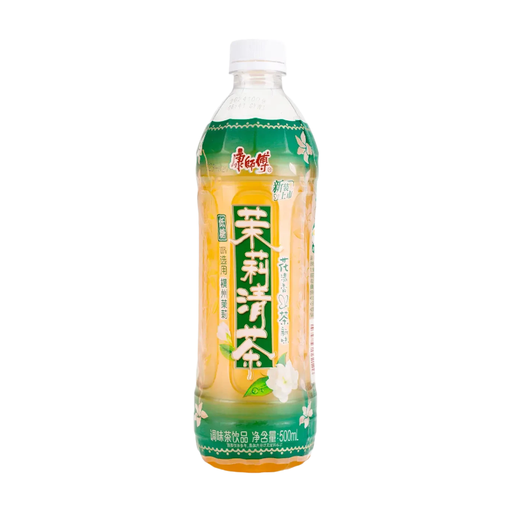
Why This Fits Their Persona: This is an excellent starting point for anyone new to Asian tea drinks. It is one of the most popular choices for a reason: its flavour is accessible, refreshing and balanced, making it a safe and enjoyable introduction.
It avoids the "Unexpected Flavour" trap by offering a crowd-pleasing profile. The light sweetness (4.0g of sugar per 100ml) and fragrant jasmine aroma are pleasant and not overpowering.
The delicate floral notes from the jasmine infusion make this jasmine green tea bottle exceptionally refreshing. It is light enough to accompany a meal without overwhelming it.
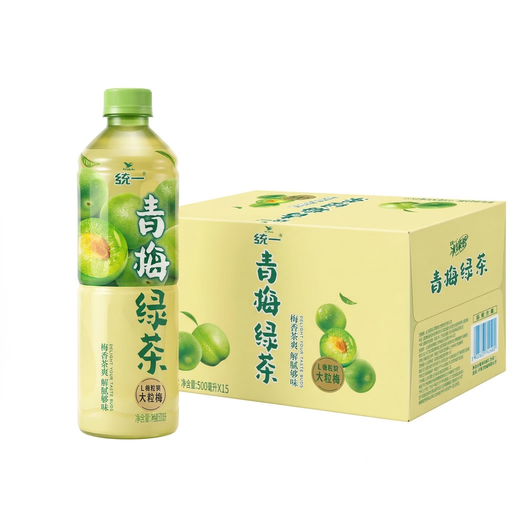
Why This Fits Their Persona: For those who have tried standard green tea and are looking for something different, this fruit flavoured tea offers a unique taste journey. The combination of sweet and tangy plum with earthy green tea is a classic in Chinese beverages.
This drink is unapologetically unique. It avoids the trap of being a generic "fruit tea" by delivering a distinct green plum flavour, thanks to the inclusion of green plum juice.
It provides a complex, layered taste that is incredibly refreshing, especially when served chilled. The tangy notes make it a great palate cleanser with rich or spicy foods.
We have compiled a complete, real-time list of products that fully satisfy these strict selection criteria and UK safety regulations.
Before opening, bottled green tea is shelf-stable and should be kept in a cool, dry place away from direct sunlight. However, for the most refreshing experience, it is almost always recommended to serve it chilled. Once opened, you must refrigerate the bottle and consume it within 24-48 hours for the best flavour and quality.
It can be, but it depends entirely on the product. An unsweetened green tea with zero calories and minimal ingredients is a convenient and healthy hydration option. However, many sweetened varieties can be high in sugar. The key is to always read the nutritional label to make an informed decision that aligns with your dietary goals.
The primary difference lies in how the tea leaves are processed, which creates distinct flavour profiles. A Chinese tea drink is typically made with pan-fired leaves, which stops oxidation and imparts a mellow, slightly nutty or toasty taste. In contrast, Japanese green tea is usually steamed, a method that preserves the leaves' vibrant colour and results in a fresher, more vegetal and sometimes savoury (umami) flavour.