Everyday 5k runners
If you want a drink before or after a usual 5k, water addresses fluid intake without treating the bottle as a fuelling product. The NHS recommends water for replacing fluid lost through physical activity.


For an ordinary 5k, choose water if your aim is to replace fluid; the NHS recommends water for replacing fluid lost through physical activity, but water is not carbohydrate fuel. Zero-sugar flavoured water can suit a taste preference, provided you check the exact label rather than expecting it to supply carbohydrate. If the 5k is part of a longer or more demanding session, consider fuelling separately: the UK Sports Institute says carbohydrate needs rise with exercise intensity and duration.
The useful distinction is whether you want fluid, a flavour you prefer, or carbohydrate for training beyond the usual 5k.
If you want a drink before or after a usual 5k, water addresses fluid intake without treating the bottle as a fuelling product. The NHS recommends water for replacing fluid lost through physical activity.
A zero-sugar flavoured water may suit your taste. Check its nutrition panel and ingredients: avoiding sugar is a different decision from choosing a source of carbohydrate.
If the run is part of a longer or harder session, consider fluid and carbohydrate as separate needs. The UK Sports Institute says carbohydrate needs increase with exercise intensity and duration.
Decide what the drink needs to do, then check the exact bottle for nutrition, ingredients and a format you can carry.
| Priority | What to check | Your needs |
|---|---|---|
| Fluid or fuel | Check whether you need a drink for fluid intake or a separate source of carbohydrate. Read the carbohydrate declaration on a flavoured drink rather than relying on its name. | I want water around a usual 5k without mistaking it for run fuel. For a longer or harder session, I would consider carbohydrate separately; the UK Sports Institute links carbohydrate needs to intensity and duration. |
| Flavour and ingredients | Compare sugars and carbohydrate on the exact pack, then read the ingredients for sweeteners, acids and flavourings. Check whether the water is still or sparkling if that affects your preference. | Plain water does not appeal to me, but I want to know what a sugar-free flavoured bottle contains. Tesco lists a Perfectly Clear sugar-free variety with 0g carbohydrate and 0g sugars per 500ml; that particular drink is not carbohydrate fuel. |
| Bottle format | Check individual bottle volume and closure for the journey to your run. Distinguish a carry bottle from a larger bottle or multipack kept at home. | A single bottle needs to fit what I plan to carry; a larger pack may make more sense for water before or after the run at home. |
| Water type | Compare mineral figures only for the exact product and in the same units. Do not treat a sodium or mineral figure on its own as a measure of 5k fuelling. | I may prefer spring or natural mineral water, but I do not need to assume one source's mineral profile makes it a better run drink. |
Tesco's listing for a Perfectly Clear sugar-free flavoured water gives 0g carbohydrate and 0g sugars per 500ml. That example can meet a flavour preference, but it cannot supply carbohydrate.
Read the nutrition panel on the bottle you choose. If a longer or harder session calls for carbohydrate, plan that separately from your water.
Mineral composition varies between bottled waters. A figure on one source's label does not establish that it will improve an ordinary 5k or meet an individual electrolyte need.
Choose a water and format you are comfortable drinking, and compare mineral labels only when those figures matter to your choice.
A larger bottle or multipack can be useful at home but less convenient on the way to a run.
Check the volume and closure of each individual bottle against how you plan to transport it.
Flavoured products can contain ingredients beyond water and flavouring. Tesco's Perfectly Clear example lists citric acid and sucralose.
Read the ingredient list and nutrition panel for the exact flavour and pack, particularly if you avoid specific additives.
These examples help distinguish water types and labels; they do not indicate that every product from a brand has the same composition.
A spring-water reference for shoppers considering plain water around a run.
A natural mineral water with source-specific mineral information.
A natural mineral water brand that also has separately named flavoured products.
A natural mineral water reference for choosing between plain water formats.
A retailer listing that illustrates why the exact flavoured-water label matters.
A retailer and own-label spring-water reference for comparing individual bottles and packs.
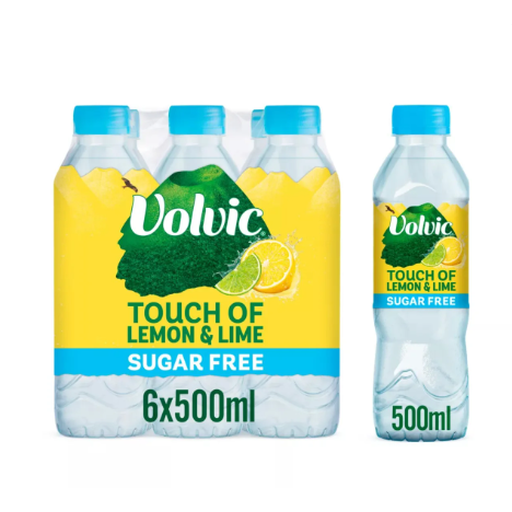
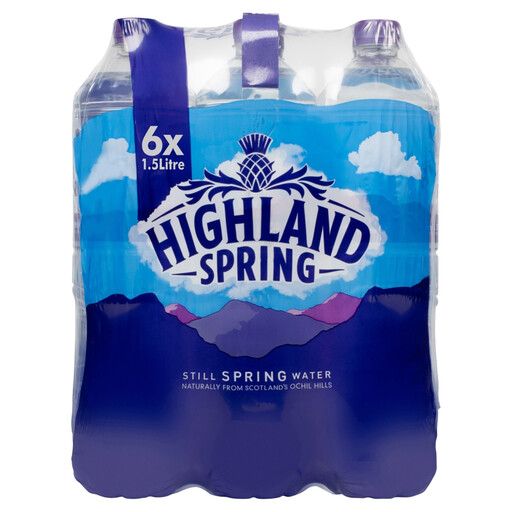
These bottles cover flavoured water for taste-led hydration, plain still water in a larger pack, and smaller mineral-water bottles to carry around a run. Check the individual label where the water format or ingredients affect your choice.
 No image available
The flavoured, sugar-free option suits a preference for taste rather than a need for carbohydrate fuel. The pack contains six 500ml bottles; check the current ingredient list if you avoid particular sweeteners.
 No image available
This still spring-water multipack is an option for keeping water at home before or after a run. Each of its six bottles holds 1.5 L, which may be cumbersome to carry to a 5k.
 No image available
The six individual 500ml mineral-water bottles offer a smaller format to take to a run. Check the pack if you specifically want still water or need to confirm its nutrition declaration.
A water with no carbohydrate cannot provide carbohydrate fuel. Tesco lists 0g carbohydrate and 0g sugars per 500ml for one Perfectly Clear sugar-free flavoured water. For training beyond a usual 5k, the UK Sports Institute says carbohydrate needs rise with intensity and duration, so make that decision separately from choosing water.
Choose a format you are comfortable drinking; still water avoids carbonation if fizz bothers you around a run. The NHS recommends water for replacing fluid lost through physical activity, without making a particular bottled-water format a requirement.
Mineral figures describe a particular water, not whether it supplies carbohydrate or meets an individual fuelling need. For example, Evian lists sodium at 6.5mg/L for its 1L product, while Volvic lists 12mg/L for its plain 500ml natural mineral water; compare the exact labels rather than treating either figure as a 5k performance measure.
Follow the instructions on your bottle. Sainsbury's listing for its British Spring Water 500ml says to refrigerate it after opening and use it within 3 days; instructions can differ between products.