
24/7 Customer Support

Free returns

Same-day & Next-day Delivery

Quality Guaranteed

Unlock Your Welcome Offers: FREE Delivery | Up to 80% OFF | Free 30-day JoyPlus trial
Download the APP
Buying bottled water looks straightforward until you compare pack sizes, source descriptions, sweeteners, packaging and delivery costs. A multipack that appears economical may not suit your fridge, while a premium bottled water brand may offer a format that is impractical for everyday family use.
This guide explains the main buying traps and helps UK households, offices, gyms and event organisers choose bottled water that matches how it will actually be used.
Still water, sparkling water, spring water and natural mineral water are not interchangeable descriptions. “Sparkling” refers to carbonation, while “spring water” and “natural mineral water” relate to the water’s source and regulatory category.
A product described as “flavoured water” may also contain acids, preservatives or sweeteners. Do not assume that a fruit reference means the drink contains a significant amount of fruit juice. Check the ingredients list to see whether it contains natural flavourings, fruit extract or added sugar.
Sugar-free water can contain sweeteners. For example, some flavoured products use sucralose to provide sweetness while listing 0g sugar and very low energy per 100ml. That may suit shoppers looking for zero-calorie drinks, but it will not suit everyone who wants only water and no sweetening ingredients.
If you prefer sparkling water without sweeteners, compare the label with a product containing only spring water and carbon dioxide.
A low price per pack does not necessarily mean a low price per litre. Calculate the total volume before comparing multipack bottled water. Also consider whether you have space for 5-litre boxes or multiple 500ml bottles.
Packaging claims need practical interpretation too. A recyclable bottle or aluminium can still need to enter the correct UK recycling stream. Check local council guidance and avoid storing water in direct sunlight or near strong odours.
Choose according to the occasion:
For sparkling products, check whether the package is resealable. An opened bottle or can that cannot be closed may lose its fizz quickly.
In the UK, spring water is taken from an underground source and bottled at the source, while natural mineral water must come from a recognised underground source and have a stable mineral composition. Mineral analysis can help explain differences in taste, but it is not a reason to assume one product is suitable for a particular health purpose.
For example, Highland Spring sparkling water lists bicarbonate at 150mg per litre, calcium at 40.5mg per litre and magnesium at 10.1mg per litre. San Pellegrino is labelled as sparkling natural mineral water and is available in 500ml and 1-litre formats. Compare the information on the current packaging if mineral composition is important to you.
When shopping for sugar-free water or zero-calorie drinks, check:
Dash Raspberry sparkling water lists carbonated spring water, natural flavourings, raspberry extract and citric acid, with 0g sugar and 1kcal per 100ml. Its grapefruit version lists 0g sugar and 2kcal per 100ml. By contrast, Highland Spring flavoured waters use sweetener while listing 0g sugar per 100ml.
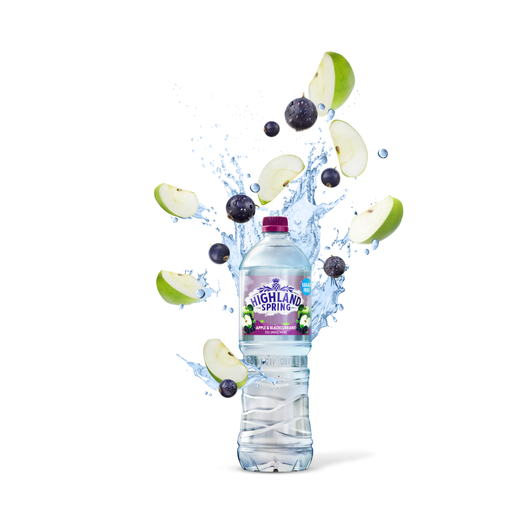
Why This Fits Their Persona: The 1.25-litre format suits shared household use and fridge storage, while the apple and blackcurrant flavour provides variety without added sugar.
The label states 0g sugar and 1kcal per 100ml, while also identifying sucralose in the ingredients list.
Still format; 1.25-litre bottle; no added sugar; recyclable bottle information supplied by the manufacturer.
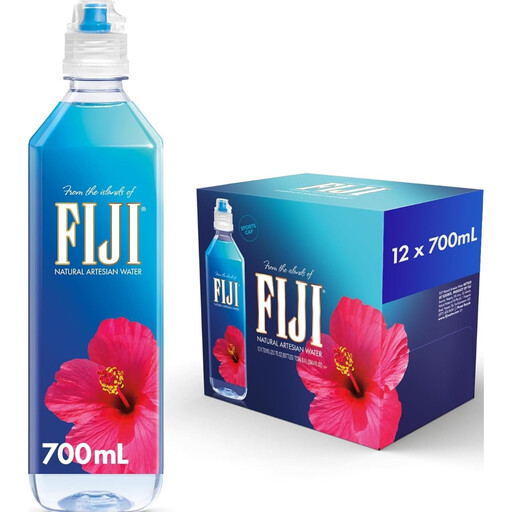
Why This Fits Their Persona: The 700ml sports-cap bottles provide a portable format for office commutes, fitness sessions and travel.
The pack description clearly identifies the bottle size, cap style, source category and mineral analysis rather than relying only on premium positioning.
12 x 700ml pack; sports cap; natural artesian water; 0kcal and 0g sugar per 100ml.
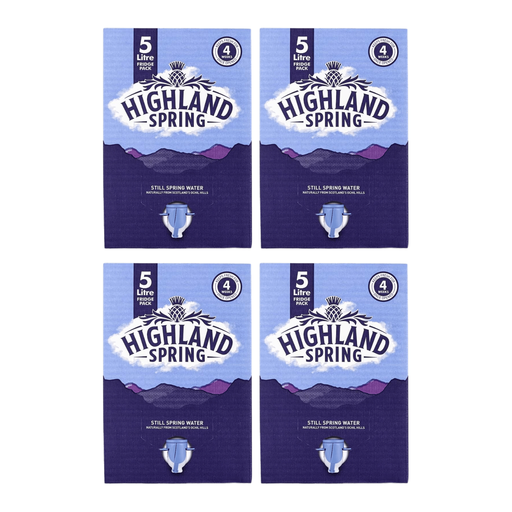
Why This Fits Their Persona: Four 5-litre boxes are designed for home stocking, workplace kitchens, parties and larger gatherings where small bottles create excess packaging and frequent restocking.
The total volume is stated clearly, and the tap design makes dispensing easier than repeatedly opening large bottles.
20-litre total; recyclable cardboard outer; FSC-certified outer packaging; use within four weeks after opening.
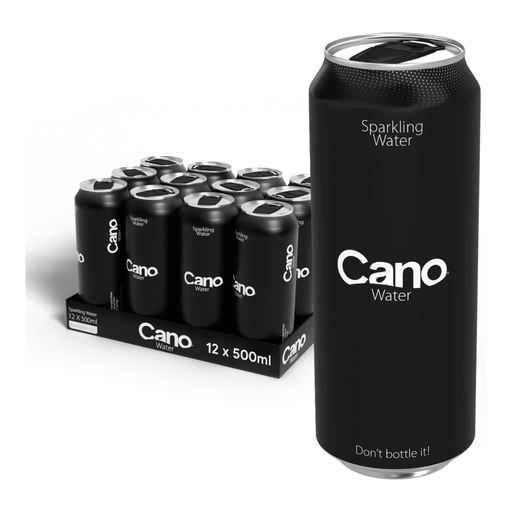
Why This Fits Their Persona: This format combines sparkling spring water with resealable aluminium cans for commutes, outdoor events, gym bags and office use.
The resealable design addresses the common issue of losing carbonation or wasting unfinished drinks, while the material is identified as aluminium.
12 x 500ml; sparkling spring water; resealable can; 0kcal and 0g sugar per 100ml.
We have compiled a complete, real-time list of products that fully satisfy these strict selection criteria and UK safety regulations.
Multipacks can reduce the cost per bottle, but the saving depends on total volume, delivery fees and the amount you will use before the best-before date. Larger formats can provide a lower cost per litre, although they may be less convenient to carry and store.
Follow the product label. Sparkling products commonly need refrigeration after opening and should be consumed within several days to help retain freshness and carbonation. Large still-water boxes may specify a longer period, such as use within four weeks after opening. Always check the packaging for the specific product.
Unflavoured sparkling water generally contains water and carbon dioxide, with no sugar. Flavoured versions vary. For example, Dash sparkling waters list 0g sugar, while some Highland Spring flavoured waters contain sweeteners. Check the ingredients and nutrition panel rather than relying on the word “water” in the product name.