
24/7 Customer Support

Free returns

Same-day & Next-day Delivery

Quality Guaranteed

Unlock Your Welcome Offers: FREE Delivery | Up to 80% OFF | Free 30-day JoyPlus trial
Download the APP
Buying bottled water seems straightforward until you compare bottle sizes, mineral types, sweeteners, packaging and delivery costs. A low shelf price may not represent good value if the pack is too small for your household, difficult to store or unsuitable for the occasion.
Whether you need bottled water for home and office use, a family event, travel or everyday hydration, these checks can help you avoid common buying mistakes.
Natural mineral water, spring water and treated drinking water are not interchangeable descriptions. Natural mineral water comes from a recognised underground source and has a consistent mineral composition shown on the label. Spring water also comes from an underground source, but its permitted treatment and labelling requirements differ.
Taste can vary according to mineral content, source and carbonation. A sparkling natural mineral water may be more suitable with food, while still spring water is often chosen for neutral, everyday drinking. Check the product description rather than relying only on phrases such as “pure”, “premium bottled water” or “refreshing”.
Flavoured water can contain no sugar while still including sweeteners. For example, some strawberry, apple and blackcurrant drinks use sucralose to provide sweetness. Others, such as fruit-infused sparkling water, may contain no sugar, sweeteners or calories.
Read the ingredients and nutrition panel carefully. “No added sugar” does not necessarily mean that a drink contains no sweetener, and “flavoured water” may include acids, preservatives or natural flavourings.
A large multipack may offer convenience but can be awkward to carry or store in a small UK kitchen. Conversely, 330ml cans or 500ml bottles are easy to distribute at an office or event but may cost more per litre.
Packaging also affects practical use. Standard bottles, larger containers, resealable canned water and 5-litre formats suit different situations. Check whether the container is recyclable locally, whether it can be resealed and how soon it should be consumed after opening.
Choose still water for a neutral option that is easy to drink throughout the day, use in a kettle or provide at meetings. Sparkling water contains carbon dioxide and is suited to people who prefer fizz, meal pairings or an alternative to traditional fizzy drinks.
For an event, consider serving both. Smaller sparkling spring water bottles can be convenient for individual portions, while 1-litre bottles are more appropriate for tables and shared meals.
Plain still or sparkling water generally contains no fat, carbohydrate or sugar, but mineral composition can differ. Labels may list sodium, calcium, magnesium, bicarbonate and other naturally occurring minerals.
For flavoured or sugar-free water, check:
The term “zero sugar” describes the nutrition panel; it does not automatically describe the ingredient list.
Compare the total litres rather than just the number of bottles. Useful formats include:
For bottled water multipacks, also check the best-before information, delivery weight and available storage space.
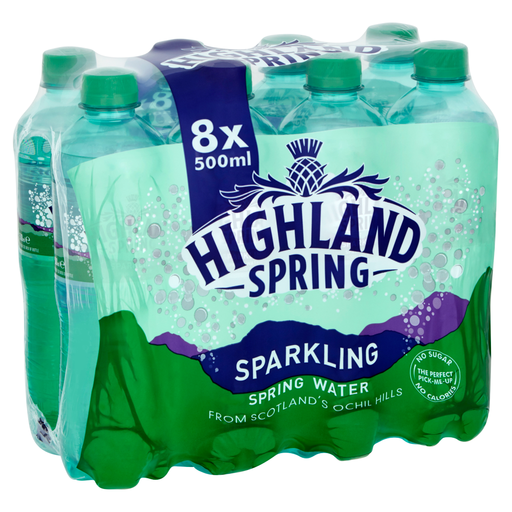
Why This Fits Their Persona: An accessible multipack for shoppers wanting individual sparkling water portions at home, work or informal gatherings.
The 500ml format makes the total volume clear and avoids committing to oversized bottles that may be inconvenient to chill or carry.
Eight 500ml bottles; naturally sourced sparkling water with listed mineral values.

Why This Fits Their Persona: A larger bottle format for diners, hosts and offices that want sparkling natural mineral water for shared serving.
The 1-litre size is easier to compare by total volume than small premium formats and is designed for shared use.
Six 1-litre bottles; natural mineral water with carbon dioxide and 0 kcal per 100ml.
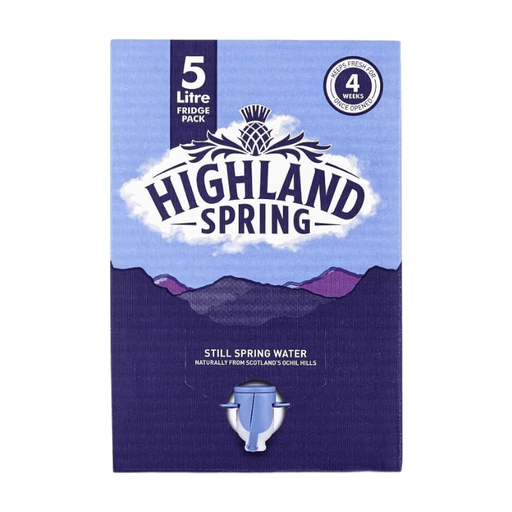
Why This Fits Their Persona: A practical choice for households, small offices and catering areas that need a larger still water supply.
The 5-litre format reduces repeated small-bottle purchases, while the tap design supports controlled dispensing.
Five litres of still spring water; recyclable cardboard outer stated by the manufacturer.
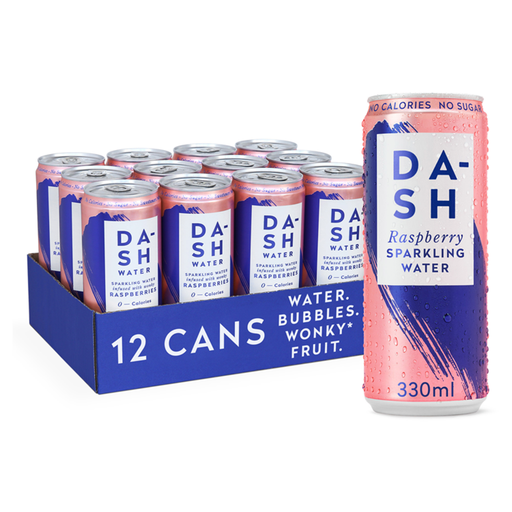
Why This Fits Their Persona: A smaller flavoured sparkling water can suit lunchboxes, desk fridges and guests seeking an alternative to sugary fizzy drinks.
The listed ingredients and nutrition panel distinguish fruit infusion from drinks containing sugar or sweeteners.
Twelve 330ml cans; raspberry extract and natural flavourings; 0g sugar per 100ml as listed.
We have compiled a complete, real-time list of products that fully satisfy these strict selection criteria and UK safety regulations.
Check the best-before date and storage guidance on the packaging. Unopened products should generally be kept in a clean, cool, dry place away from direct sunlight, chemicals and strong odours. Once opened, follow the label: some sparkling products should be refrigerated and used within a stated period, while a 5-litre container may specify use within four weeks.
The cost depends on price per litre, pack size, delivery charges and how frequently you buy. Larger formats can reduce packaging and shopping trips, but only if you can store and use them before the stated period after opening. Compare the full delivered cost per litre when considering water delivery UK services or online multipacks.