
24/7 Customer Support

Free returns

Same-day & Next-day Delivery

Quality Guaranteed

Unlock Your Welcome Offers: FREE Delivery | Up to 80% OFF | Free 30-day JoyPlus trial
Download the APP
Buying bottled water in the UK sounds straightforward until you compare pack sizes, mineral profiles, sweeteners, packaging and storage instructions. A convenient multipack can quickly become poor value if the bottle size does not suit your routine, while a drink labelled “water” may contain flavourings, preservatives or sweeteners.
Whether you need still water for the office, sparkling water instead of fizzy drinks or an electrolyte beverage for active days, the label matters more than the front-of-pack marketing.
Sugar-free water can still contain sweeteners, acids, preservatives and flavourings. For example, sugar-free strawberry and lemon-and-lime drinks may contain sucralose or acesulfame K. These products can provide a flavoured alternative with very low energy, but they are not the same as plain natural spring water.
If you prefer a simpler drink, check the ingredients list for terms such as natural spring water, natural mineral water, flavourings, citric acid and preservatives.
A 330ml can may be practical for a lunchbox or event, but households could use several in one day. Conversely, a 10L hydration box may be economical for home use but less convenient for commuting or travel.
Calculate the total volume, not just the number of bottles. Also consider whether you can store the pack safely in a cool, dry place and use it within the stated period after opening.
Artesian water, volcanic filtration and attractive sports caps can be useful features, but they do not automatically make a product suitable for everyone. Compare the source, mineral analysis, bottle size, delivery convenience and packaging format before paying more.
For environmentally conscious shoppers, check whether the packaging is recyclable in your area. Recycling availability can vary between UK councils, and “recyclable” does not always mean that every local collection accepts the item.
Still water is the simplest option for everyday drinking, cooking, offices and family use. Natural spring water comes from a recognised underground source, while natural mineral water must retain its characteristic mineral composition and meet relevant UK food regulations.
Sparkling water adds carbonation and can replace conventional fizzy drinks. Check whether it contains sugar, sweeteners or flavourings. Some sparkling drinks, such as raspberry or grapefruit-infused options, contain no sugar and very little energy but may still include citric acid and natural flavourings.
Flavoured water is useful if plain water does not appeal to you. However, “no added sugar” and “sugar-free” are label points worth checking carefully, particularly where sweeteners are used.
Look at the nutrition table per 100ml, then calculate the amount for the whole bottle. A drink containing 1 kcal per 100ml provides around 5 kcal in a 500ml bottle. This is different from a zero-calorie product.
Coconut water also needs separate consideration. It contains naturally occurring sugars and carbohydrates even when no sugar is added. For example, Kara Coconut Water lists 19 kcal and 4.5g of sugars per 100ml. That may suit shoppers seeking a naturally flavoured drink, but it should not be confused with sugar-free water.
For daily carrying, 500ml to 750ml bottles are generally easier to place in a bag, desk drawer or car cup holder. Sports caps can make drinking more convenient during a commute or gym session, while resealable cans offer a plastic-free format for some users.
Large water boxes are more appropriate for home kitchens, shared workspaces and events. Always follow the packaging instructions after opening. Some products advise refrigeration and consumption within 24 hours, three days or one week, depending on the format.
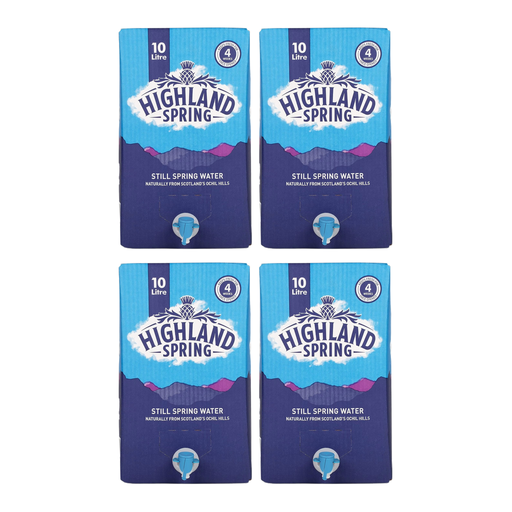
Why This Fits Their Persona: The four 10L boxes provide a substantial home supply for families, shared houses and office kitchens without relying on many small bottles.
The large format makes the total volume clear and avoids paying for unnecessary single-serve packaging. It is still spring water with negligible energy and no listed allergens.
Tap design; recyclable cardboard outer; FSC-certified outer packaging; mineral analysis listed on the product page.
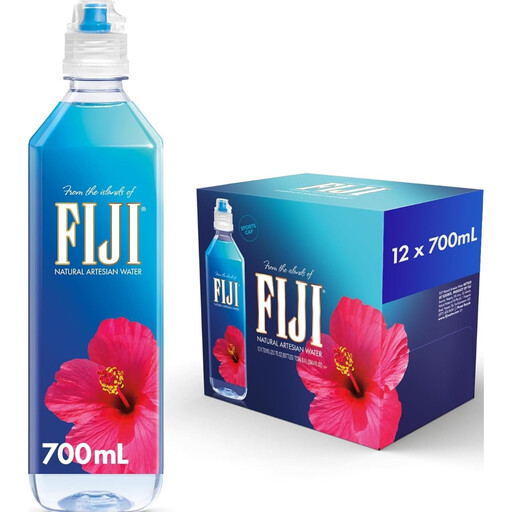
Why This Fits Their Persona: The 700ml sports-cap bottles suit shoppers who value a portable format for commuting, gym visits, travel or outdoor activities.
The pack specifies both bottle capacity and cap style, so the format is easier to assess before purchase than a vague “on-the-go” description.
700ml sports cap; still water; listed mineral profile including calcium, magnesium and bicarbonates.
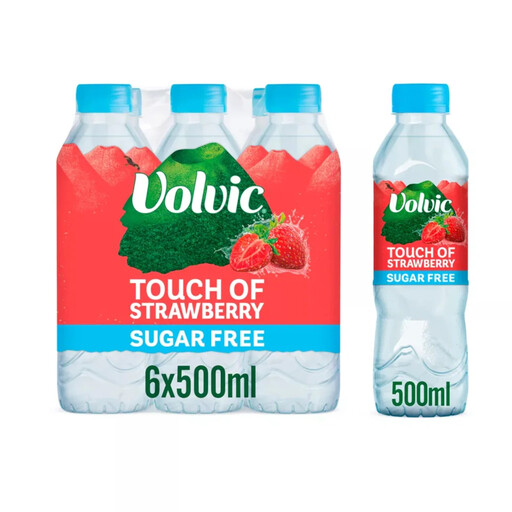
Why This Fits Their Persona: Six portable 500ml bottles are convenient for desks, packed lunches and short commutes when plain water feels repetitive.
The nutrition panel states 0g sugar and 1 kcal per 100ml, while the ingredients clearly identify sweeteners and natural flavourings.
500ml carry size; strawberry flavour; sugar-free formulation; recyclable bottle made from recycled plastic, excluding cap and label.
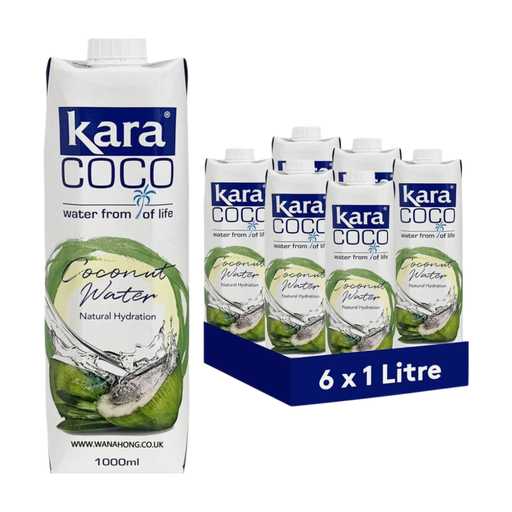
Why This Fits Their Persona: The six 1L cartons suit households, post-activity refreshment and shoppers who want coconut water for drinking or smoothies.
It is clearly listed as 100% coconut water with no added sugar, but the nutrition panel still shows naturally occurring sugars and 19 kcal per 100ml.
Not from concentrate; 1L format; can be used in smoothies; contains naturally occurring potassium, sodium and magnesium.
We have compiled a complete, real-time list of products that fully satisfy these strict selection criteria and UK safety regulations.
Tap water is usually cheaper for everyday use, especially when paired with a reusable bottle. Bottled water can still be practical for travel, events, temporary accommodation, emergencies or workplaces without a convenient drinking-water point. Compare the cost per litre and account for delivery charges before choosing a multipack.
Follow the storage instructions on the label. Many opened products should be refrigerated and consumed within a specified period, which may range from 24 hours to one week. Large hydration boxes can have different guidance from small bottles. Keep all formats away from direct sunlight, strong odours and excessive heat, and do not use packaging that is damaged or leaking.
No. Sugar-free water drinks may contain sweeteners, acids, preservatives and flavourings, even when they contain little or no sugar. Plain still water, sparkling spring water and natural mineral water generally have simpler ingredient lists. Read both the ingredients and nutrition panel to choose a product that matches your preferences.