
24/7 Customer Support

Free returns

Same-day & Next-day Delivery

Quality Guaranteed

Unlock Your Welcome Offers: FREE Delivery | Up to 80% OFF | Free 30-day JoyPlus trial
Download the APP
Buying bottled water can look straightforward, but pack sizes, water classifications, sweeteners and storage requirements can make a noticeable difference to value and everyday convenience. Whether you need water multipacks for the family, sparkling water for meals or hydration drinks for the gym, checking the label is more useful than relying on front-of-pack marketing.
A drink can contain no added sugar while still providing naturally occurring sugars, as with coconut water. Flavoured water may also contain sweeteners rather than sugar. If your priority is a low-calorie drink, check the energy, carbohydrate and sugar values per 100ml, not just the front label.
For example, the listed Highland Spring Strawberry and Apple & Blackcurrant drinks provide 0g sugar and around 1 kcal per 100ml, but contain sucralose. Dash Grapefruit Sparkling Water lists 0g sugar, 0g carbohydrate and 2 kcal per 100ml, with no sweeteners listed.
Natural mineral water must come from a recognised underground source and retain its mineral characteristics. Spring water also comes from an underground source, but its treatment and classification differ. Ordinary bottled drinking water may have a different source and treatment process.
Sparkling water can be naturally carbonated or have carbon dioxide added. If mineral composition matters to you, read the mineral analysis rather than assuming that all sparkling water provides the same levels of calcium, magnesium or bicarbonate.
Small 330ml or 500ml bottles are convenient for commuting, lunchboxes and short journeys, but a larger format may create less packaging per litre for home use. A 5L or 10L box can be practical for kitchens, shared offices or events, although it needs suitable storage and careful handling after opening.
Before buying, compare the total volume, the number of containers and the cost per litre. A larger multipack is not automatically better value if some of it remains unused or takes up more fridge and cupboard space than expected.
For plain still water, look for an ingredient list containing only water. Volvic Still Natural Mineral Water, for example, lists 100% natural mineral water, while Highland Spring Still Water lists natural spring water. San Pellegrino Sparkling Natural Mineral Water contains natural mineral water and carbon dioxide.
For flavoured water and sugar-free drinks, inspect the full ingredient list for:
Coconut water is a separate category from plain bottled water. Kara lists 100% coconut water, while some products may include vitamin C or a small amount of fruit sugar. Coconut water naturally contains carbohydrates and sugars, even when no sugar has been added.
For everyday hydration, plain still or sparkling water contains negligible energy. Flavoured water can provide a similar calorie level, but the recipe varies considerably. Coconut water commonly contains naturally occurring potassium and other minerals, while electrolyte water may include added salts and vitamins.
Do not treat electrolyte or hydration drinks as interchangeable with plain water. Genki Forest Alien Electrolyte Water, for instance, includes potassium chloride, salt, vitamins and sweeteners. That may suit someone looking for flavour and a formulated sports drink, but shoppers avoiding sweeteners should choose a simpler ingredient list.
Check whether you need single-serve bottles, a family-sized bottle, cans or a hydration box. Once opened, storage guidance matters:
Recyclability claims can depend on local collection facilities and the specific bottle components. Separate caps, labels and containers only where your local council guidance allows it.
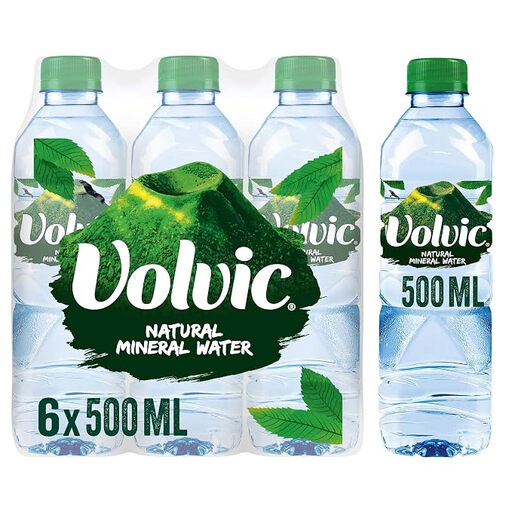
Why This Fits Their Persona: Six 500ml bottles provide a manageable starting format for commuters, students or smaller households without committing to a large case.
The label identifies it as natural mineral water and states a 6x500ml quantity, making the format and water type clear before purchase.
Still water, 500ml individual bottles and a stated mineral composition including calcium, magnesium and bicarbonates.
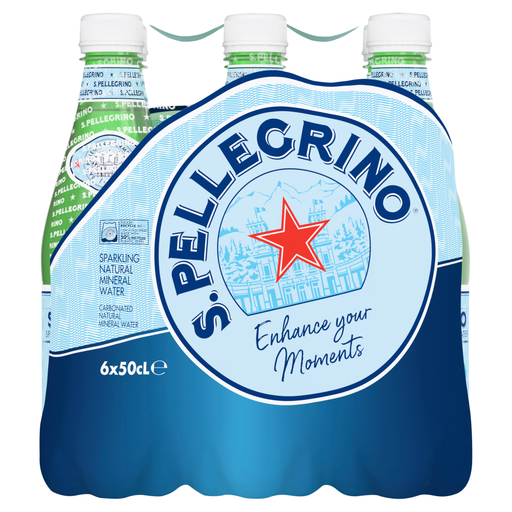
Why This Fits Their Persona: The 500ml glass-style serving format suits meals, hosting and shoppers who prefer sparkling water with a defined mineral profile.
The product description specifies natural mineral water, added carbon dioxide and zero calories per 100ml.
Six 500ml bottles, sparkling texture and a straightforward ingredient list of natural mineral water and carbon dioxide.
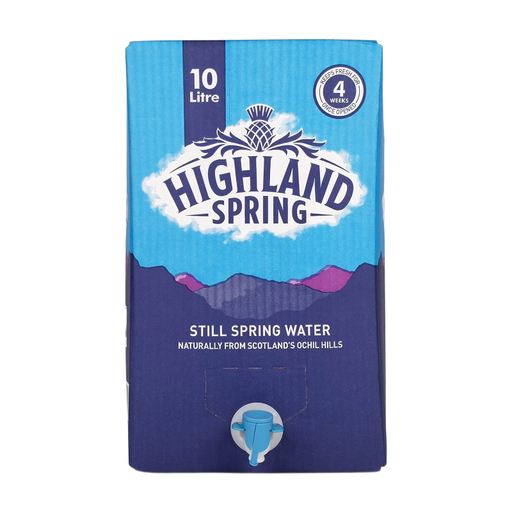
Why This Fits Their Persona: The 10L hydration box is designed for shared household use, home offices, gatherings and shoppers who prefer fewer individual bottles.
The total volume is clearly stated, and the tap design avoids repeatedly opening a large bottle. Storage guidance is supplied for after opening.
10L home format, convenient tap and mineral analysis showing bicarbonate, calcium and magnesium levels.

Why This Fits Their Persona: Fifteen 600ml bottles suit gym bags, sports clubs, school schedules and households wanting a flavoured hydration drink in a larger multipack.
The product information lists electrolytes, vitamins, sweeteners and serving size, so buyers can assess the formula rather than relying on the word “hydration”.
600ml bottles, white peach flavour and listed potassium chloride, salt, vitamin B6 and vitamin E.
We have compiled a complete, real-time list of products that fully satisfy these strict selection criteria and UK safety regulations.
It can be, but compare the price per litre rather than the headline pack price. Larger formats may reduce packaging per litre, while small bottles offer portability. Delivery charges, storage space and the risk of unused opened bottles also affect the practical cost.
Follow the product label. Highland Spring’s 10L water advises refrigeration and use within seven days after opening, while coconut water products commonly require refrigeration and consumption within two to three days. Keep containers sealed and away from heat, sunlight and strong odours.
Plain sparkling water can be used as an everyday drink if you enjoy carbonation. Choose natural mineral water or spring water according to your preference, and check the ingredients for added flavourings, sugar or sweeteners when buying flavoured sparkling water.