
24/7 Customer Support

Free returns

Same-day & Next-day Delivery

Quality Guaranteed

Unlock Your Welcome Offers: FREE Delivery | Up to 80% OFF | Free 30-day JoyPlus trial
Download the APP
Keeping hydrated is a simple goal, but navigating the bottled water aisle can feel surprisingly complex. With labels shouting about alpine springs, volcanic filtration and zero-calorie promises, it's easy to overpay or choose a product that doesn't quite match your needs. As the Joybuy Product Recommendation Officer, my role is to help you see past the marketing clutter and make a practical choice for your household.
Before you next decide to buy water in bulk, let's look at the common traps that catch many UK shoppers out.
To ensure you get the right product at a fair price, focus on these core parameters. They will help you choose the ideal bottled water multipack for your lifestyle.
Understanding the source is the first step to making an informed decision. In the UK, the terminology is regulated, which helps consumers.
The right format depends entirely on your usage. A water delivery UK service can be a game-changer for busy households and offices.
If you're looking for flavoured sparkling water, the ingredients list is your most important tool. To avoid the hidden sugar trap, look for these terms:
Instead of a one-size-fits-all approach, we've matched some popular options to different user needs.
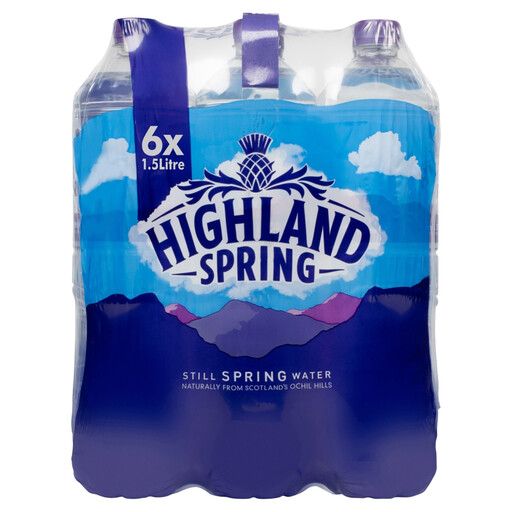
Why This Fits Their Persona: This multipack of 1.5L water bottles is perfect for families needing a reliable, large-format supply of quality natural spring water. It's a trusted British brand, sourced from Scotland, offering great value for daily hydration at home.
It avoids the "vague source" trap by clearly stating its origin as natural spring water from the Ochil Hills, providing straightforward, pure hydration without a premium mineral water price tag.
Excellent value for bulk buying. The bottles are 100% recyclable (cap and label excluded), aligning with basic sustainability efforts.

Why This Fits Their Persona: For those seeking a sophisticated, healthy treat, this flavoured sparkling water is a perfect fit. It offers an interesting flavour profile in a convenient can, ideal for an office fridge or as a refreshing afternoon pick-me-up without any guilt.
It directly counters the "hidden sugar" trap by being one of the leading zero calorie drinks. It is formulated with 0 sugar, 0 fat and 0 calories, using natural sweeteners like erythritol for a clean taste.
Provides a genuinely refreshing and flavourful experience without any sugar or calories. The can format is convenient and chills quickly.
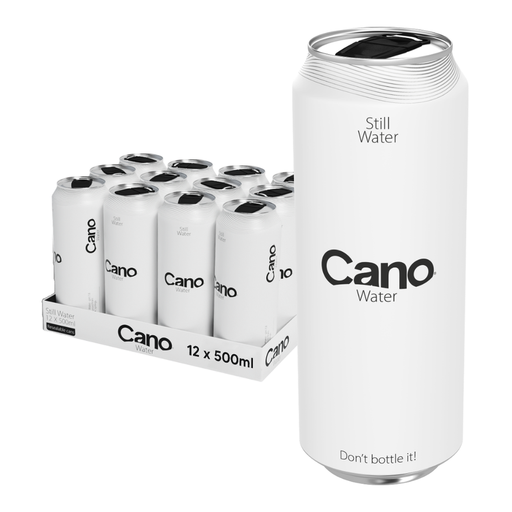
Why This Fits Their Persona: This is the choice for those who prioritise planetary health. It offers pure UK spring water in a format designed to minimise plastic waste, making it ideal for environmentally aware consumers on the move.
It tackles the "sustainability oversell" head-on by using infinitely recyclable aluminium. This is a clear, verifiable step away from single-use plastic, not just a vague marketing claim.
The UK's only resealable can, combining the sustainability of aluminium with the convenience of a bottle. The metal also keeps the water cooler for longer.
We have compiled a complete, real-time list of products that fully satisfy these strict selection criteria and UK safety regulations.
1. Is it more cost-effective to buy water in bulk? Generally, yes. Purchasing a bottled water multipack or a larger format like a 10L box usually results in a lower cost per litre compared to buying single bottles. Furthermore, arranging a water delivery UK service saves you time and the effort of carrying heavy packs from the supermarket, adding significant convenience.
2. What is the real difference between mineral water and spring water? The main difference lies in consistency and regulation. Natural mineral water must come from a single, protected underground source and maintain a stable mineral composition, which is often detailed on the label. Natural spring water also comes from an underground source but its mineral content can vary over time. Both are high-quality choices for hydration.
3. How long does bottled water last once it has been opened? Once opened, it's best to store bottled water in the refrigerator to maintain its fresh taste. Most manufacturers recommend consuming it within 3-7 days. For larger bag-in-box formats, check the packaging, as they often have a longer life of several weeks after opening due to the vacuum-sealed tap design. Always ensure the cap or tap is securely closed after each use.