
24/7 Customer Support

Free returns

Same-day & Next-day Delivery

Quality Guaranteed

Unlock Your Welcome Offers: FREE Delivery | Up to 80% OFF | Free 30-day JoyPlus trial
Download the APP
Buying a bottled water multipack looks simple until you compare bottle sizes, source types, mineral profiles, packaging and total volume. A small pack may suit a gym bag, while a family or office could need several litres available each day.
The main challenge is separating useful product information from marketing language. Before ordering, check what type of water you are buying, how much water the pack actually contains and whether the packaging suits your storage and recycling arrangements.
Natural mineral water and spring water are both bottled at source, but they are not interchangeable descriptions. Natural mineral water has a consistent mineral composition and must meet specific requirements for source and treatment. Spring water also comes from an underground source, but its mineral profile may differ.
“Still water” simply means the water is non-carbonated. It does not, on its own, tell you where the water came from or what minerals it contains.
A low shelf price does not always mean lower cost. A pack of six 500ml water bottles contains 3 litres, whereas six 1.5L water bottles contain 9 litres. Compare the total volume and calculate the price per litre before deciding.
Large bottles can offer practical value for home use, but smaller bottles may reduce waste from partially used containers during travel, meetings or events.
A label stating that bottles are recyclable refers to the material’s recyclability, not necessarily the collection facilities in your area. Check your local council guidance, separate bottles from outer film where required and follow the packaging instructions.
Also consider the format. A bottle multipack is easy to distribute, while a 5L or 10L hydration box can reduce the number of individual containers but needs a stable storage position and careful dispensing.
Choose the format around how the water will be used:
Always confirm both the number of units and the total volume. A product title may contain several pack references, so the product page and packaging information should be your final check.
Shoppers looking for low-sodium water should compare the sodium value per litre rather than rely on words such as “light” or “balanced”. For example, Volvic lists sodium at 12mg per litre, while Highland Spring lists 5.6mg per litre. Evian lists 6.5mg per litre, alongside calcium at 80mg per litre and bicarbonate at 360mg per litre.
Mineral content can affect taste, so the figures are useful when choosing between a softer, lower-mineral profile and a more noticeable mineral character. If you have a medically advised dietary restriction, check the label and seek appropriate professional advice before buying.
Store bottled drinking water in a clean, cool, dry place away from direct sunlight, strong odours and chemicals. Check that bottle seals are intact and follow the product’s opening guidance. Larger boxes may have different instructions from individual PET bottles, including refrigeration or a recommended period for use after opening.
For everyday convenience, look for a manageable bottle shape, secure caps and packaging that can be carried without excessive strain. These practical details often matter more than premium-sounding descriptions.
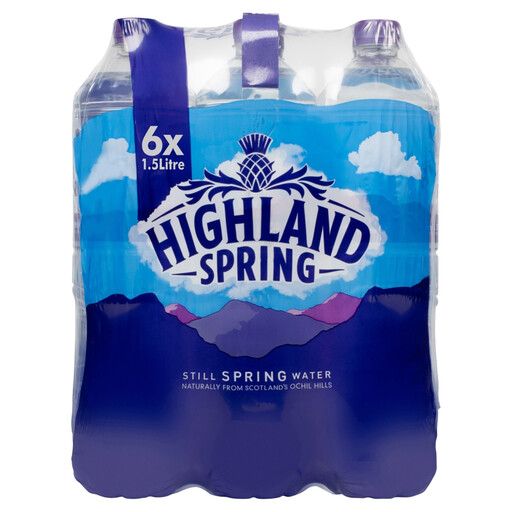
Why This Fits Their Persona: The 9-litre total volume suits households that want a straightforward family pack bottled water for regular use without relying on small individual servings.
The six-bottle, 1.5L format makes the total volume clear, helping shoppers compare value by litre rather than by pack price alone.
Natural spring water; 6 x 1.5L format; listed sodium content of 5.6mg per litre.
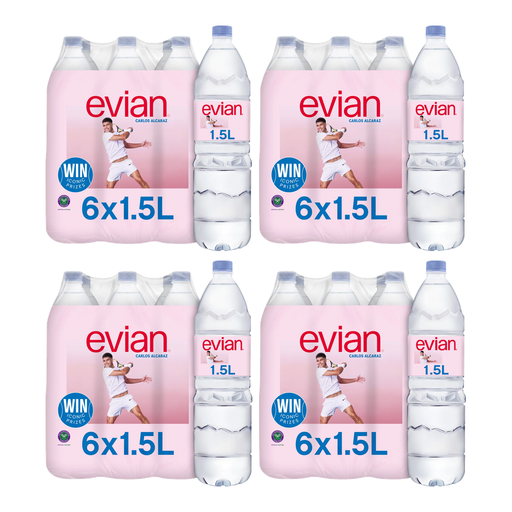
Why This Fits Their Persona: A larger multipack of natural mineral water suits shoppers who value a stated mineral composition and a recognisable 1.5L serving size for home or office sharing.
Its listed mineral analysis gives a clearer basis for comparison than relying on vague descriptions of taste or filtration.
Natural mineral water; calcium 80mg/L; 6.5mg/L sodium; recyclable packaging information provided.
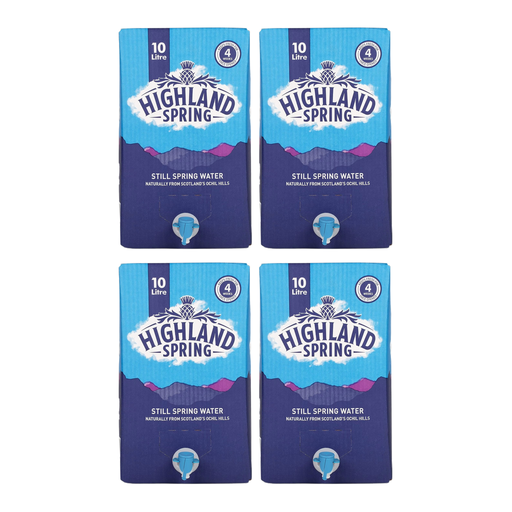
Why This Fits Their Persona: The 10L hydration box format is suited to offices, event organisers and busy households that need substantial bulk bottled water in a dispensing format.
The box and tap design reduce dependence on many small bottles, while the stated storage guidance helps prevent careless handling after opening.
10L format; built-in tap; recyclable cardboard outer described as FSC-certified; natural spring water.

Why This Fits Their Persona: Six 500ml bottles are easy to divide between commutes, lunchboxes, gym bags, cars and short events where a full 1.5L bottle may be inconvenient.
The 3-litre total is clearly specified, helping avoid mistaking a portable multipack for a household bulk purchase.
500ml bottles; natural mineral water; listed sodium content of 6.5mg per litre; recyclable bottle information provided.
We have compiled a complete, real-time list of products that fully satisfy these strict selection criteria and UK safety regulations.
It can be, but the pack price alone is not enough to tell. Divide the price by the total litres, then consider delivery, storage space and whether all bottles will be used before the stated best-before date. Larger water multipack formats often suit home stocking, while 500ml packs may be more practical for individual use.
Keep unopened bottles in a cool, dry place away from sunlight, chemicals and strong odours. Check the best-before information on the bottle or outer packaging. After opening, follow the manufacturer’s instructions; larger hydration boxes may require refrigeration or use within a specified period.
Yes, provided the format matches the setting. 1.5L water bottles work well for shared tables, while 330ml or 500ml bottled drinking water is easier to hand out individually. For higher-volume service, a 5L or 10L box can reduce the number of containers, but it needs a clean, stable dispensing area and careful storage after opening.