
24/7 Customer Support

Free returns

Same-day & Next-day Delivery

Quality Guaranteed

Unlock Your Welcome Offers: FREE Delivery | Up to 80% OFF | Free 30-day JoyPlus trial
Download the APP
Buying bottled water multipacks in the UK can appear straightforward, but pack size, water type, packaging and storage requirements can significantly affect value. A low headline price may not mean a lower cost per litre, while a large case may be inconvenient to store or use before the bottles are needed.
This guide explains the practical details to check before ordering still, sparkling or flavoured water for your household, office, gym, event or commute. It also highlights selected options available through Joybuy, so you can compare formats with clearer expectations.
A 24-pack may look economical, but the total volume can differ considerably between bottled water 500ml, bottled water 1 litre and 750ml formats. Always calculate:
Total litres = number of bottles × bottle size
Then divide the pack price by the total litres. This makes it easier to compare a six-pack of 500ml bottles with a 12-pack of 1 litre bottles or a larger bulk bottled water case.
Also check whether a listing contains one multipack or several outer cases. For example, a product described as “4 x 12 x 1L” contains 48 one-litre bottles, rather than 12 bottles.
The terms spring water, natural mineral water and drinking water describe different product categories. Natural mineral water comes from a protected underground source and must meet specific composition and bottling requirements. Spring water also comes from an underground source but has different regulatory conditions.
Flavoured products may contain water plus acids, preservatives, flavourings or sweeteners. A sugar-free sparkling water can still contain sweeteners, so read the ingredients panel if you prefer unsweetened water or want to avoid particular additives.
A recyclable bottle is not automatically recycled in every local authority area. Check your council’s kerbside collection guidance and follow the label instructions. Some products use recycled PET, while others use aluminium cans or cardboard packaging with a plastic inner component.
Large cases also need a clean, dry storage area away from sunlight, strong odours and chemicals. Carbonated water should remain sealed until needed, as repeated opening reduces fizz. Once opened, follow the product’s refrigeration and consumption guidance.
For an office or event, calculate the number of people, expected duration and whether chilled storage is available. For personal use, smaller bottles may be easier to carry, while larger bottles can reduce packaging per litre.
Still mineral water and spring water are generally versatile choices for daily drinking, cooking and serving. A sparkling water multipack may suit meals, mixers and consumers who prefer carbonation, but it requires more careful storage and handling.
Flavoured water can make plain water more appealing. However, check energy, sugar and sweetener information rather than relying only on front-of-pack wording. For instance, the Volvic Touch of Fruit Lemon & Lime listing states 0g sugar per 100ml and identifies acesulfame K and sucralose as sweeteners.
If mineral composition matters to you, compare the listed calcium, magnesium, sodium, bicarbonate and dry residue values. These figures describe the water’s composition and can affect taste, but they should not be treated as medical or therapeutic advice.
Packaging information should also be specific. Look for statements such as recyclable PET, recycled PET content, aluminium cans or recyclable cardboard. Recycling outcomes depend on local facilities, collection systems and correct disposal.
The following cards match different shopping needs rather than presenting one universal choice.
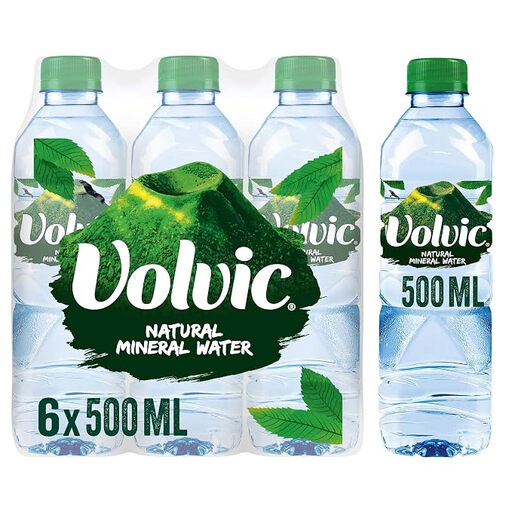
Why This Fits Their Persona: A manageable six-pack of 500ml bottles suits individual shoppers, lunch bags and short journeys without committing to a large case.
The listing identifies 100% natural mineral water, a 500ml format and recyclable bottles, making the product details clearer to compare.
Still water; 500ml portable bottles; listed mineral composition including calcium, magnesium and bicarbonates.
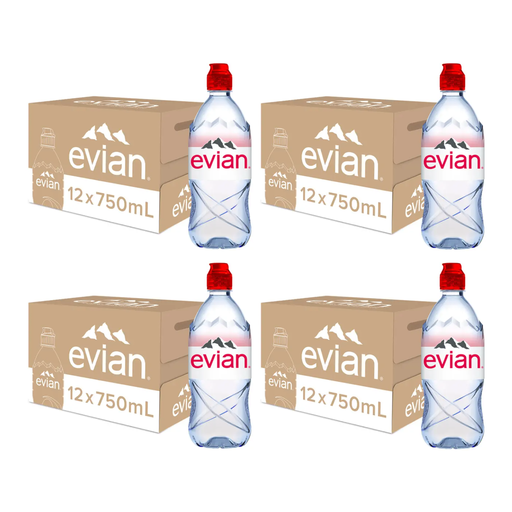
Why This Fits Their Persona: The 750ml sports-cap format works for active routines, office desks and occasions where a larger single bottle is more convenient.
The listing gives the bottle volume, cap type and mineral analysis, allowing shoppers to assess usability beyond branding.
750ml sports cap; natural mineral water; listed calcium of 80mg/litre and bicarbonates of 360mg/litre.
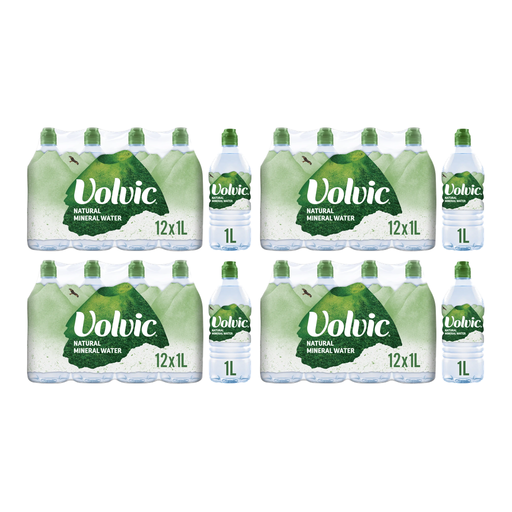
Why This Fits Their Persona: One-litre bottles are practical for shared kitchens, offices, gym bags and households that need a substantial stock of still water.
The total quantity is stated as four cases of 12 one-litre bottles, helping larger buyers check storage needs and total litres before ordering.
48 x 1L bottles in the listed format; natural mineral water; bottles described as 100% recyclable.
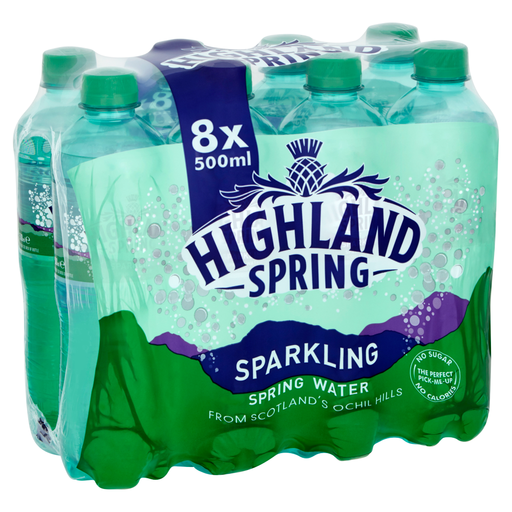
Why This Fits Their Persona: Eight 500ml sparkling bottles are convenient for chilled serving at home, with meals or for smaller gatherings.
The listing specifies natural sparkling water, mineral values and refrigeration guidance after opening, rather than relying only on taste-led descriptions.
500ml bottles; sparkling spring water from Scotland; listed bicarbonate content of 150mg/litre.
We have compiled a complete, real-time list of products that fully satisfy these strict selection criteria and UK safety regulations.
They can offer a lower price per litre, but this depends on the pack price, bottle size, delivery charges and promotions. Calculate the total litres before comparing. A multipack is more likely to provide value when you will use the water before its best-before date and have suitable storage.
Follow the best-before date and storage instructions printed on the packaging. Unopened water should generally be kept in a cool, dry place away from sunlight and chemicals. Once opened, sparkling and flavoured water usually needs refrigeration and prompt consumption; the exact period varies by product.
For meetings and events, 330ml or 500ml bottles are easy to distribute. For desks, shared kitchens and longer shifts, 750ml or 1 litre bottles may reduce the number of bottles needed. Match the format to available refrigeration, transport and recycling facilities.