
24/7 Customer Support

Free returns

Same-day & Next-day Delivery

Quality Guaranteed

Unlock Your Welcome Offers: FREE Delivery | Up to 80% OFF | Free 30-day JoyPlus trial
Download the APP
Buying bottled water multipacks can seem straightforward, but pack size, carbonation, sweeteners and packaging materials can make a significant difference to value and convenience. A low shelf price may not represent good value if the bottles are too small for your needs, while a large pack may create storage problems or leave opened sparkling water flat.
This guide from the Joybuy Product Recommendation Officer explains what to check before buying, from 500ml bottled water for commuting to 1 litre bottled water for households and offices.
A 24-pack may look economical, but the total volume can be lower than a six-pack of larger bottles. Always compare the price per litre, not just the number of units. For example, a 12-pack of 500ml bottles contains 6 litres, while a six-pack of 1 litre bottles also contains 6 litres.
This calculation is particularly useful when comparing a water multipack UK shoppers may use for regular household consumption, workplace refreshment or events.
Sparkling water is not a direct replacement for still water in every situation. Carbonation can be convenient with meals, but it may be less practical for sports bags or young children. Flavoured water can offer variety, yet “zero sugar” does not always mean free from sweeteners.
Check the ingredients list. For example, some flavoured products contain sucralose or other sweeteners, while Dash sparkling water products list fruit extracts and no sugar or sweeteners. The label remains the reliable source for the exact formulation.
Terms such as recyclable bottled water, recycled PET and aluminium packaging describe different features. A recyclable package may not be recycled in every local authority collection system, and caps and labels may follow separate recycling guidance.
Canned water can reduce reliance on plastic bottles, but cans are heavier to transport and should still be recycled through the appropriate household or commercial collection service. Look for clear packaging information rather than relying on broad environmental language.
Choose the bottle or can size around how the water will be used:
For event organisers, smaller bottles can reduce partially consumed leftovers. For offices and families, larger formats may reduce packaging per litre and the frequency of restocking.
Natural mineral water must come from a recognised underground source and retain its original mineral characteristics. Spring water also comes from an underground source but follows different regulatory definitions and treatment requirements. Bottled drinking water may have a different origin and treatment process.
Mineral composition can affect taste. Highland Spring sparkling water, for instance, lists calcium at 40.5mg per litre and magnesium at 10.1mg per litre. Volvic lists calcium at 12mg per litre and magnesium at 8mg per litre. These figures are descriptive rather than a reason to treat one product as medically superior.
Plain still or sparkling water commonly contains no sugar and very little or no energy. Flavoured water requires closer inspection. Check:
Store multipacks in a cool, dry place away from direct sunlight and strong odours. Follow the pack instructions after opening; sparkling products generally need refrigeration if they are not consumed immediately.

Why This Fits Their Persona: The 12 x 1 litre format offers 12 litres for household storage, office kitchens or regular daily use, reducing the need to reorder smaller packs frequently.
The total volume is clear, making it easier to compare cost per litre rather than pack count alone. Each bottle is also described as recyclable.
12 x 1 litre bottles; natural mineral water with listed mineral composition.

Why This Fits Their Persona: Six 1 litre bottles suit dining occasions, dinner parties and office hospitality where a larger sparkling water format is preferred.
The product is clearly identified as sparkling natural mineral water, so shoppers can distinguish it from still water or sweetened fizzy drinks.
Six 1 litre bottles; ingredients listed as natural mineral water and carbon dioxide.
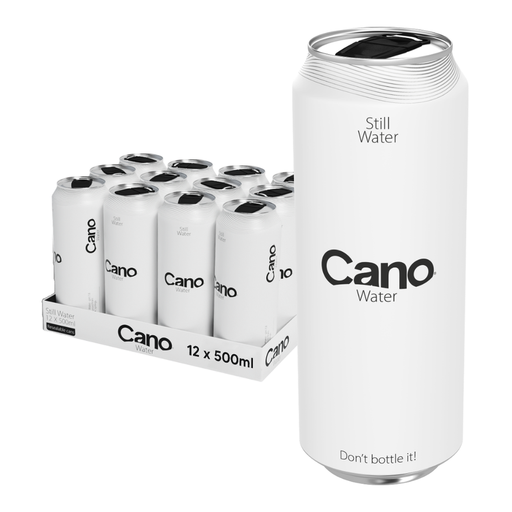
Why This Fits Their Persona: The 500ml format suits gyms, outdoor activities, commuting and event distribution, while resealable cans can be closed between sips.
The resealable design helps avoid waste when a drink is not finished immediately, while aluminium offers an alternative to single-use plastic bottles.
12 x 500ml; still natural spring water in resealable aluminium cans.
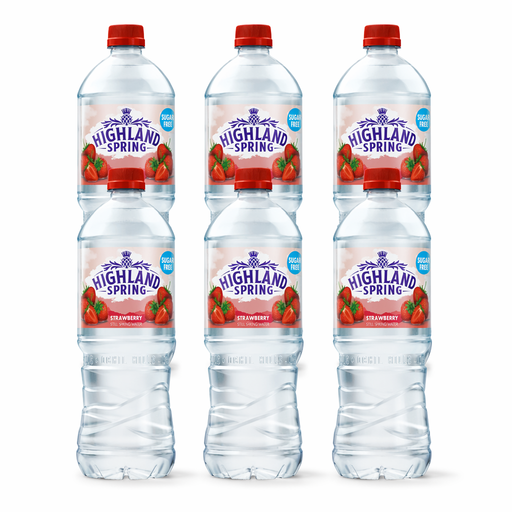
Why This Fits Their Persona: A 1.25 litre format works for family fridges and shared serving, with strawberry flavour for shoppers who want an alternative to plain still water.
The nutrition panel states 0g sugar per 100ml, while the ingredients list identifies sucralose, so shoppers can make an informed choice.
Six 1.25 litre bottles; still flavoured water with 0g sugar per 100ml.
For sparkling water multipack options, consider 330ml cans for gatherings or 500ml bottles for portable use. Cano Water Sparkling Resealable 12x500ml combines sparkling spring water with resealable aluminium cans, while Highland Spring Sparkling Spring Water 8x500ml offers a familiar bottle format.
For smaller event servings, FIJI Water 330ml x 24 provides individual bottles. For a zero sugar water option with flavour and added ingredients, Chi Forest Alien Electrolyte Water is supplied as 15 x 600ml bottles; check the sweetener warning and nutrition panel before purchase.
We have compiled a complete, real-time list of products that fully satisfy these strict selection criteria and UK safety regulations.
They can offer a lower price per litre, but this depends on the pack size, brand, packaging and current promotion. Compare the total volume and calculate the price per litre before ordering. Also consider delivery charges and available storage space.
Check the best-before date printed on the packaging and store unopened products in a cool, dry place away from direct sunlight. Once opened, follow the manufacturer’s instructions, particularly for sparkling and flavoured water, which may need refrigeration and prompt consumption.
Aluminium cans are widely recyclable, but local collection arrangements vary across the UK. Empty the can where appropriate and follow your council’s recycling guidance. Resealable water cans should also be checked for damage before use and stored according to the product label.