
24/7 Customer Support

Free returns

Same-day & Next-day Delivery

Quality Guaranteed

Unlock Your Welcome Offers: FREE Delivery | Up to 80% OFF | Free 30-day JoyPlus trial
Download the APP
Buying bottled water multipacks can seem straightforward, but the wrong format may leave you paying for unnecessary packaging, carrying bottles that are awkward to use, or storing more water than your household can reasonably consume. UK shoppers also need to look beyond phrases such as “natural”, “sugar-free” and “recyclable”, as these terms do not always tell the whole purchasing story.
This guide explains the practical details to check before ordering still bottled water, sparkling water multipacks or flavoured alternatives for home, work, travel and events.
Natural mineral water and spring water are not interchangeable descriptions. Natural mineral water comes from a recognised underground source and has a consistent mineral composition, while spring water is also sourced underground but does not have the same fixed mineral-content requirement. Bottled drinking water may undergo treatment before bottling.
Check the product description and label rather than assuming that every bottle has the same source, mineral profile or taste.
Sugar-free water can still contain sweeteners, acids, preservatives or flavourings. For example, lemon and lime or apple and blackcurrant drinks may contain sweeteners while showing 0g of sugar per 100ml. This can suit shoppers looking for a flavoured alternative without sugar, but it may not suit someone seeking plain water.
Always review the ingredients and allergen information, particularly when buying for children, guests or colleagues with dietary preferences.
A 24-pack of 330ml or 500ml bottles can work well for an office or event, but may create unnecessary storage demands at home. Conversely, 1-litre bottles can offer fewer individual units for a shared fridge, yet they are less convenient for commuting or exercise.
Calculate the total volume, bottle size and number of servings before comparing prices. A lower shelf price is not necessarily better value if much of the pack will remain unused.
For commuters, gym users and school bags, 330ml to 500ml bottles or cans are easier to carry. A sports cap or resealable design can be useful when the drink will not be finished immediately. For households, offices and catering, 1-litre bottles can reduce the number of individual units needed.
For larger gatherings, compare the total litres across packs. A 6 x 1-litre pack contains 6 litres, while a 24 x 330ml pack contains 7.92 litres. This makes a per-litre comparison more meaningful than comparing pack prices alone.
Look for clear packaging information, including whether the container is PET plastic, aluminium or another material. A product described as recyclable still depends on local collection and sorting facilities, so check your council’s recycling guidance.
Some listed products specify recycled PET content or aluminium packaging. These are objective packaging features, but they should not be treated as a guarantee of local recycling outcomes. Store multipacks in a cool, dry place away from direct sunlight and strong odours, as directed on the product label.
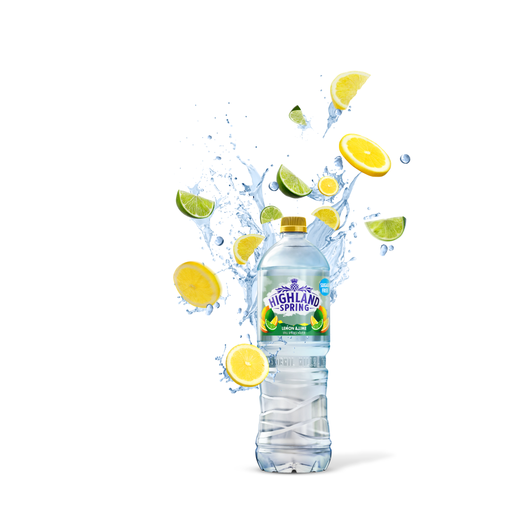
Why This Fits Their Persona: The 1.25-litre format suits shared household use, family meals and fridge storage, while the lemon and lime flavour offers an alternative to plain water.
The listing states 0g sugar per 100ml and identifies sweeteners, helping shoppers distinguish sugar-free from unflavoured water.
Still spring water base; 1 kcal per 100ml; suitable for serving chilled with meals.
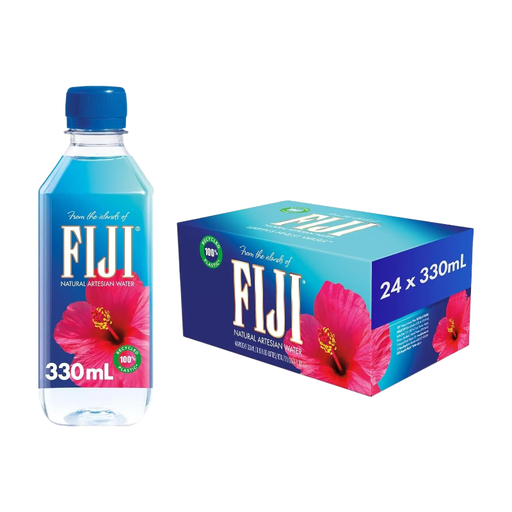
Why This Fits Their Persona: The compact 330ml bottles are suited to meetings, hospitality, events and individually portioned refreshments where presentation and portability matter.
The pack quantity and 330ml volume are clearly stated, making it easier to calculate servings instead of judging value from branding alone.
24 individual bottles; 0 kcal and 0g sugar per 100ml; natural artesian water.

Why This Fits Their Persona: Six 1-litre bottles provide 6 litres in total, making this format practical for family meals, office kitchens and gatherings where sparkling water is served by the glass.
The pack specifies its total volume and mineral composition, including calcium at 40.5mg/L and magnesium at 10.1mg/L, rather than relying only on vague taste language.
Sparkling spring water; 6 x 1-litre format; bottles described as made from 100% recycled PET excluding cap and label.
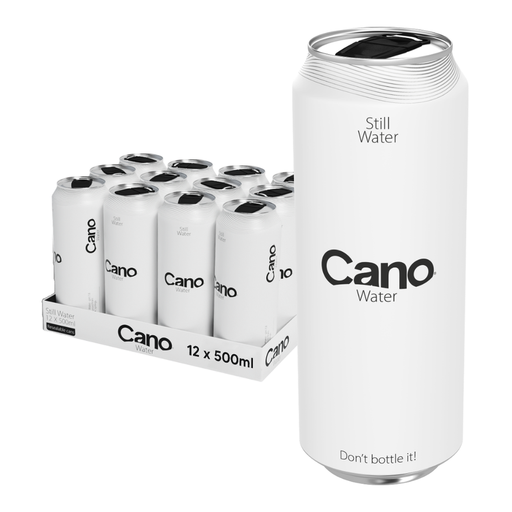
Why This Fits Their Persona: Resealable 500ml cans suit commuting, outdoor use, office storage and events where portability is important and aluminium packaging is preferred.
Its packaging type, resealable format and 12 x 500ml quantity are stated clearly, allowing a direct comparison with plastic bottled water multipacks.
Still natural spring water; resealable 500ml cans; aluminium packaging described as infinitely recyclable.
We have compiled a complete, real-time list of products that fully satisfy these strict selection criteria and UK safety regulations.
It can be, but compare the price per litre and the total number of units. Also consider storage, delivery charges and whether every bottle will be used before its best-before date. Large packs are often more suitable for offices, events and households with predictable demand.
Follow the storage instructions on the packaging. Still flavoured products in the listed range commonly state that they should be refrigerated and consumed within three days after opening, while sparkling water products may specify up to seven days. The label takes priority because instructions vary by product.
Bottled water delivery can be convenient when regular stock is difficult to carry, but check delivery coverage, minimum order values, delivery fees and the storage space required. For occasional use, ordering a suitable multipack alongside other household goods may be more practical.